
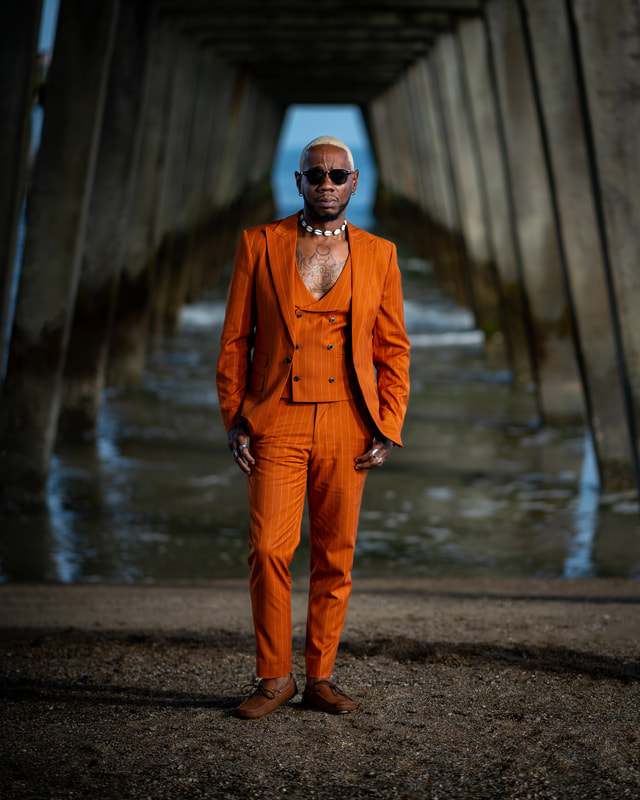
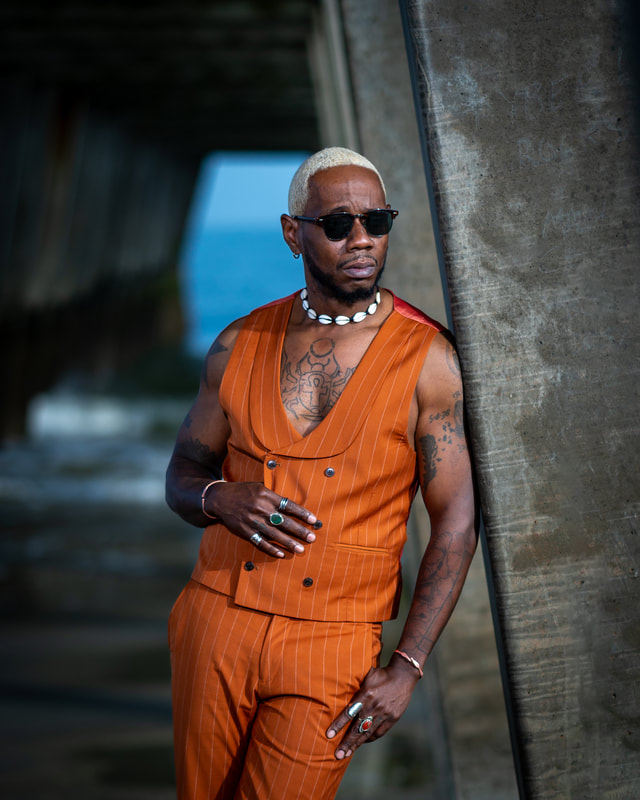
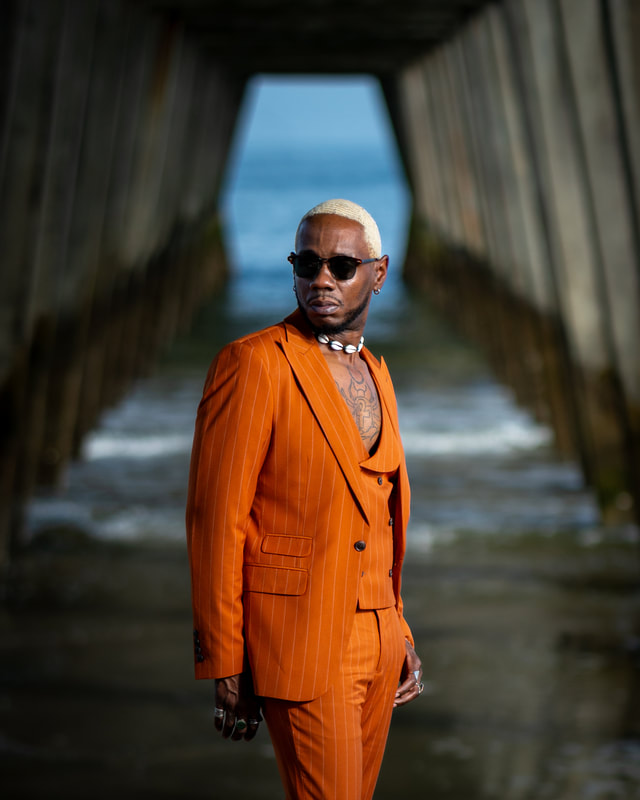
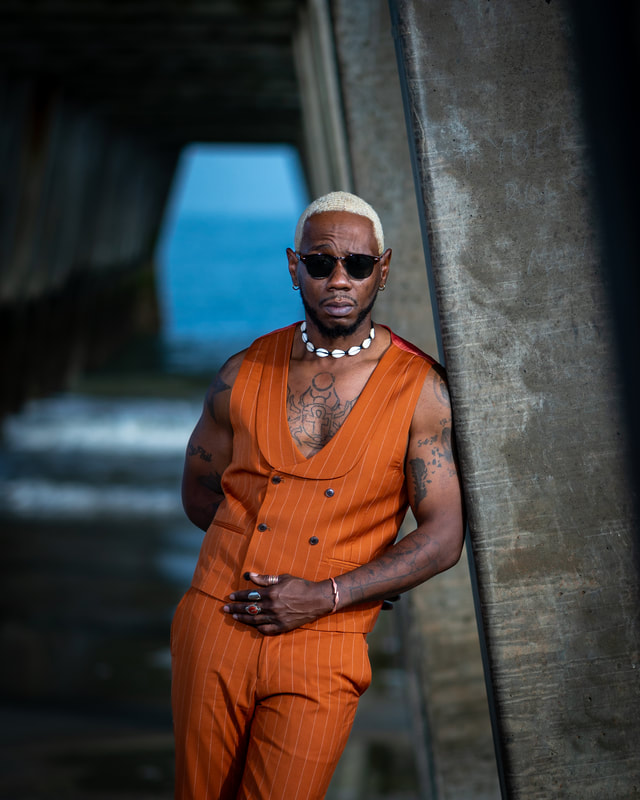
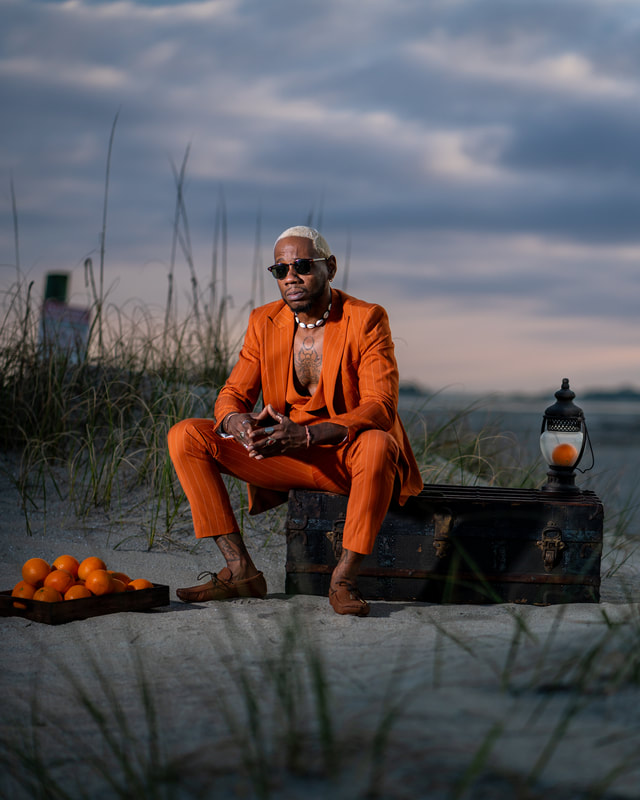
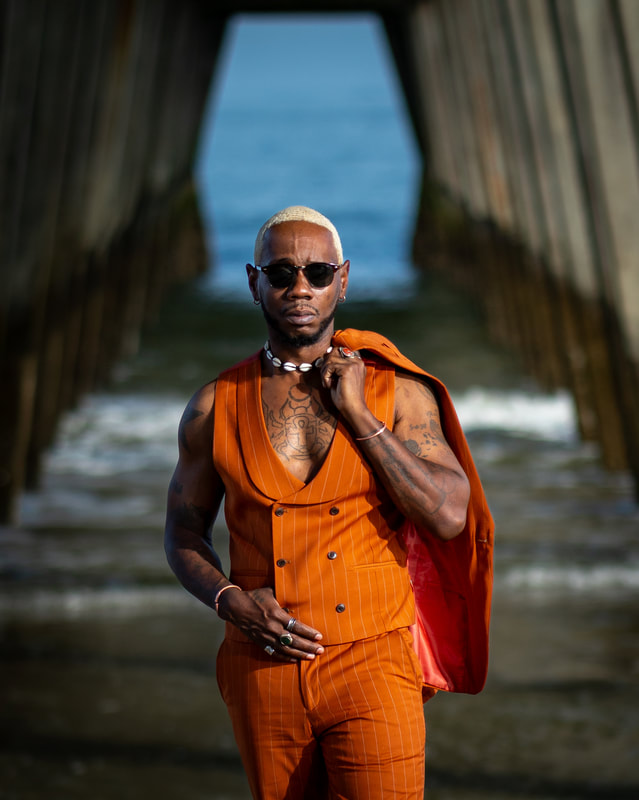
Phil Beach is an amazing artist, writing and poet. I have photographed Phil many times and we just connect!!! This photo session was to create social media marketing materials and Album Cover Art for his new music album entitled, "Vitamin Sea!" With the titled album of "Vitamin Sea," Phil definitely wanted to hold the photo session at the beach. Tybee Island Beach is a great location with a variety of looks. As you can see in the images, we utilized the Tybee Island Beach Pier, beachfront, and even brought some fun props we incorporated into the images. Phil wore his new orange tailored three-piece suit and we created magic on the beach! It was a busy beach day, but we waited out a few image captures and used angles to our advantage to avoid people in the background. Creating is a collaborative process and we really clicked with how and where we wanted to use props into his "Vitamin Sea" themed photo session. Phil and I have such a relationship that we throw out ideas and we either run with it or ask what else we could do. There are no bad ideas, because one idea leads you onto another idea path and so on and so on. Thus, no bad ideas. You may not run with one idea, but the path to get there came through multiple reiterations of ideas. This creative collaboration process just works and the results are spectacular! Phil Beach is a recording artist, writer, and poet. He can be found online at www.itsphilbeach.com and on Instagram as @itsphilbeach. You can listen to his music on all platforms like Apple Music, Spotify, and deezer. David Turner of Flash Factor Photography is Savannah's portrait photographer and can be found online at www.flashfactorphotography.com and on Instagram at @flashfactorphotography. Reach out to schedule your photography session today!
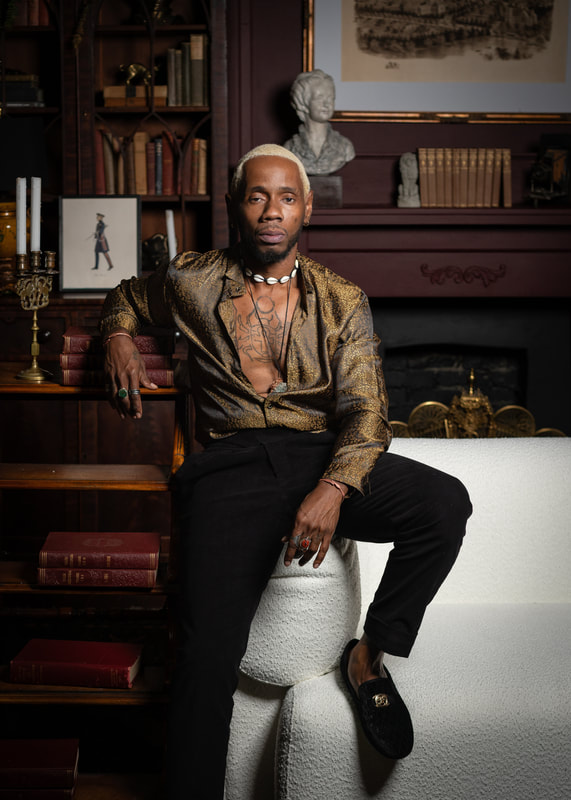
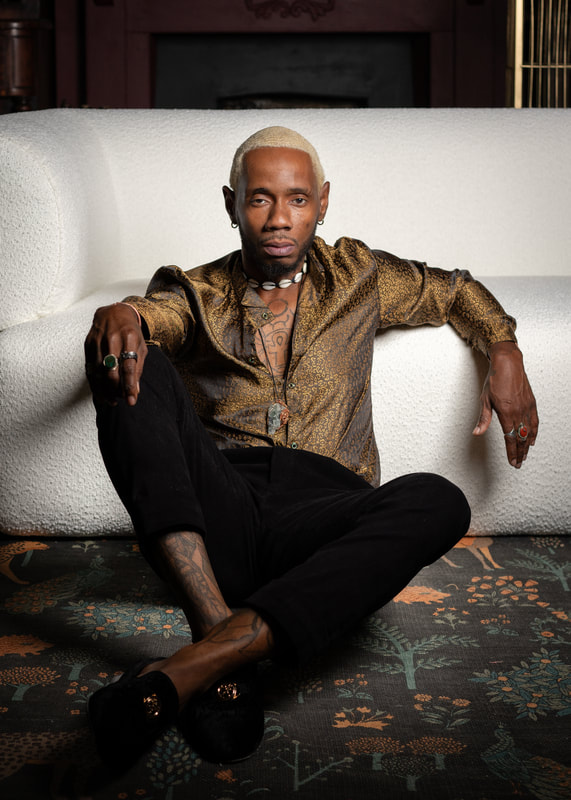
As a photographer, you meet and work with so many different people over the years. Just like in life, I guess, you sometimes connect with a person and every once in a while you REALLY CONNECT with a person. Phil, is one of those people where we instantly connected. It's one of those relationships where you feel like you've known the person for years. I actually met Phil Beach at a local Savannah, GA photography event. Phil is a recording artist, writer, and poet. He can be found online at www.itsphilbeach.com where you can listen to some of his music. I've had the privilege of photographing Phil many times now in-studio and on-location at Tybee Island Beach. Let me just say that each instance has produced some stellar images! Phil used the image of him sitting on the floor as his song cover release artwork for "Exquisite" which is an amazing feeling and honor!
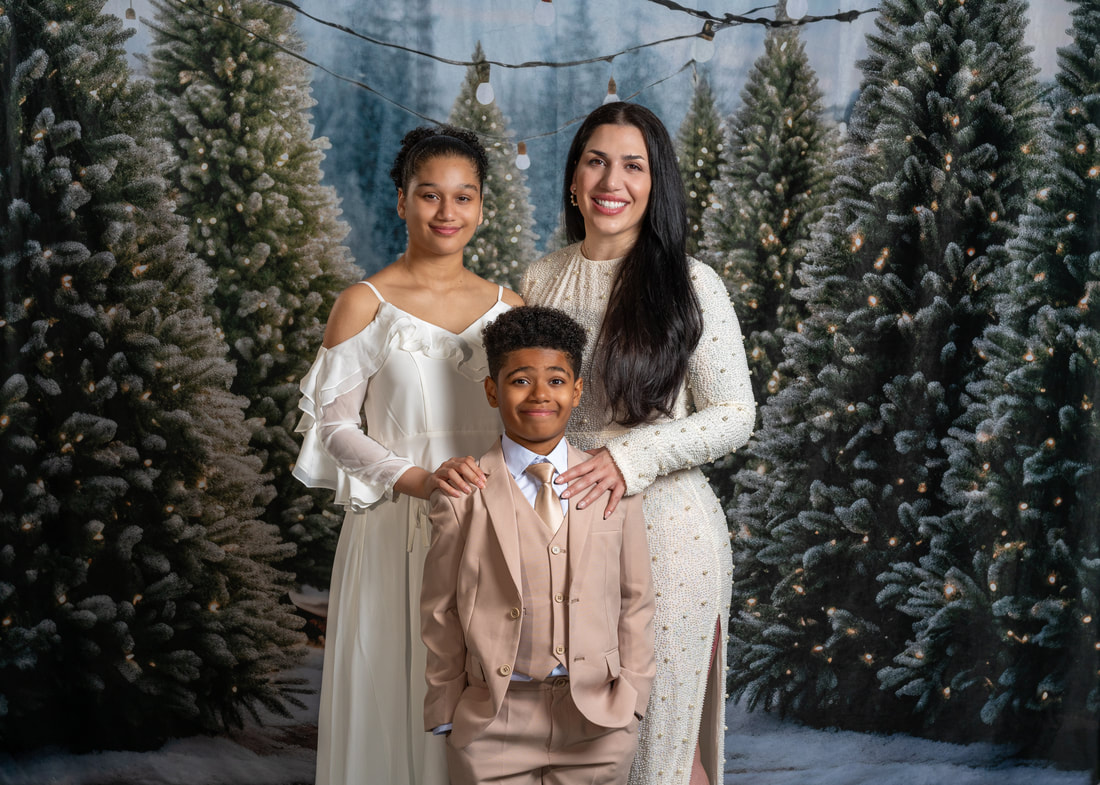
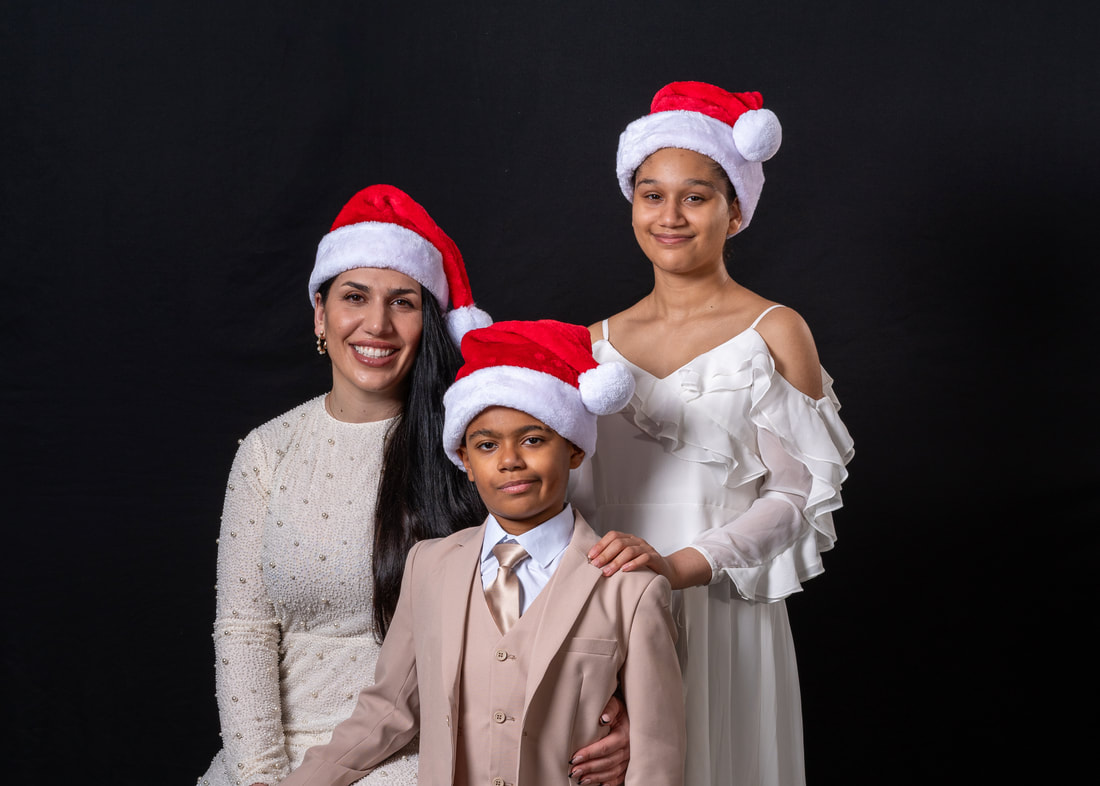
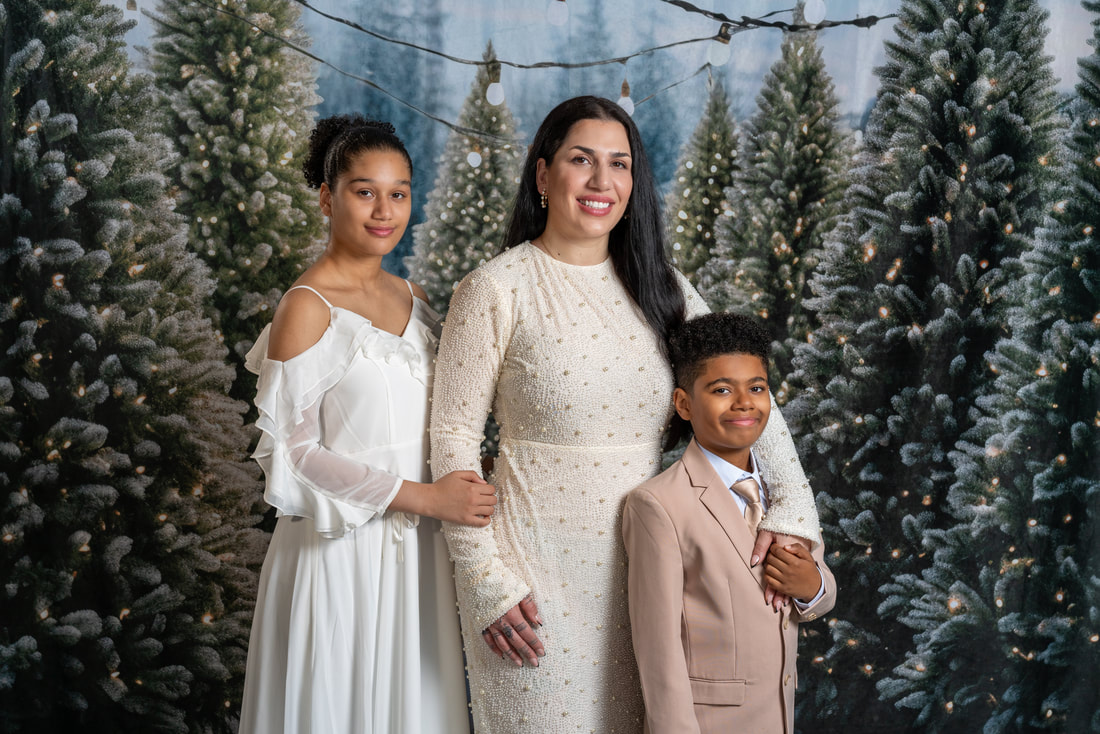
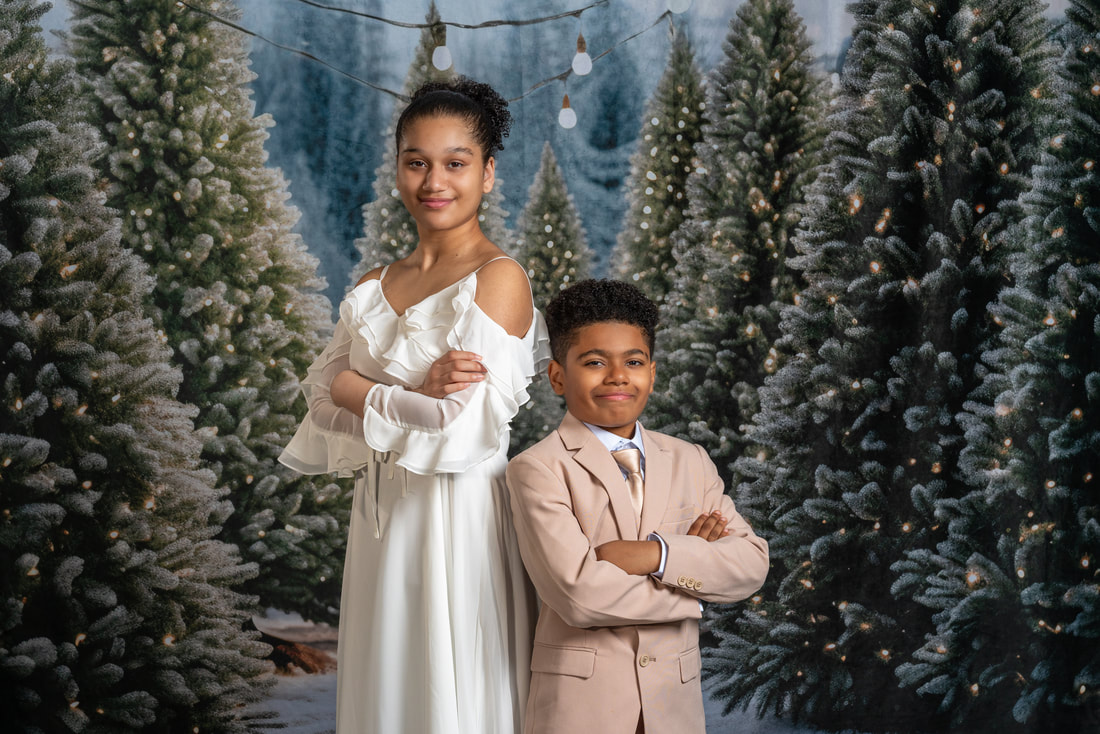
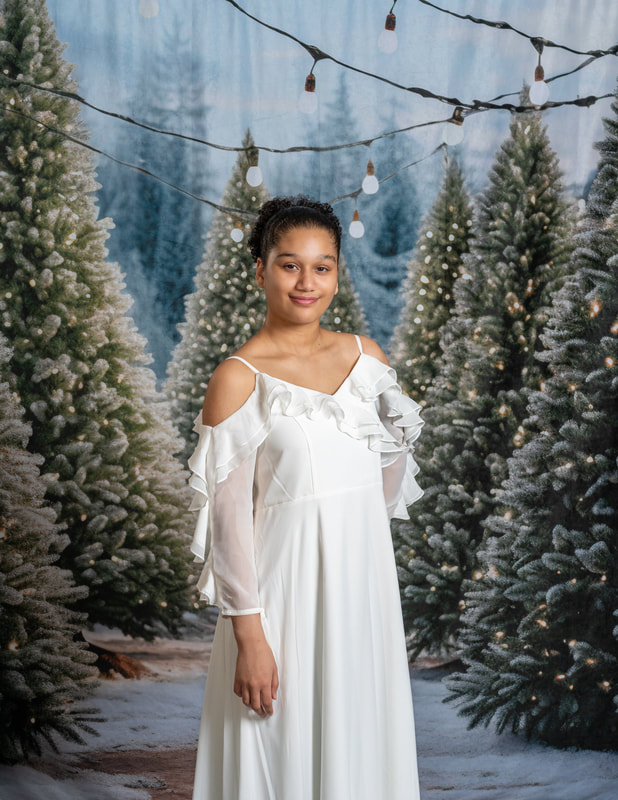
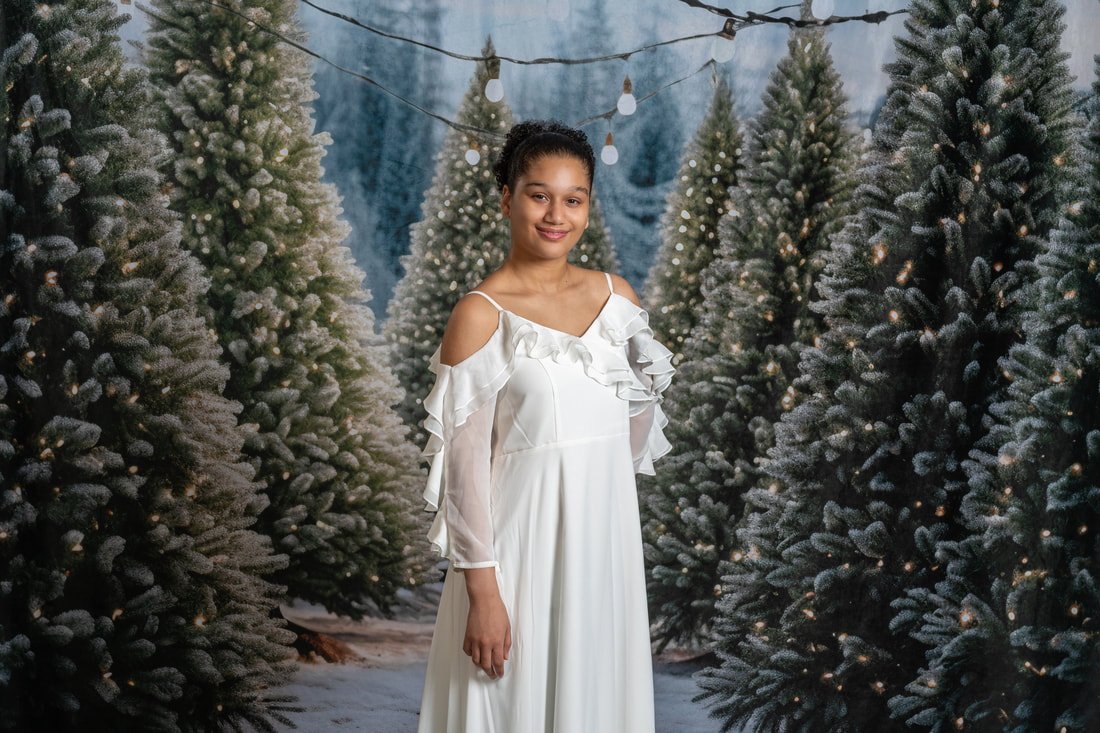
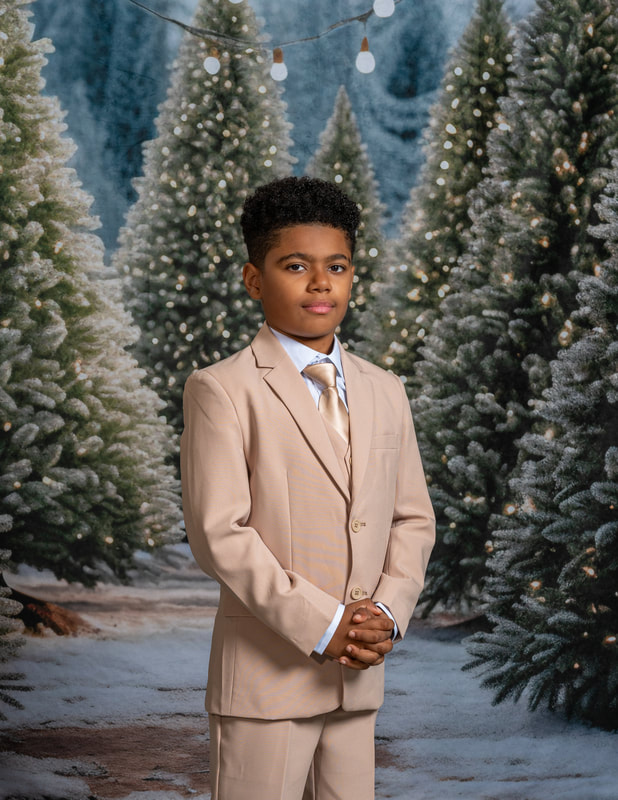
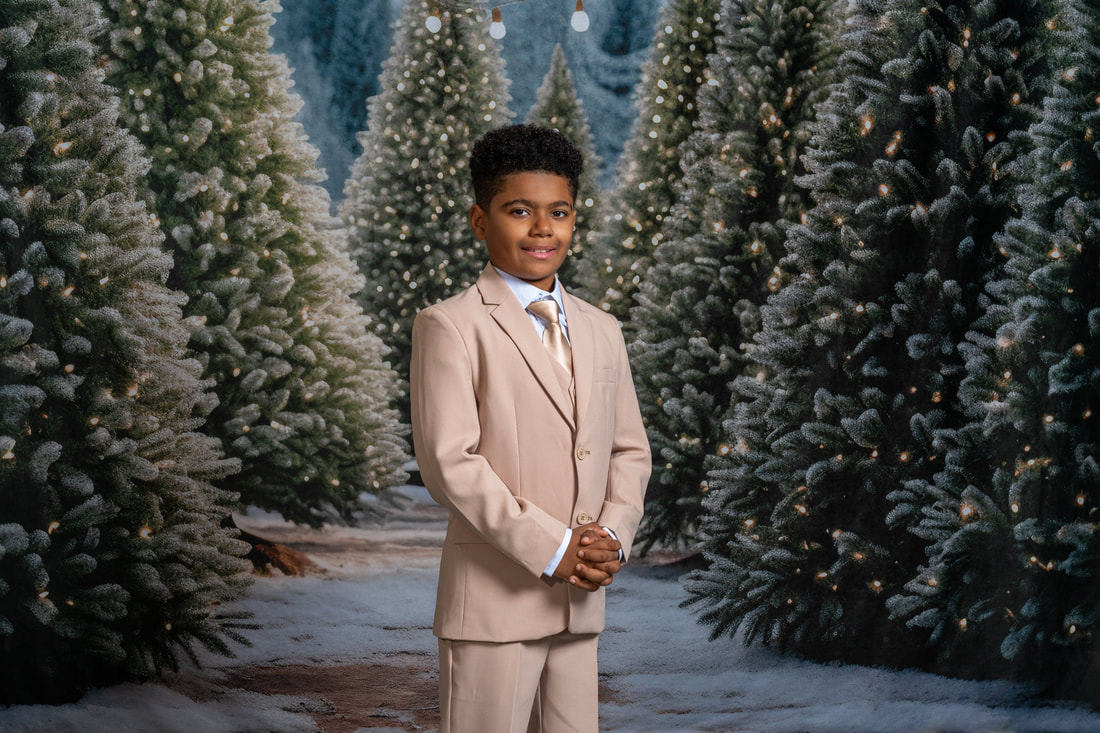
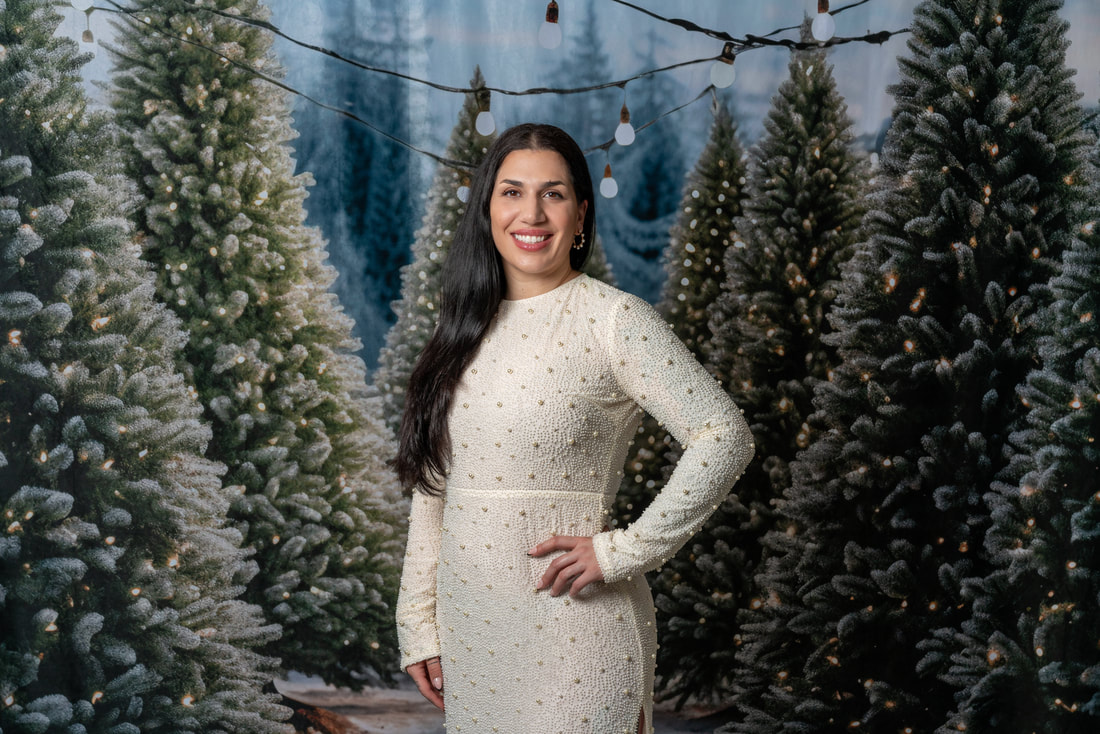
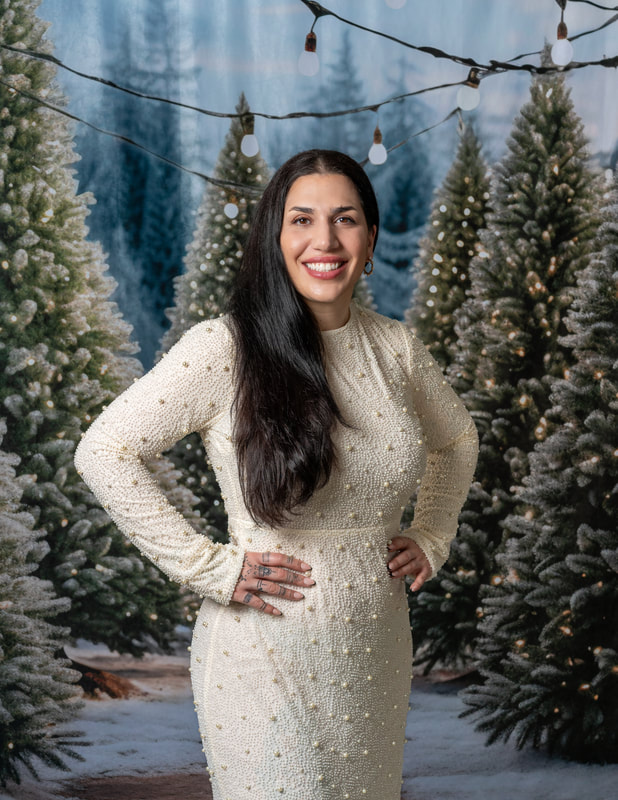
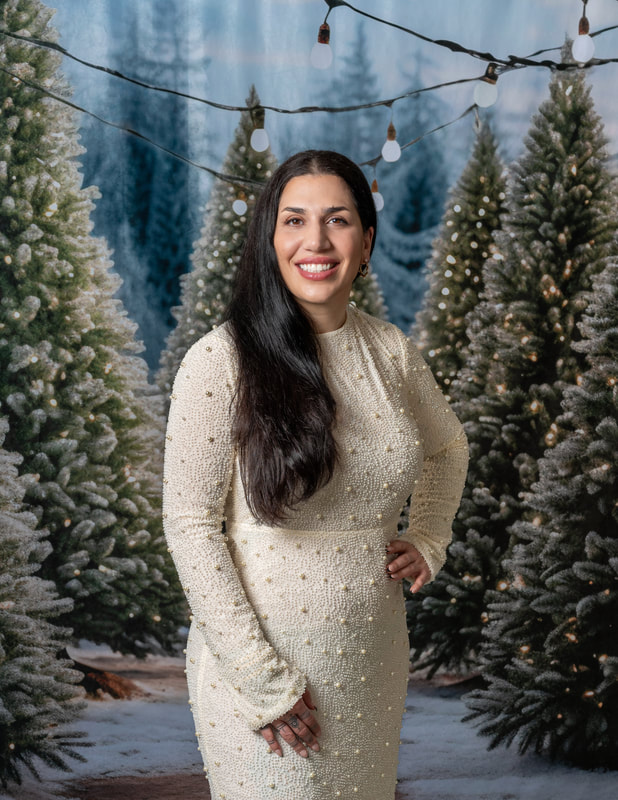
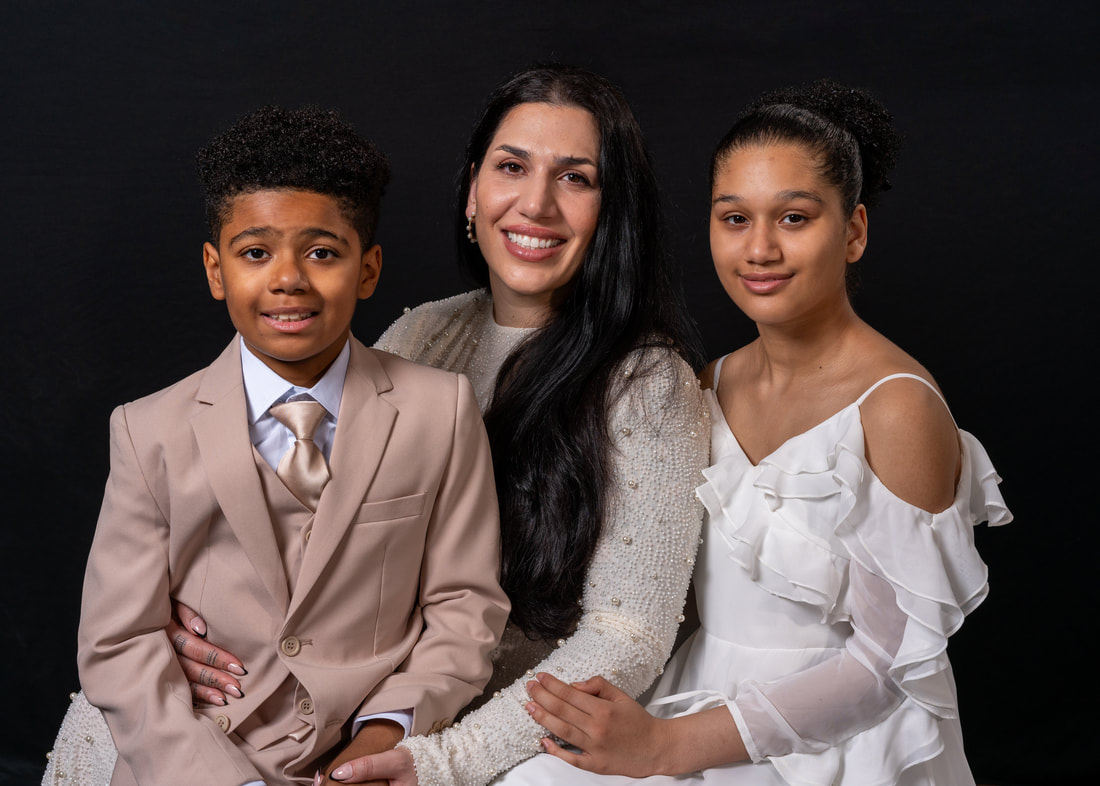
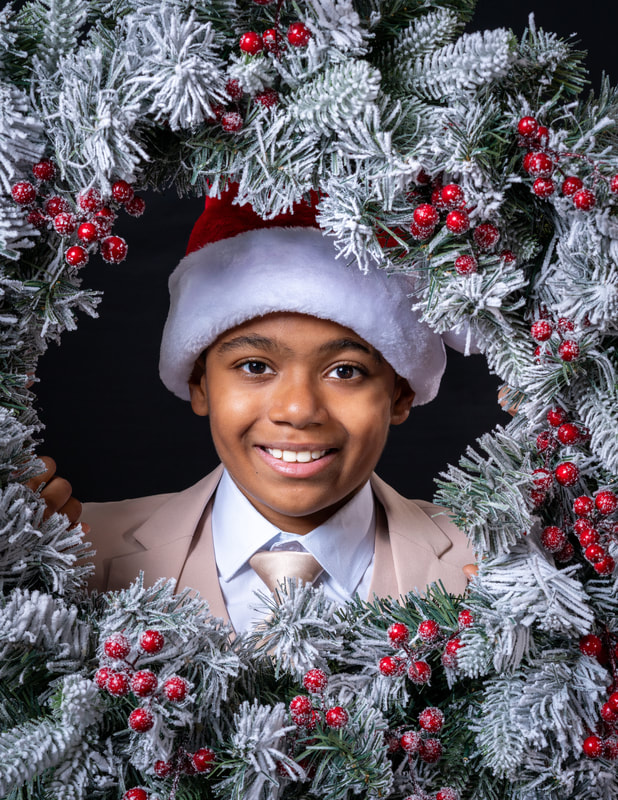
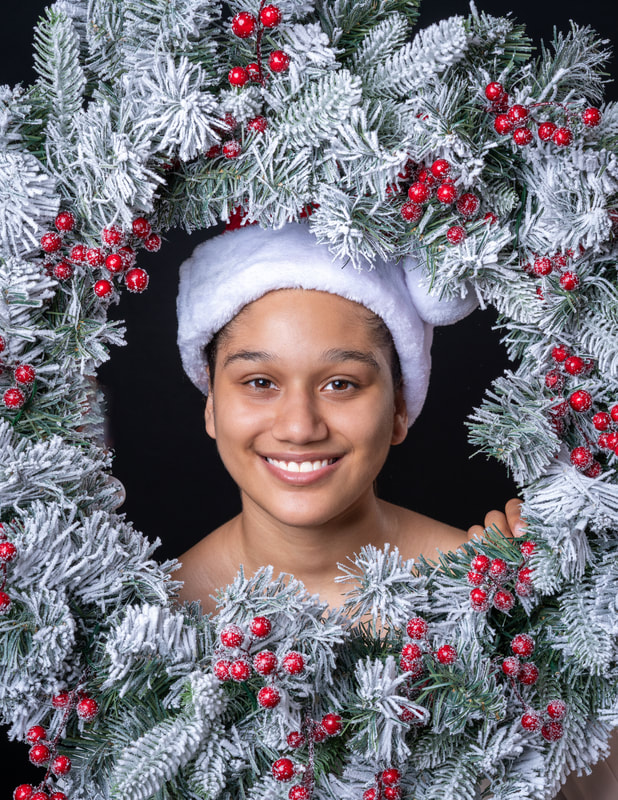
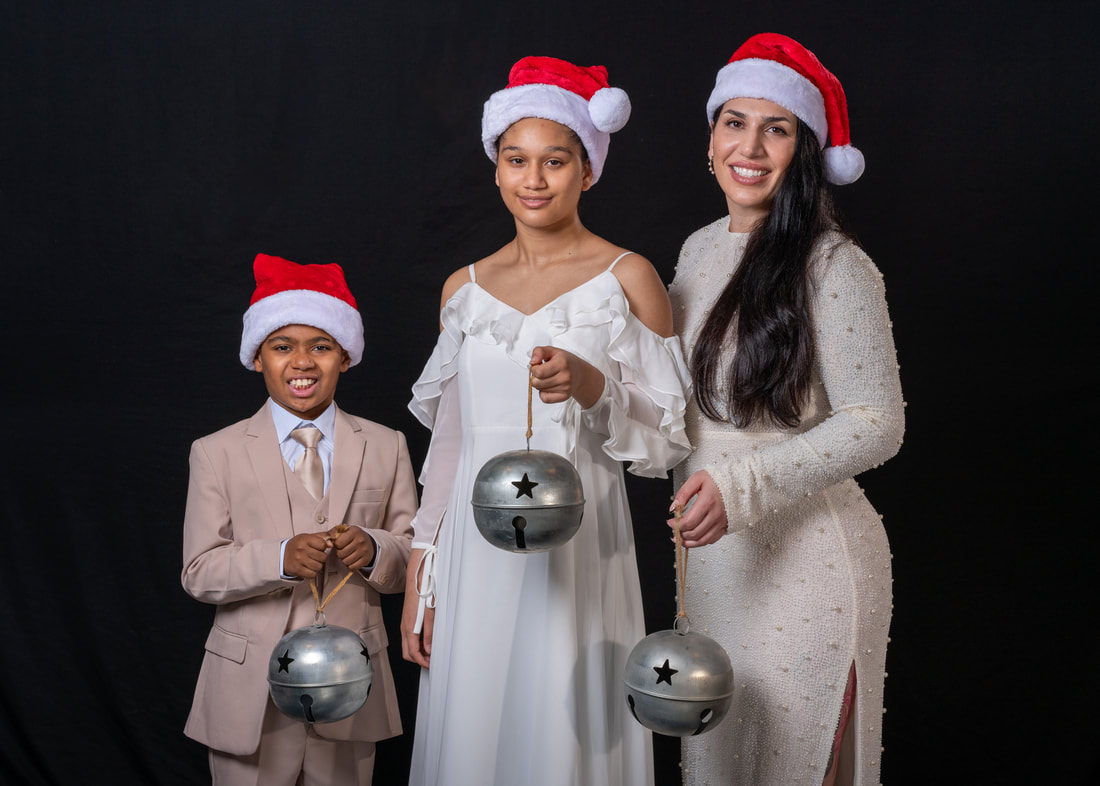
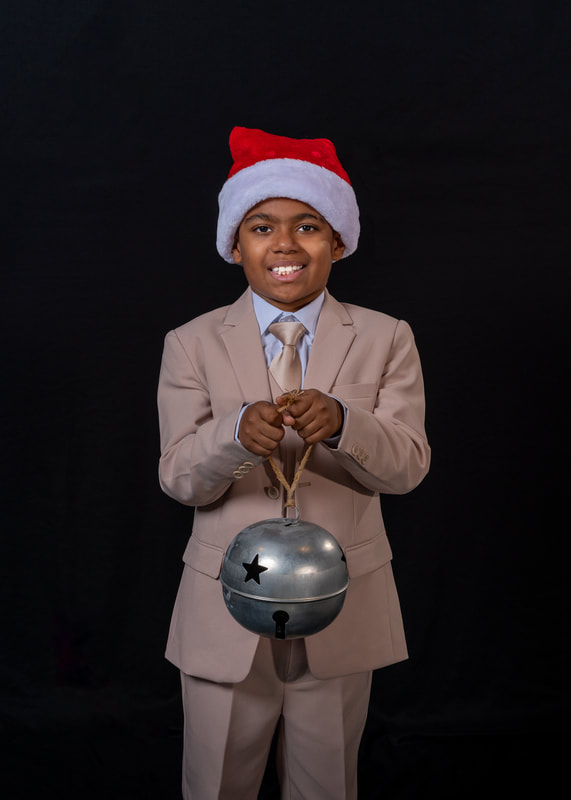
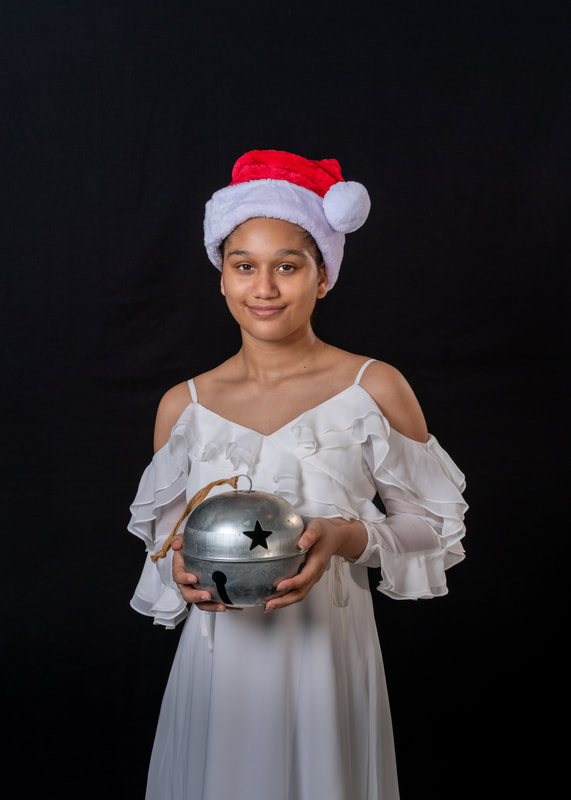
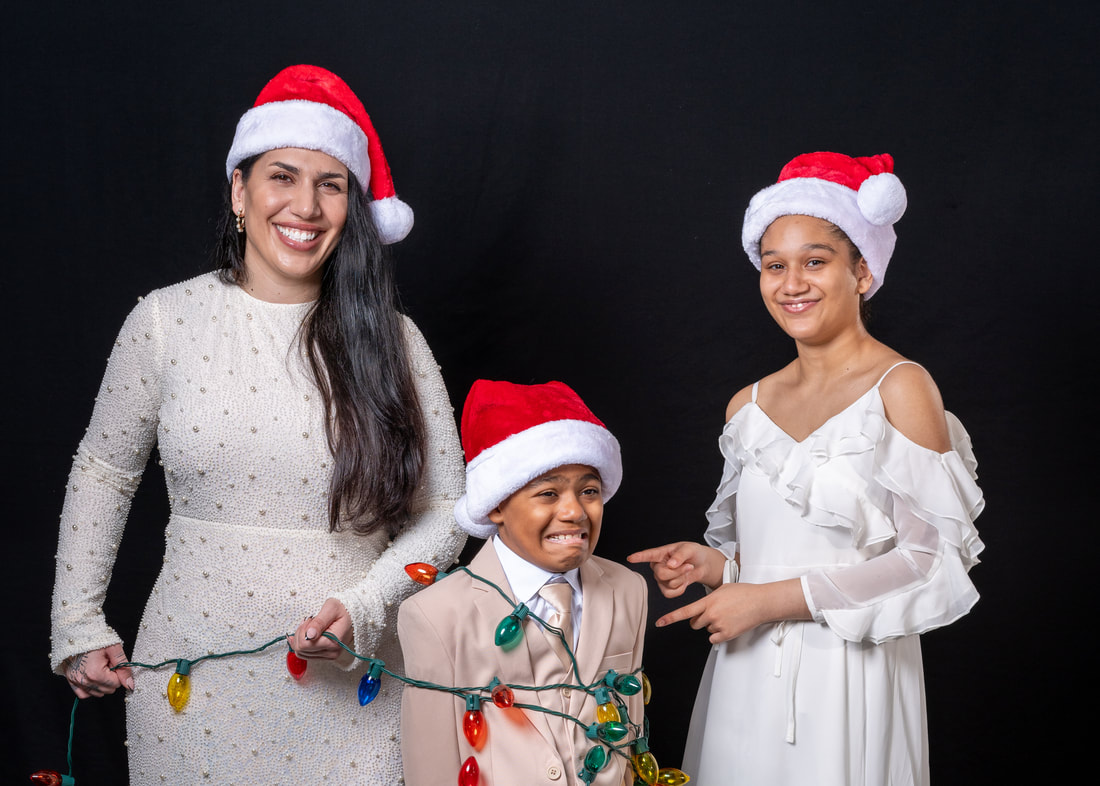
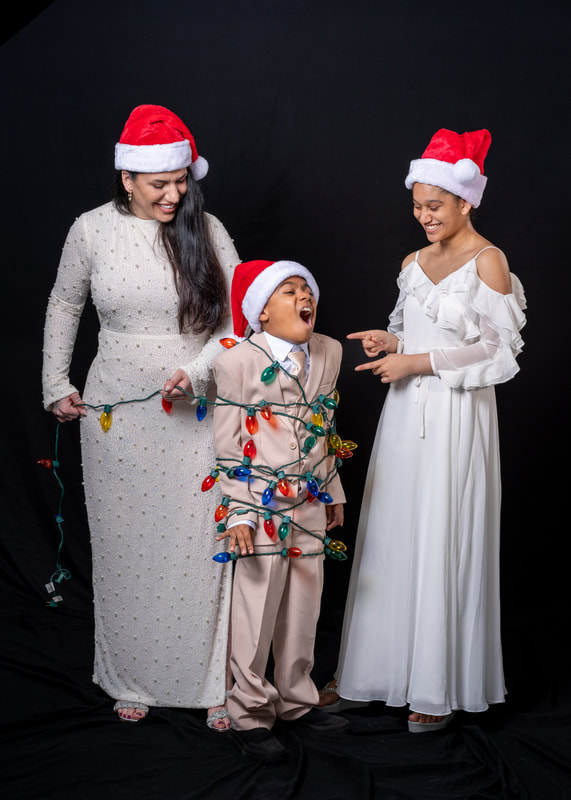
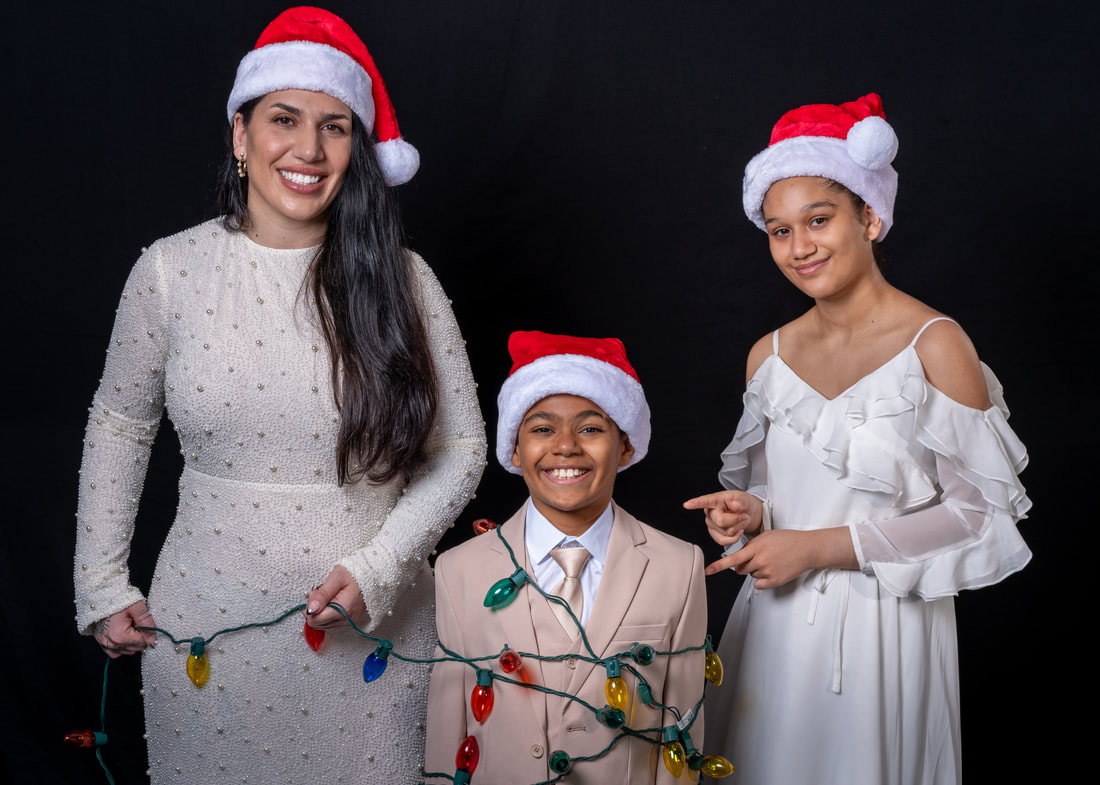
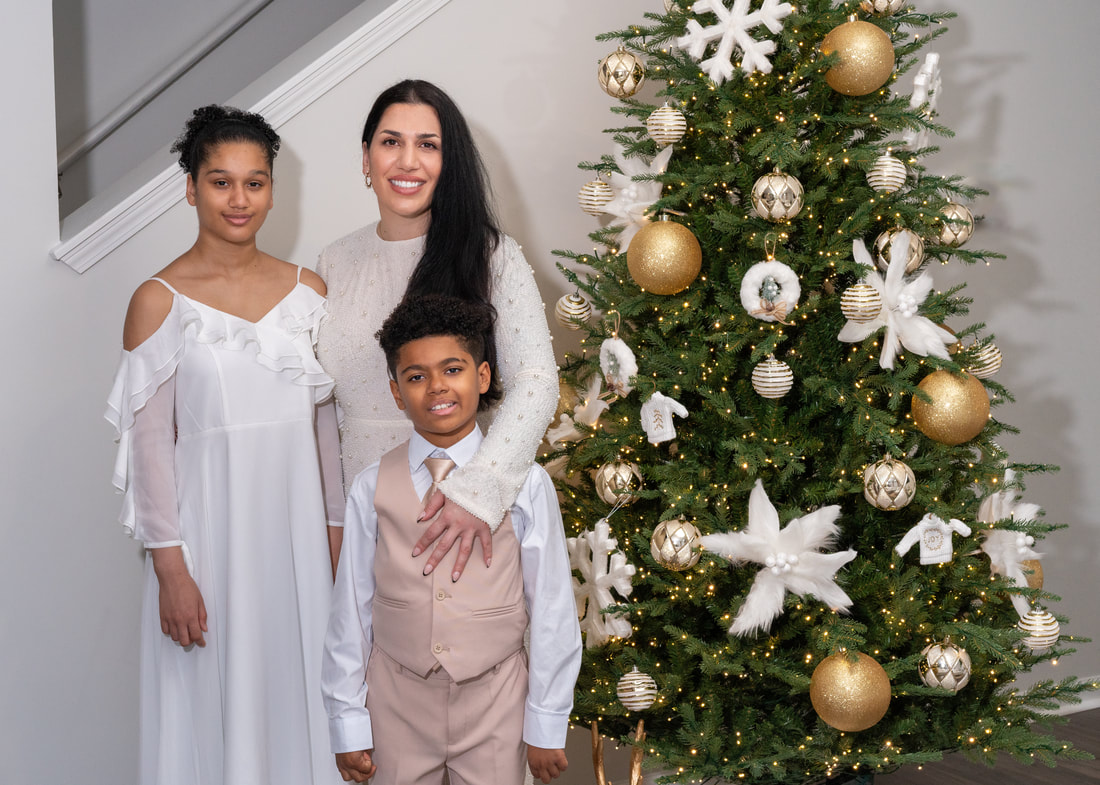
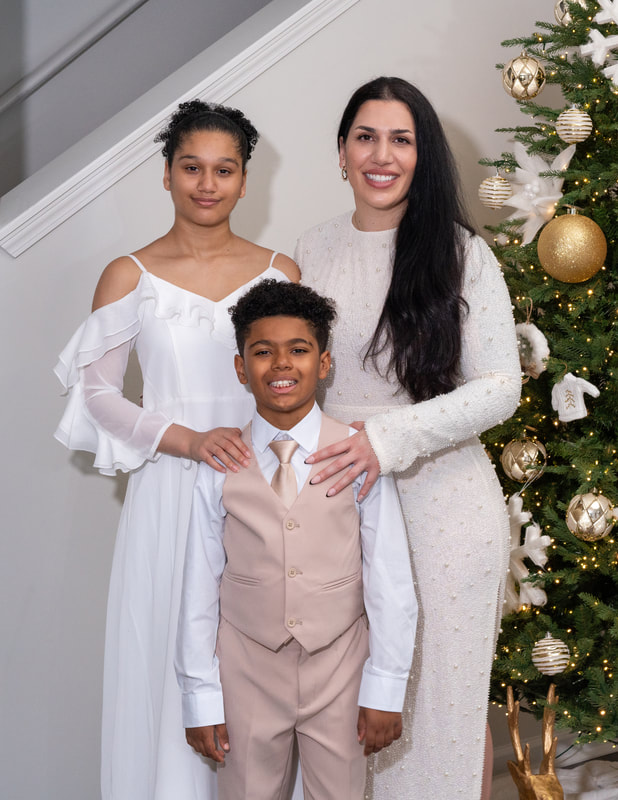
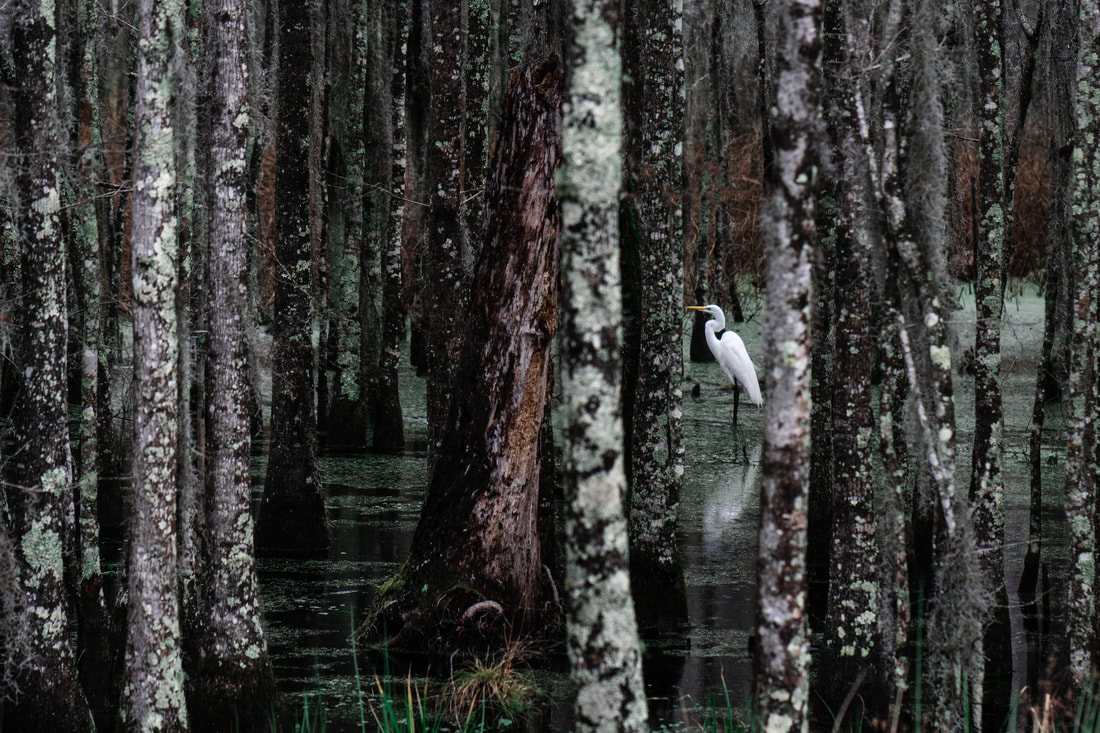
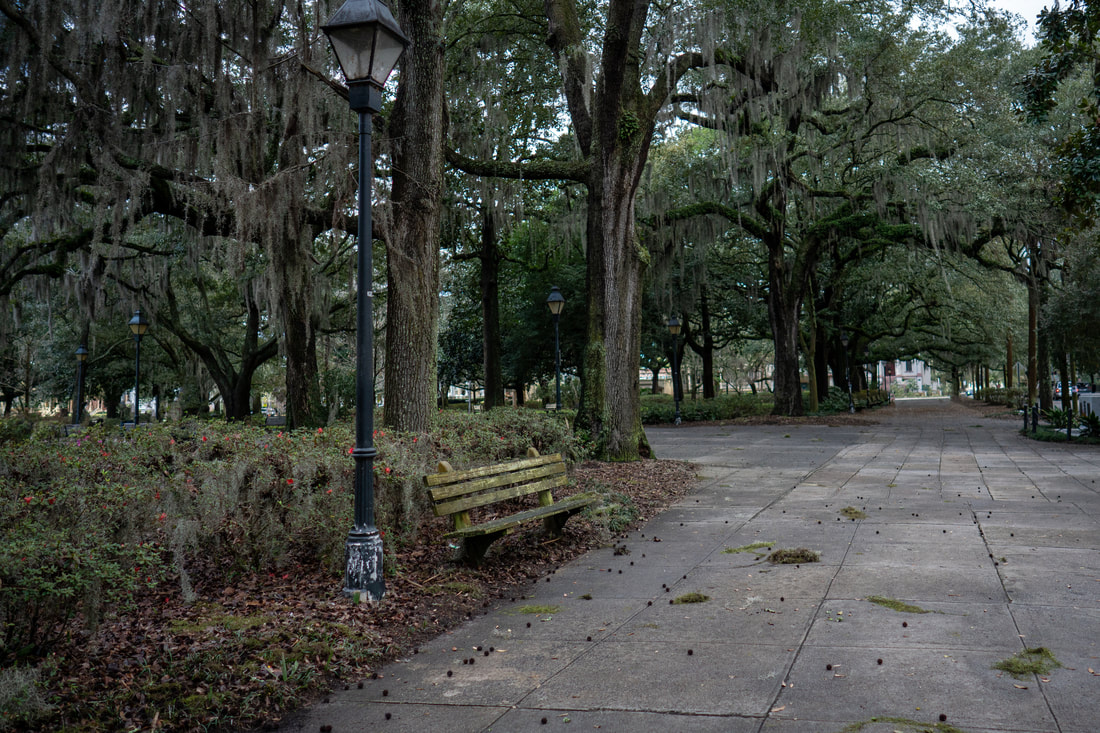
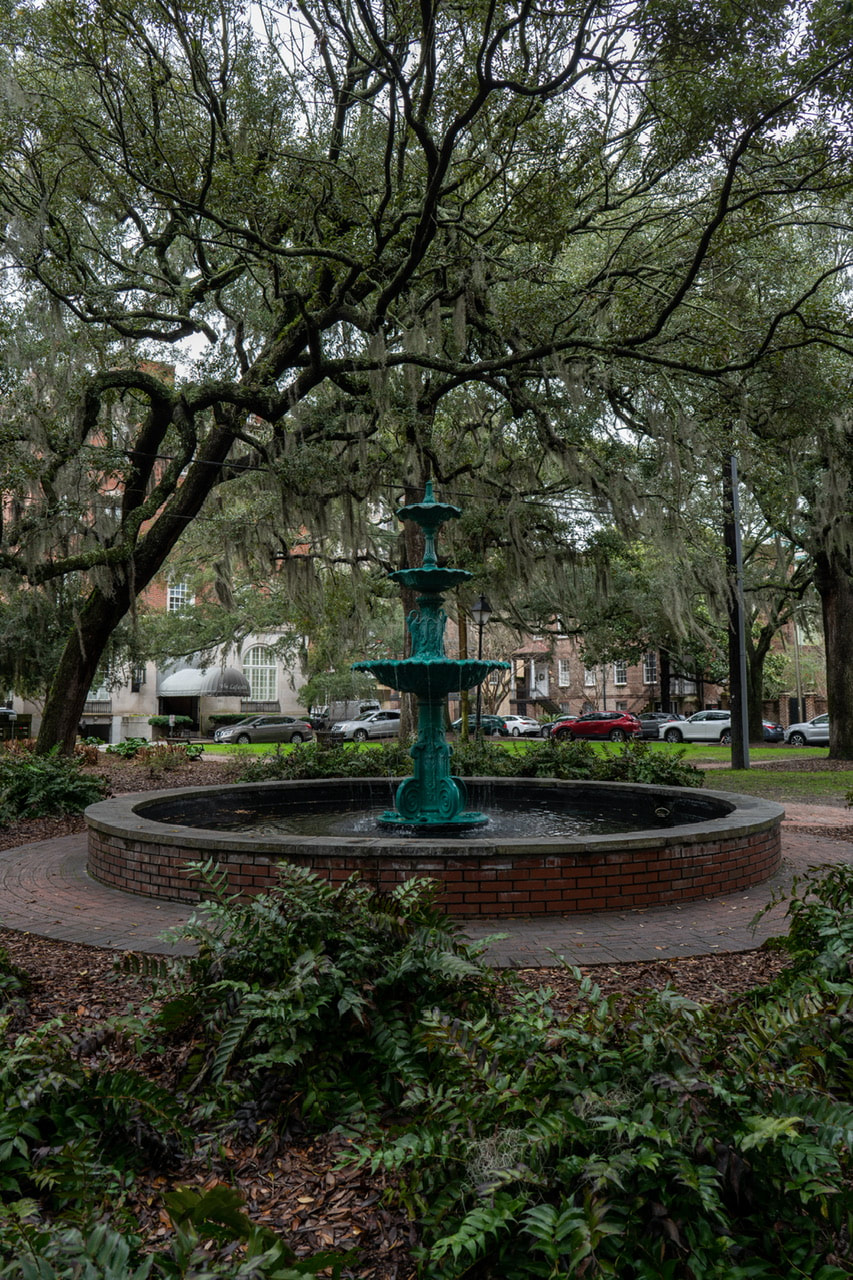
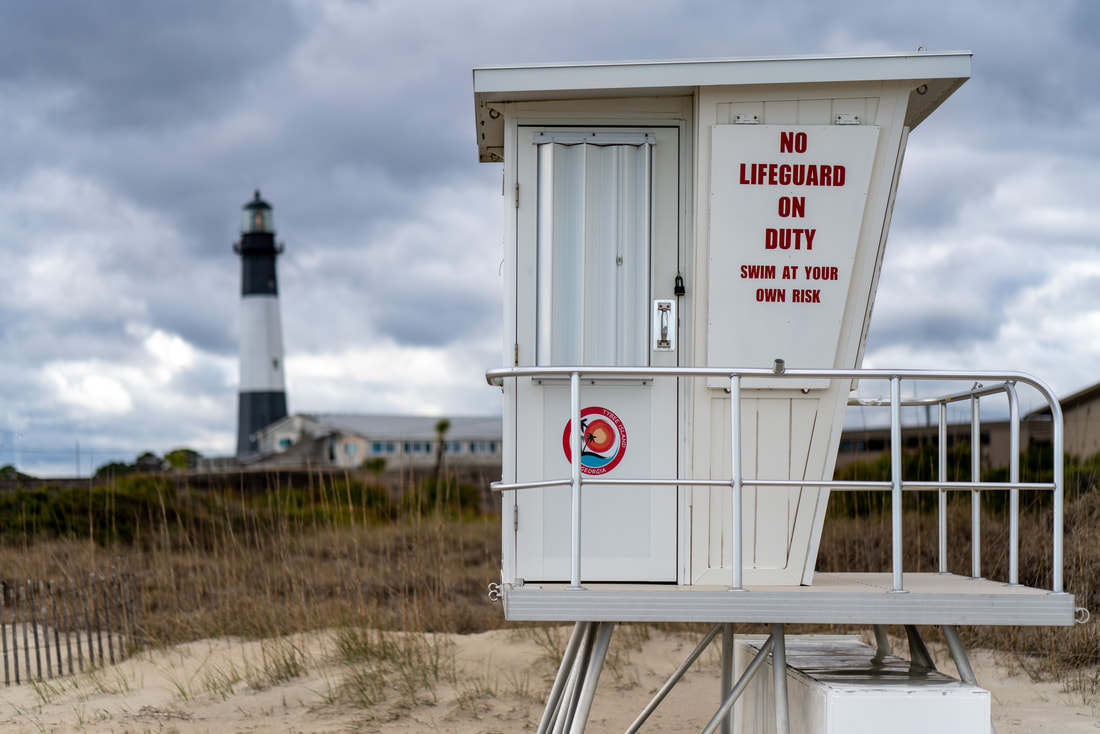
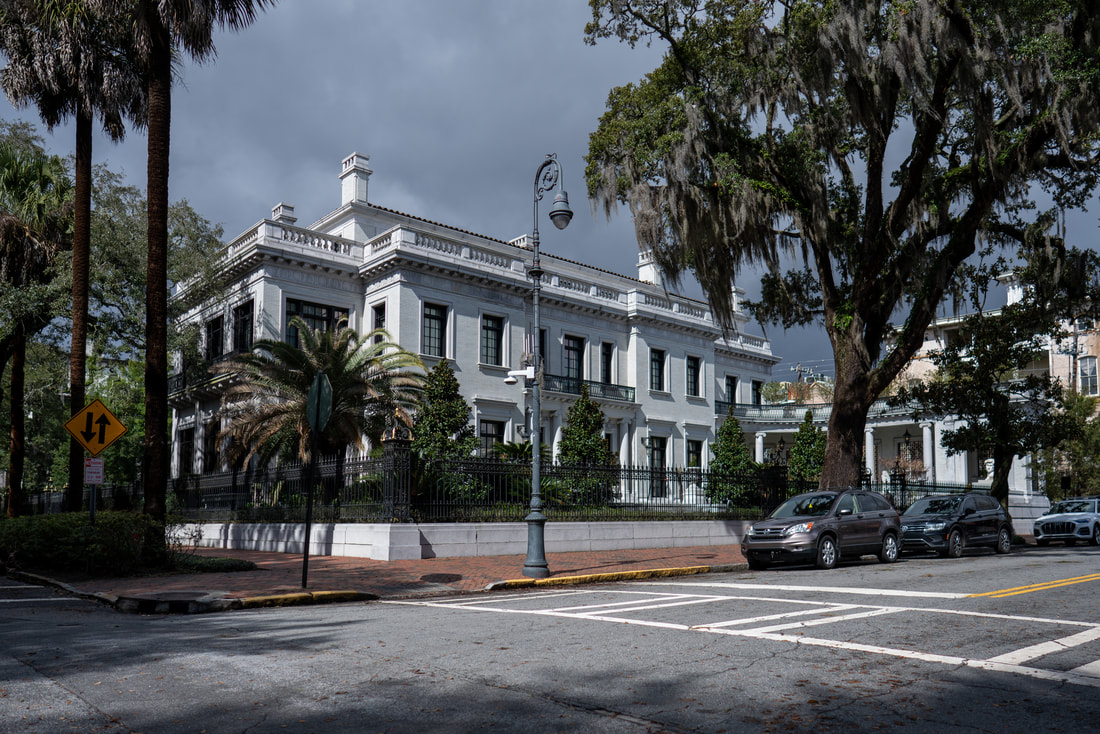
Christmas photos don’t have to be a daunting task. Misha reached out saying she wanted a fun Christmas photo session with her two children who don’t like to be photographed. I explained as a professional photographer in Savannah we could knock it out quickly and I would direct the posing and capture some great smiles and deliver keepsake images she would treasure! This is why working with a professional photographer can make all the difference in simply working with just someone with a camera. Families and young children can be tough at times keeping everyone engaged and using poses that not only work but look great! I was able to navigate the family through their photo session using multiple backdrops, lighting techniques and use of some fun Christmas props. Here's Misha's quote after seeing her family's images: "I am in LOVE with these pictures and David exceeded my expectations! This was a great experience and you made it so easy. My kids dread taking pictures, but you made it fun for them, which made it stress free for me! Now I have gorgeous pictures to cherish, thank you so much David!" - Misha M. (Family Portrait Photography) I think the photos are proof enough showing we had a fun time with laughs and smiles! Reach out to get your Savannah family photo session scheduled today - General Contact Inquiry! Flash Factor Photography is excited to announce a relocation move to Savannah, GA. The relocation to Savannah in the next 4-6 weeks will allow me to photograph year round with less of a slow winter (down) season. It will also allow me to incorporate the historic Savannah architecture/urban setting, Savannah waterways, and Tybee Island beach setting into photography to offer a wide array of scenery for your photo session locations which further enhances the unique Flash Factor Photography experience. With this announcement if you/your family has wanted a Flash Factor Photography photo session but you haven’t acted on it to schedule there’s still time to do so. Flash Factor Photography still has some open session day/times through the end of April 2023 to get your session in before the move takes place. I am excited for the move to Savannah and what the future holds for me, my family and Flash Factor Photography! Below you will find some images I took in Savannah, Georgia on a recent scouting trip!
As 2022 comes to an end...a reflection of behind the scenes (BTS) of Flash Factor Photography12/13/2022
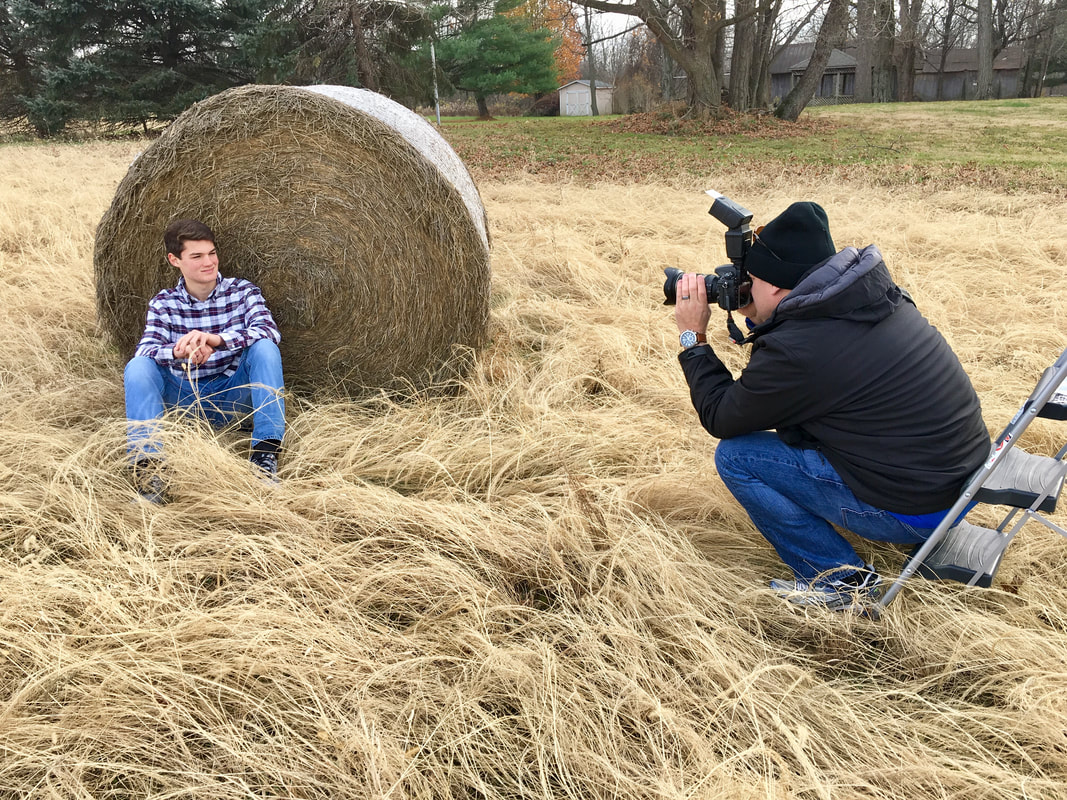
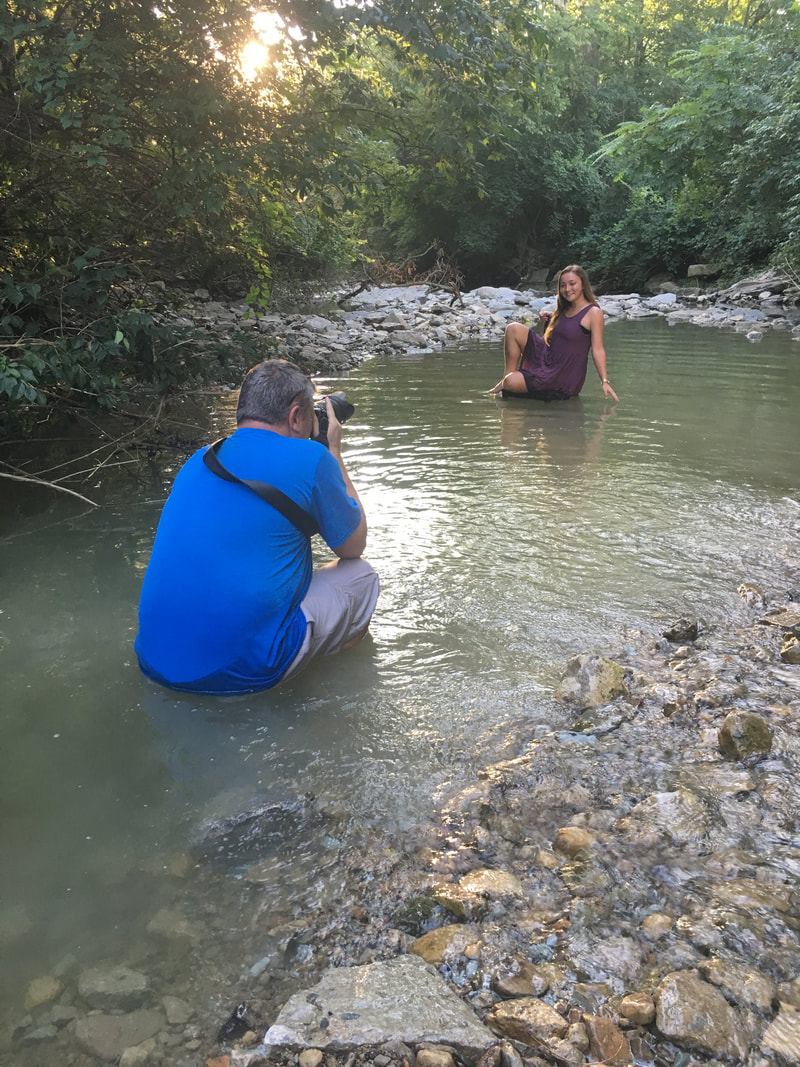
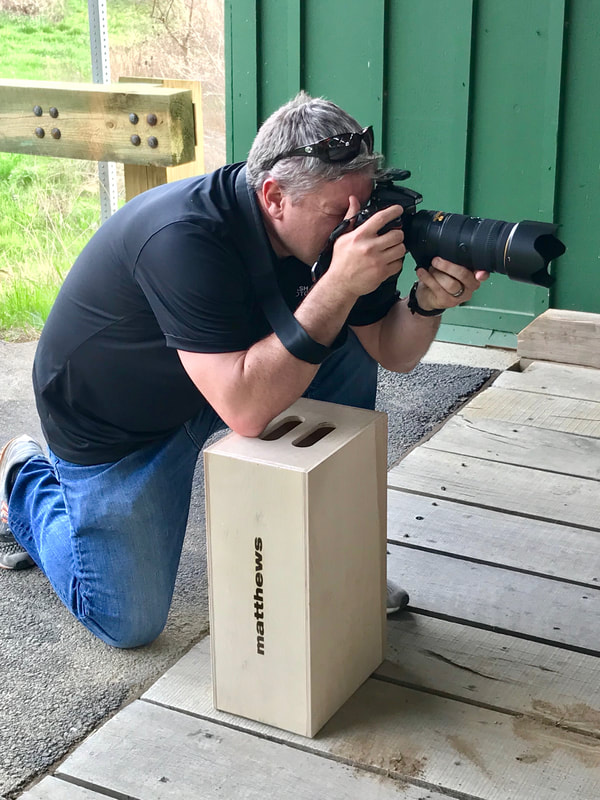
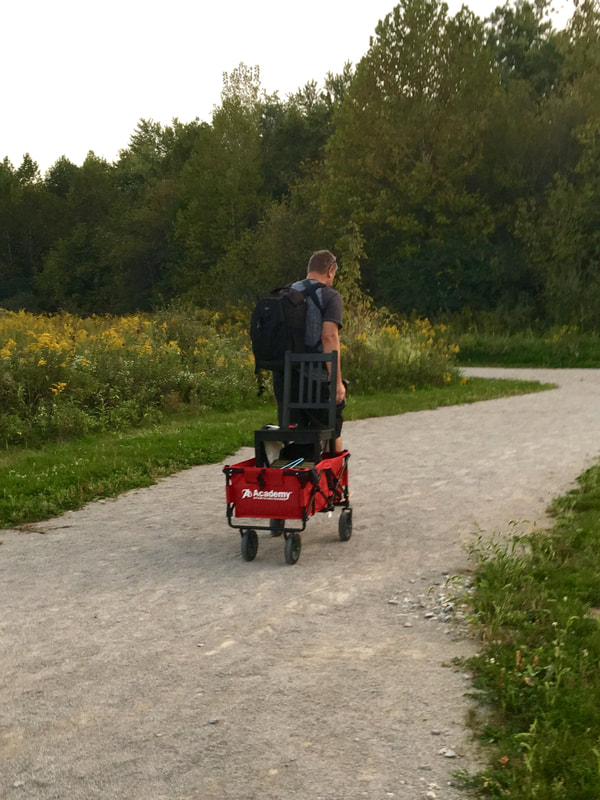
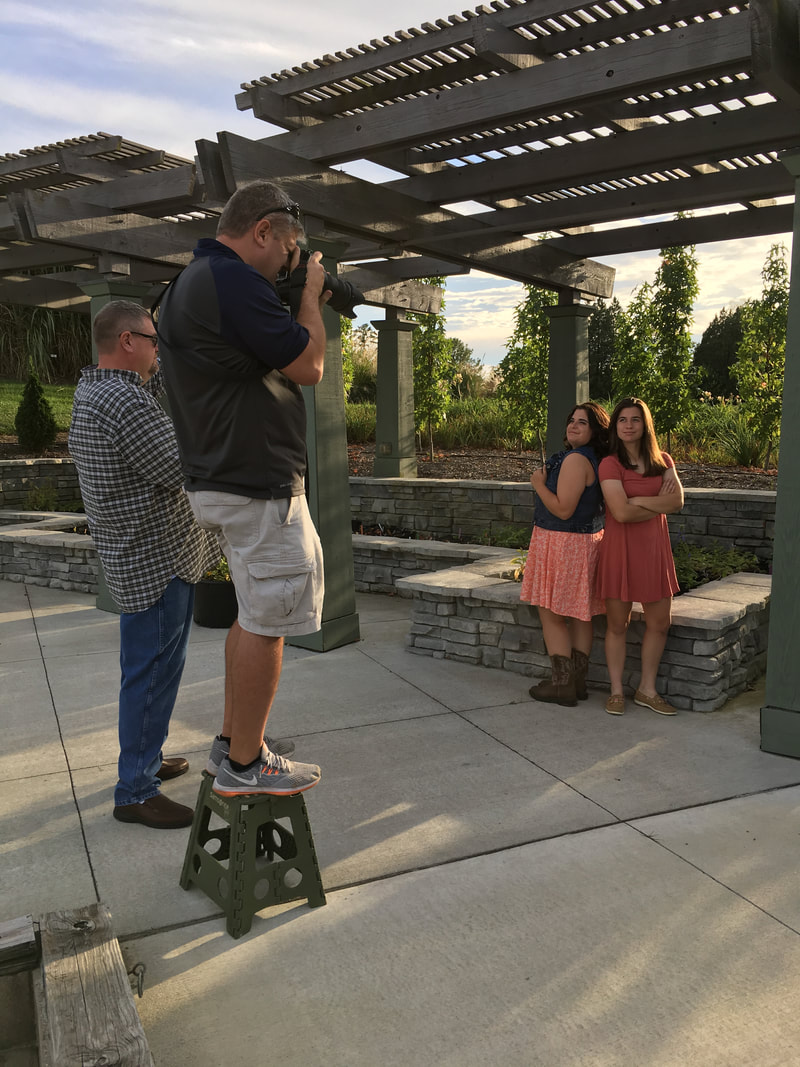
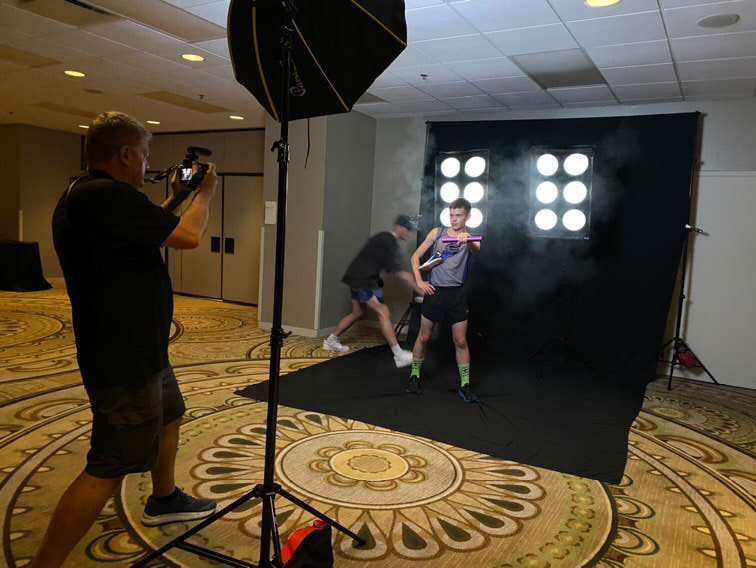
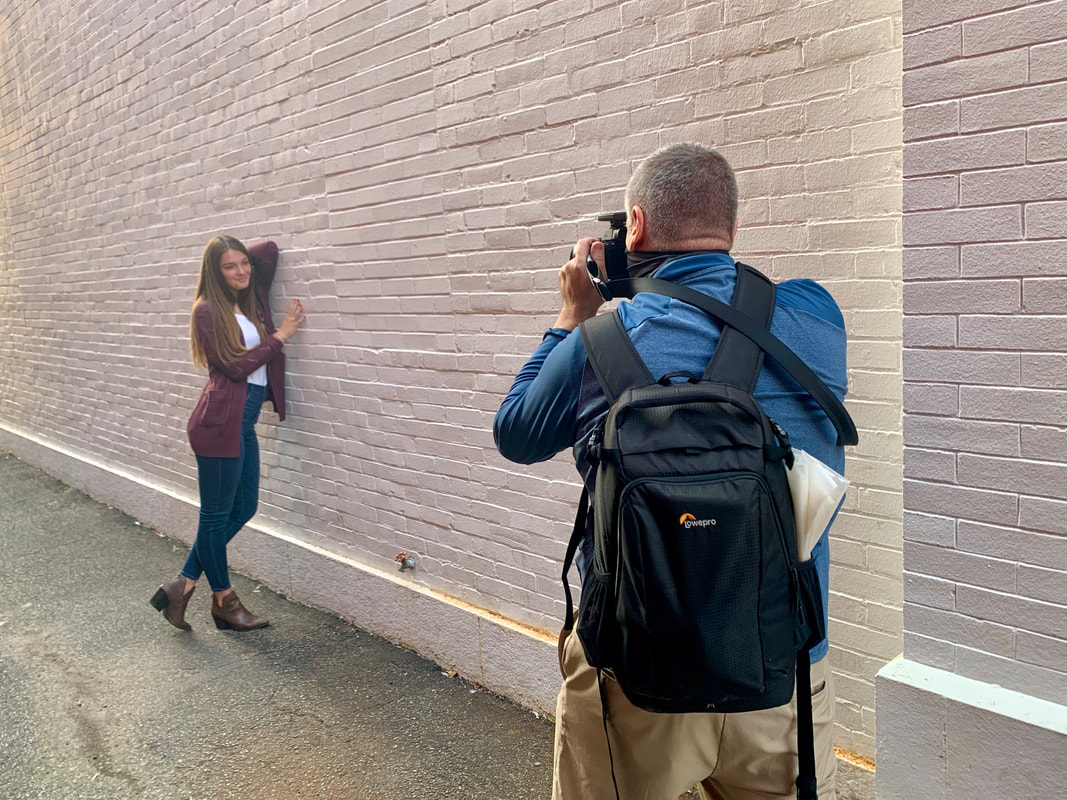
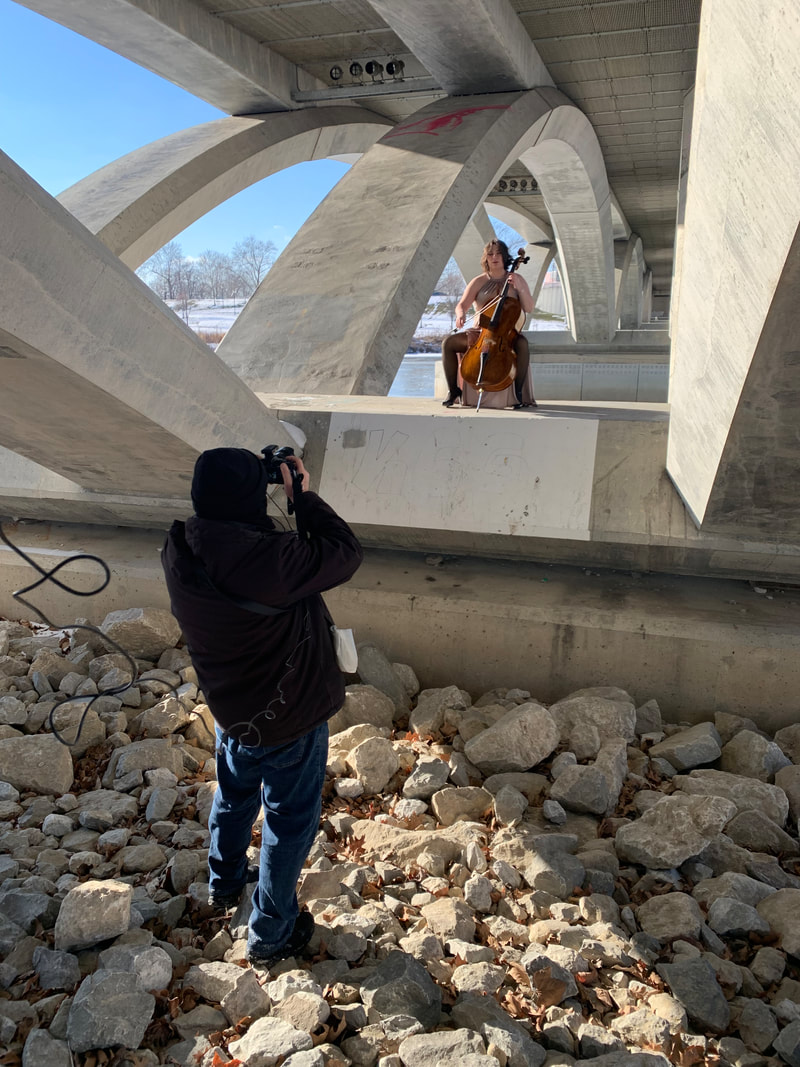
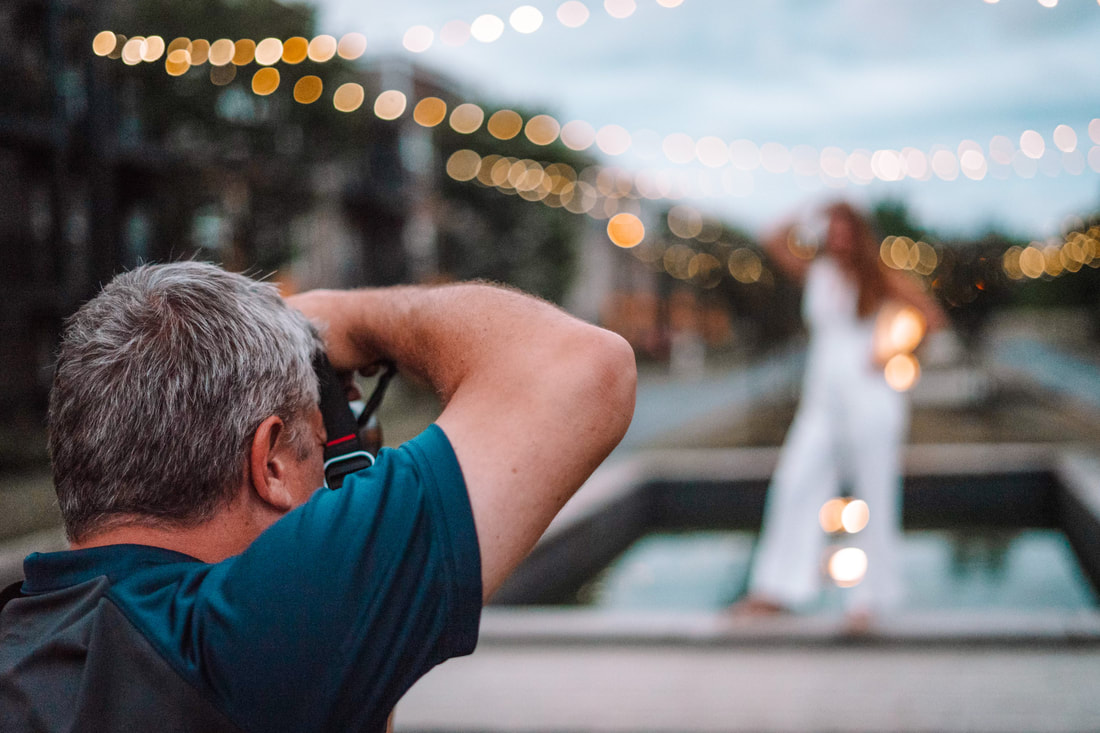
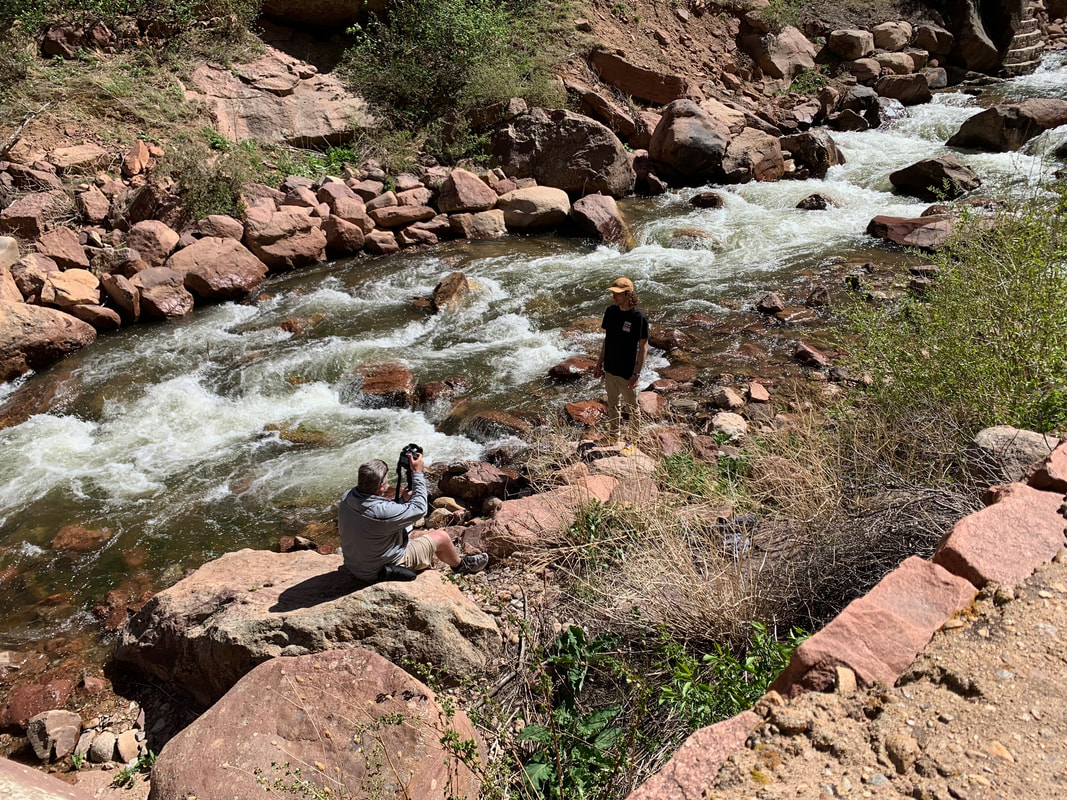
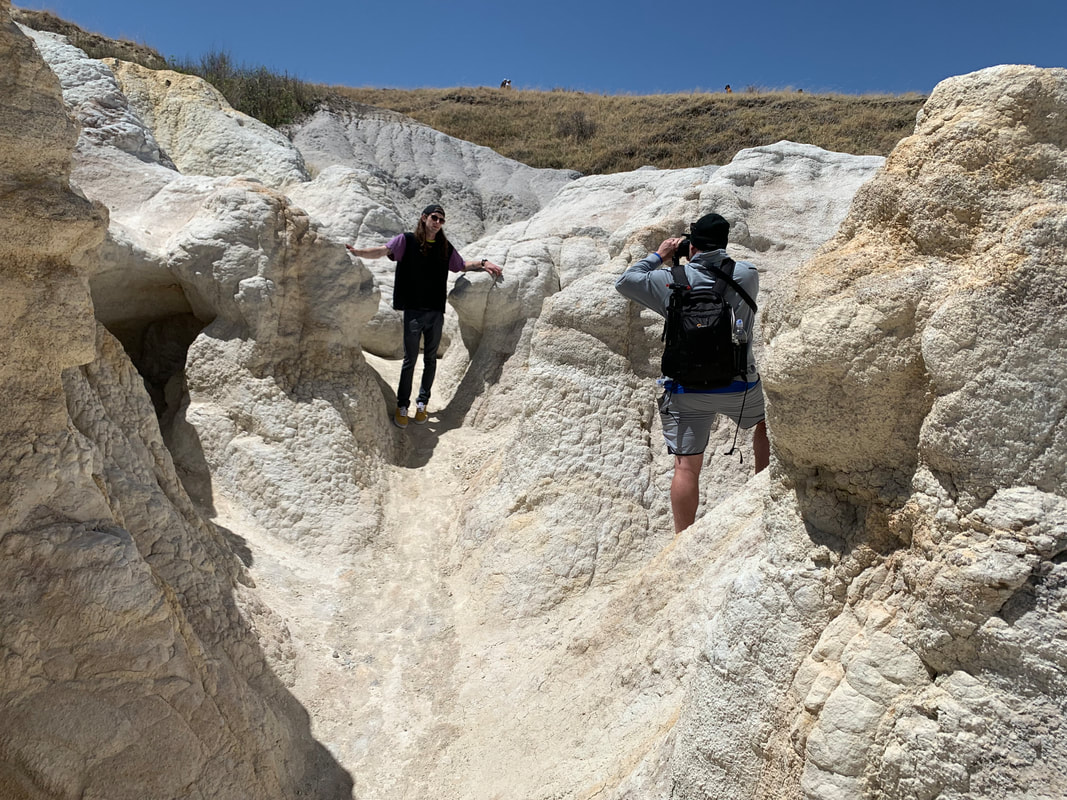
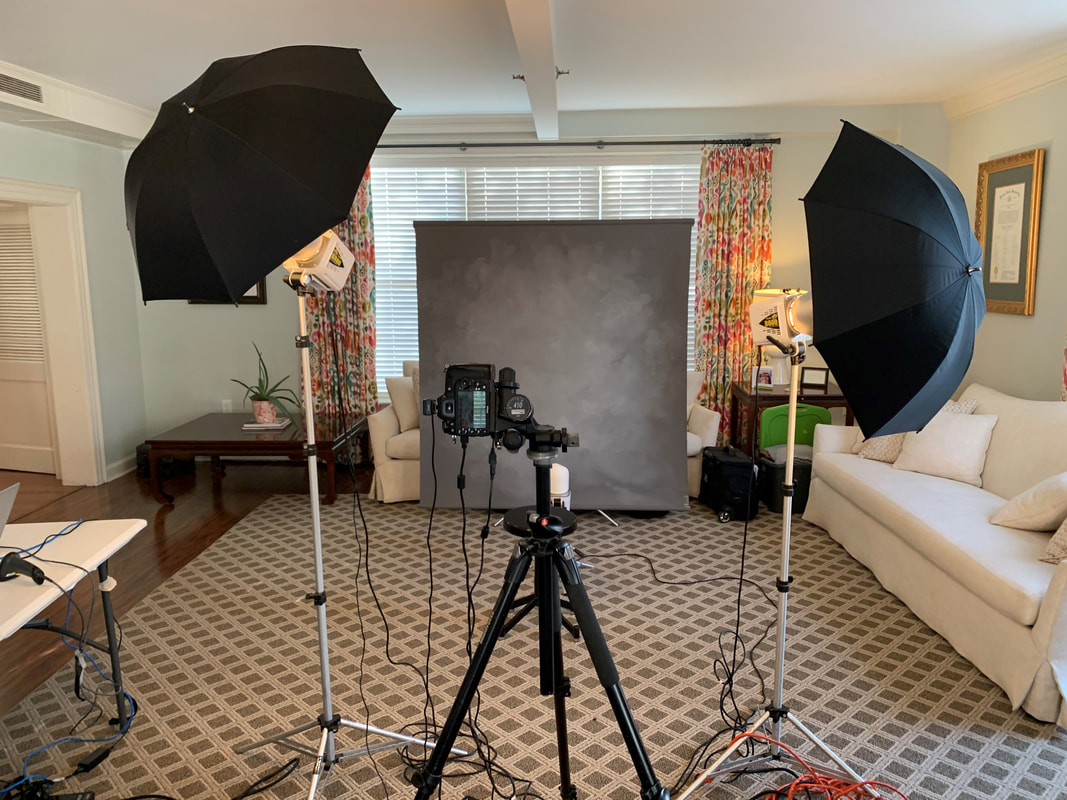
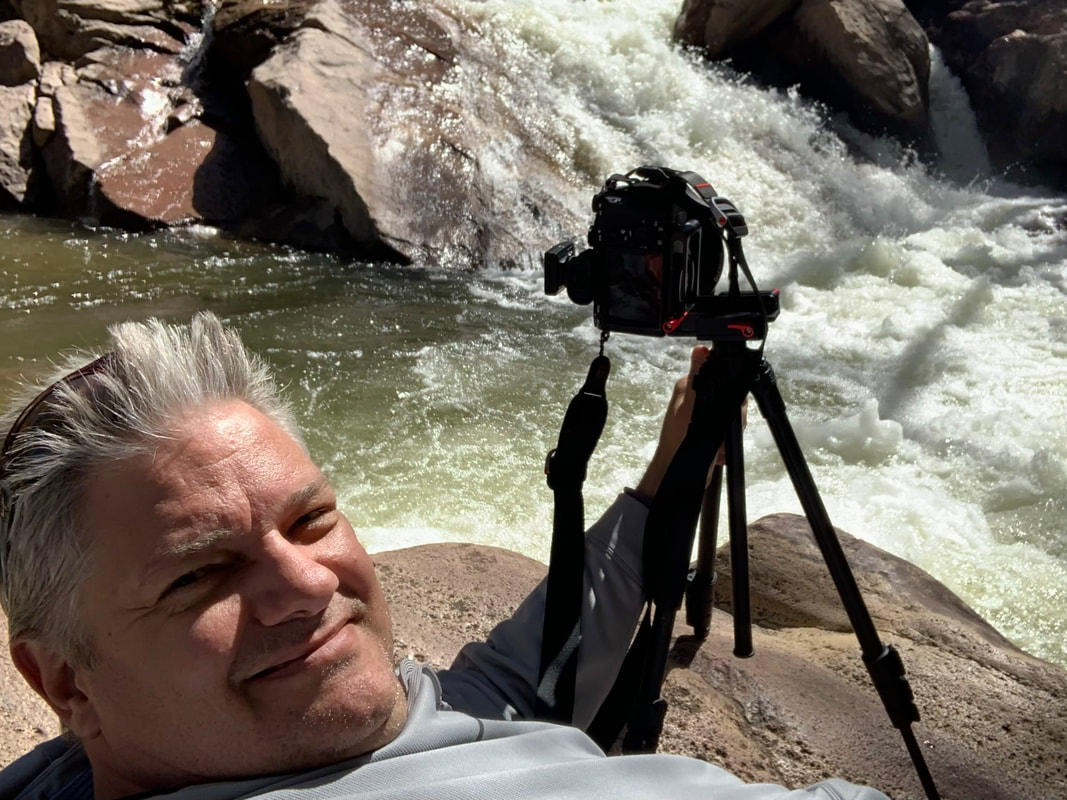
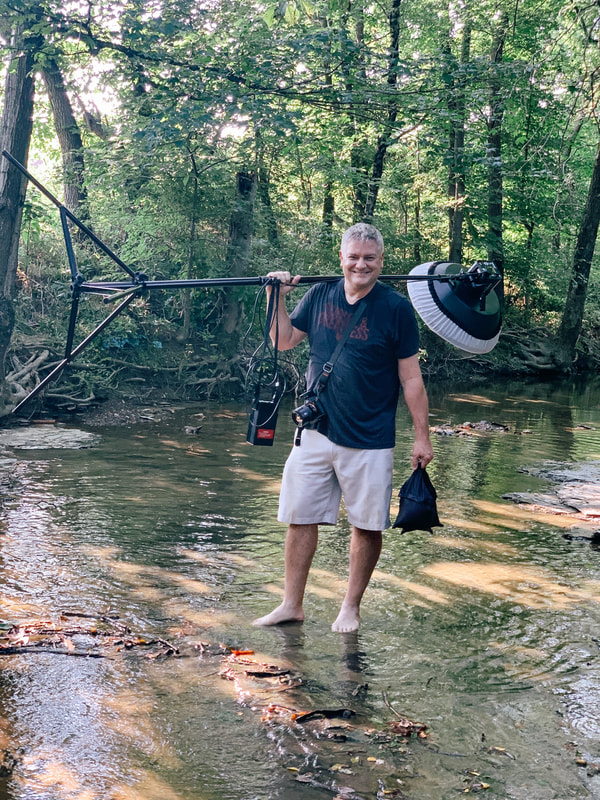
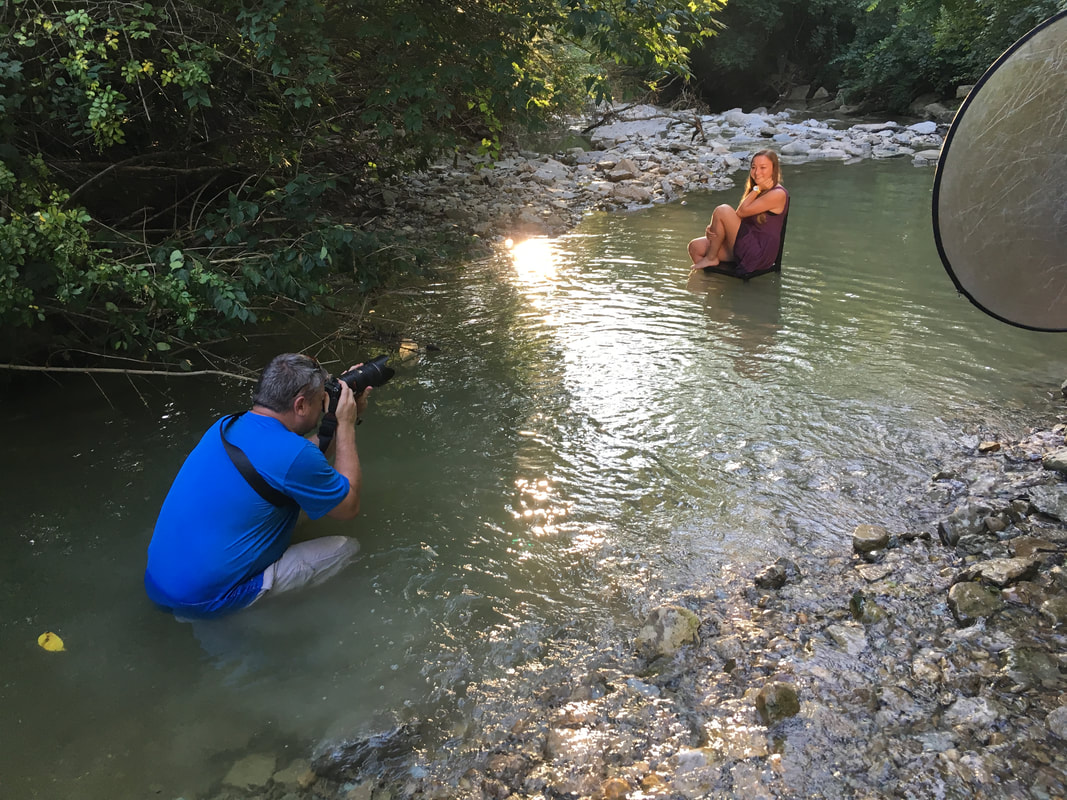
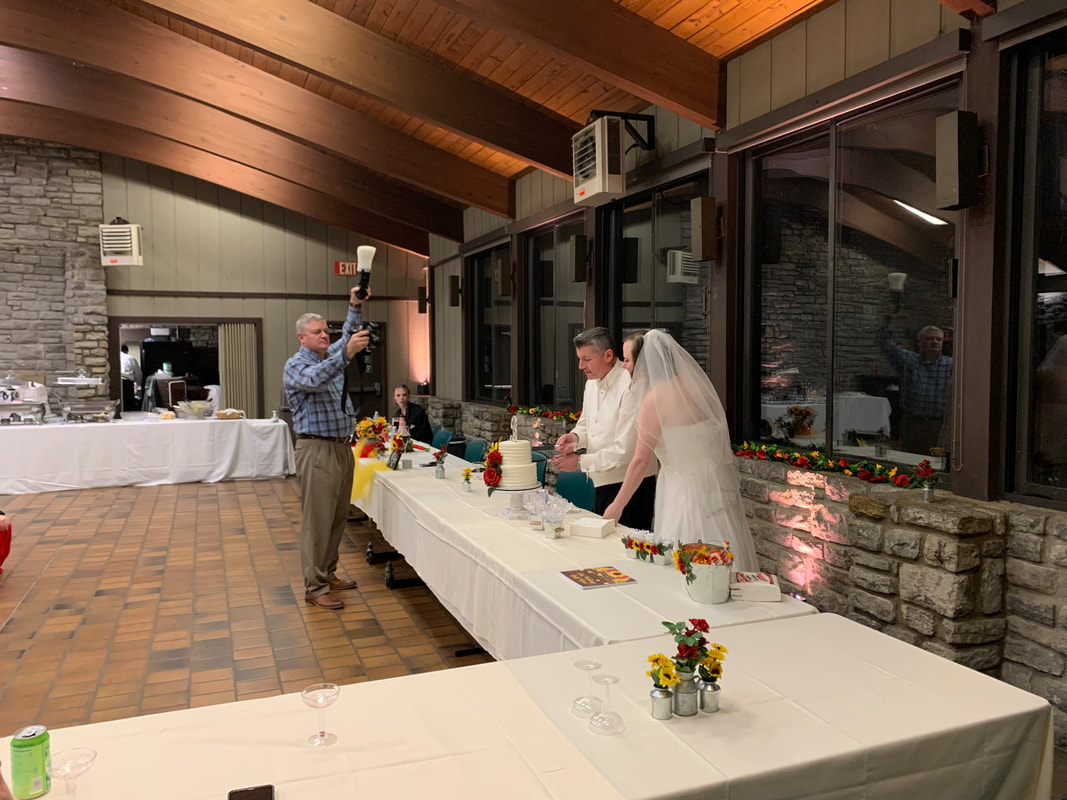
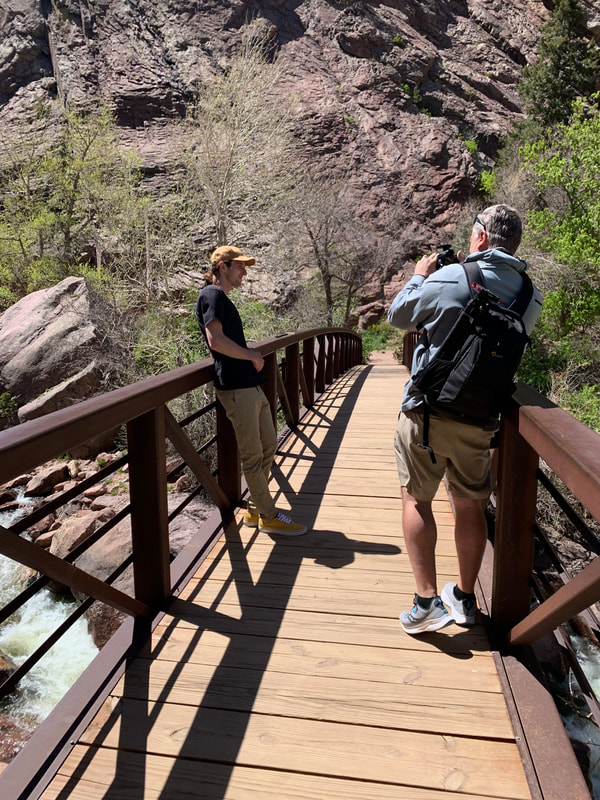
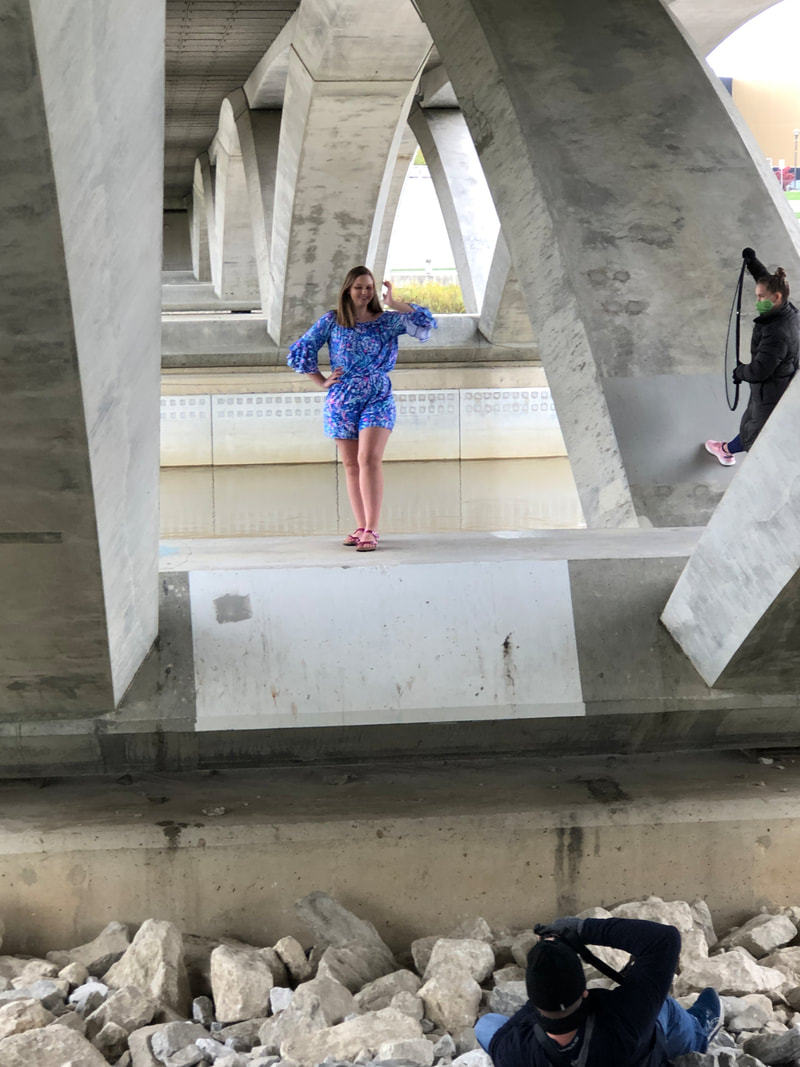
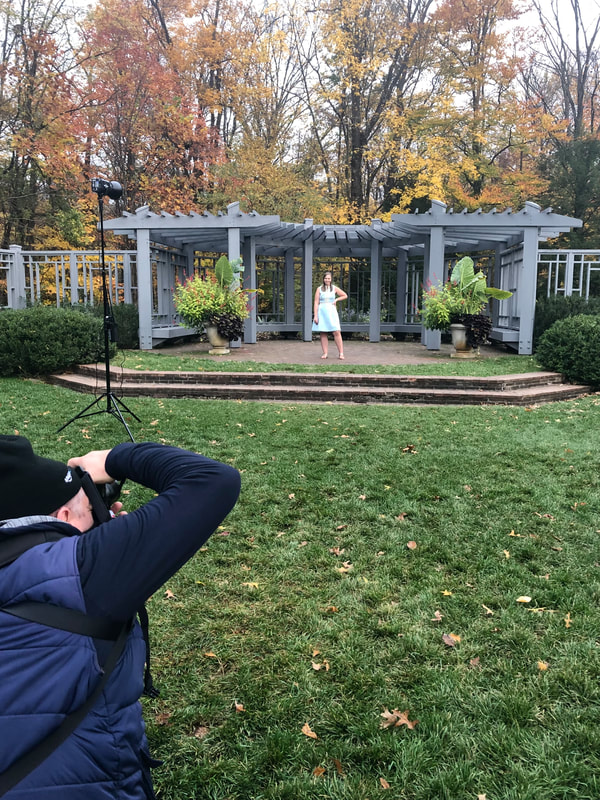
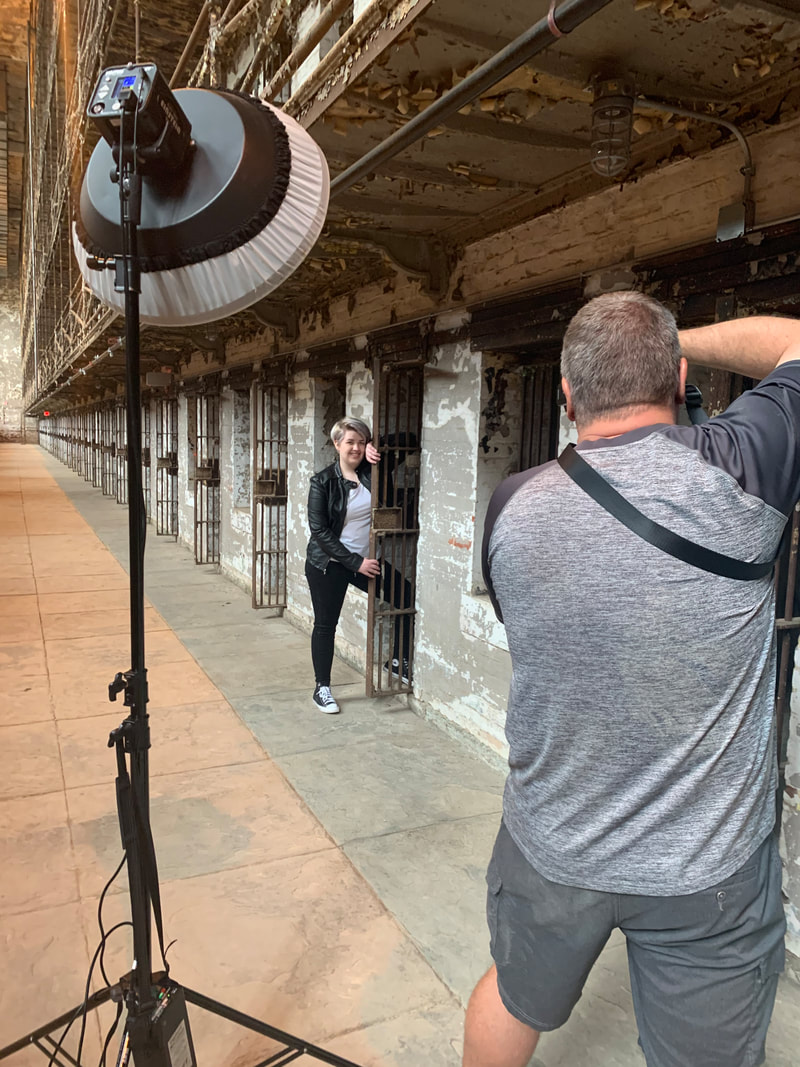
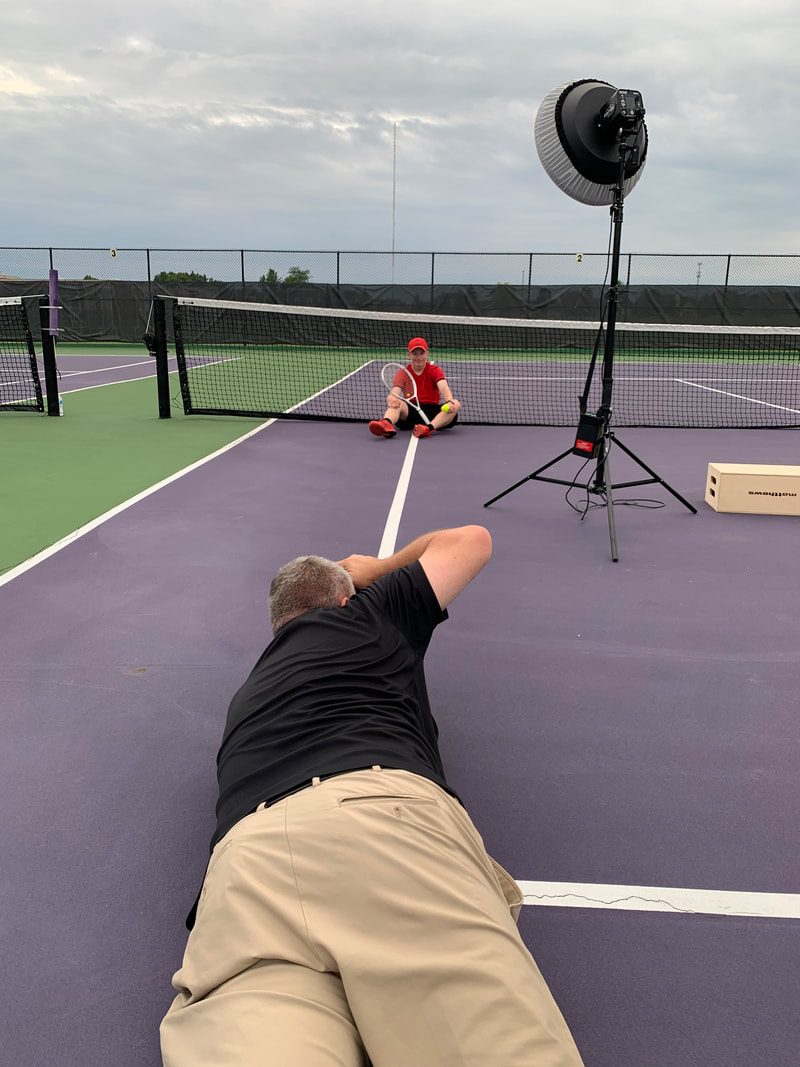
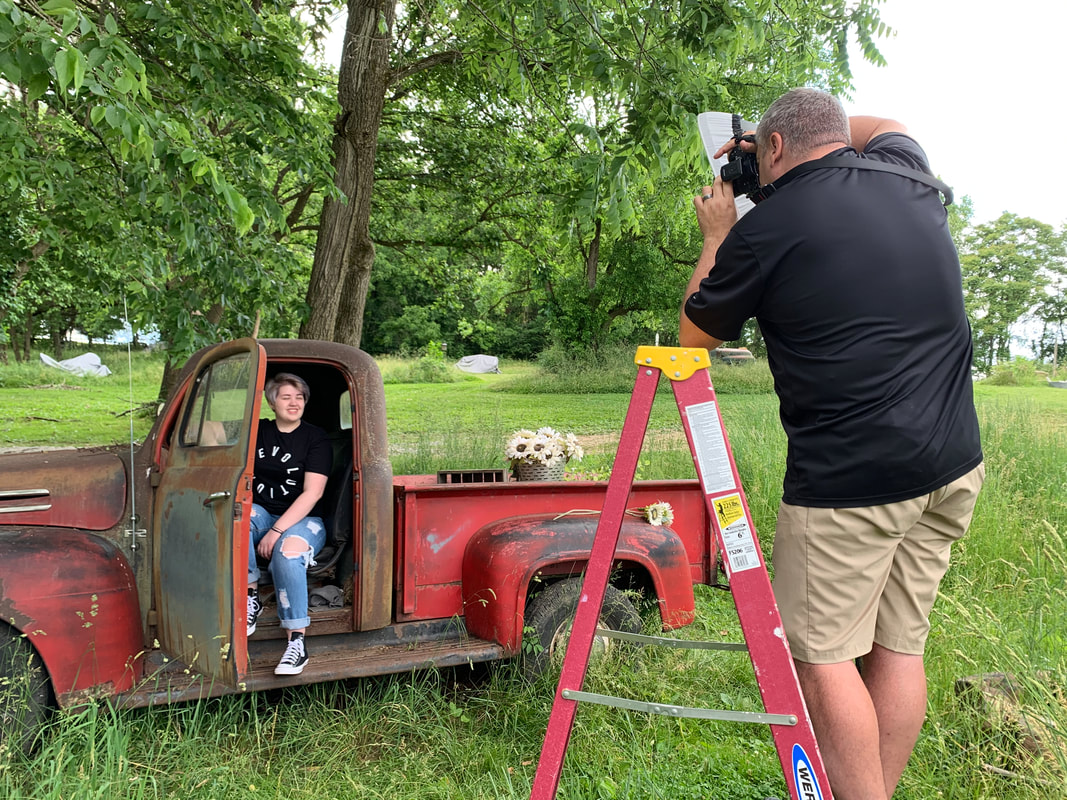
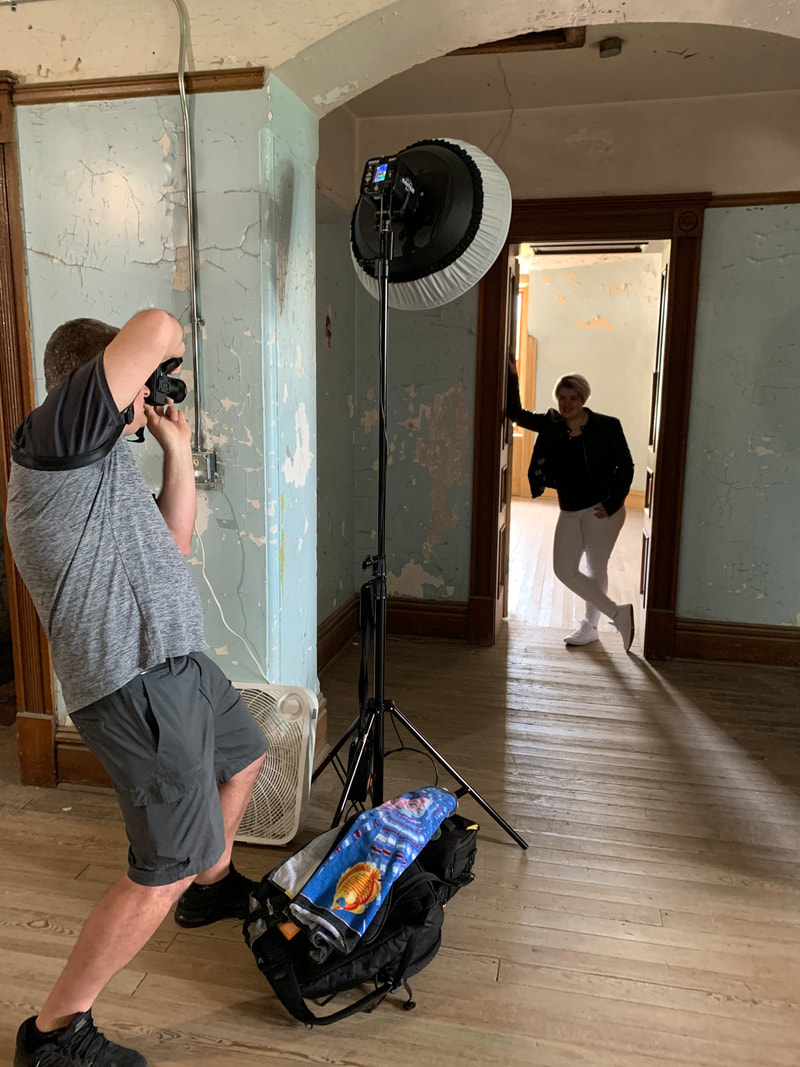
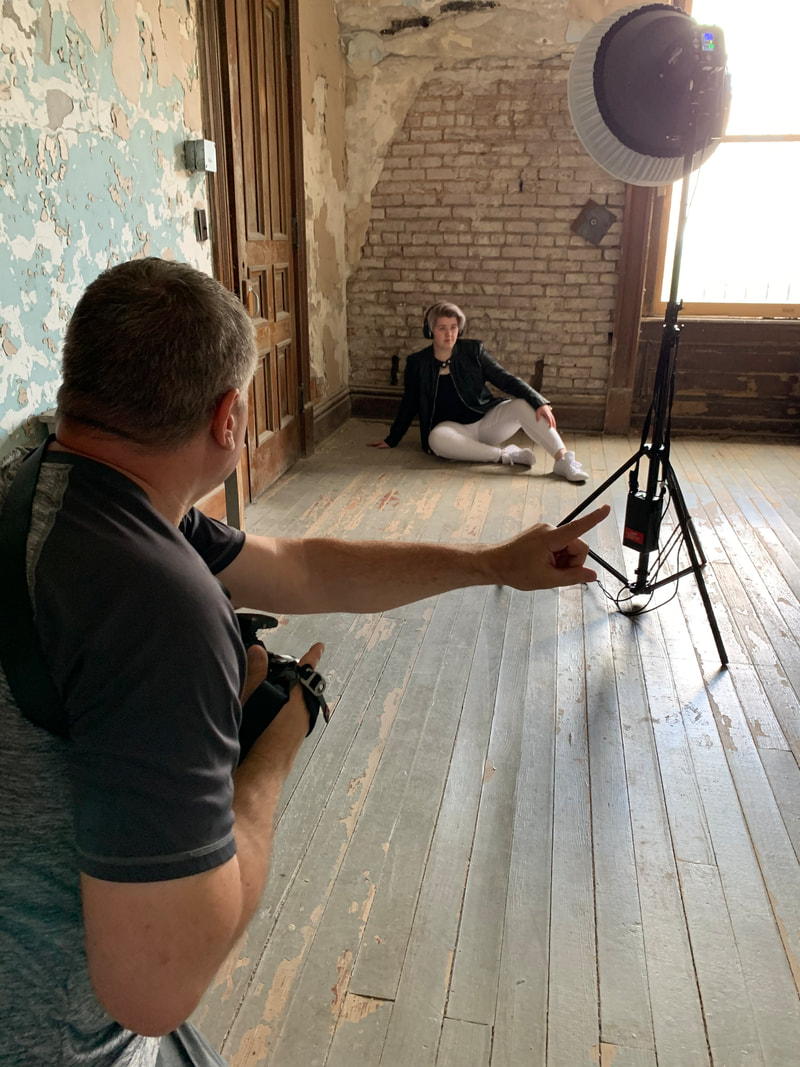
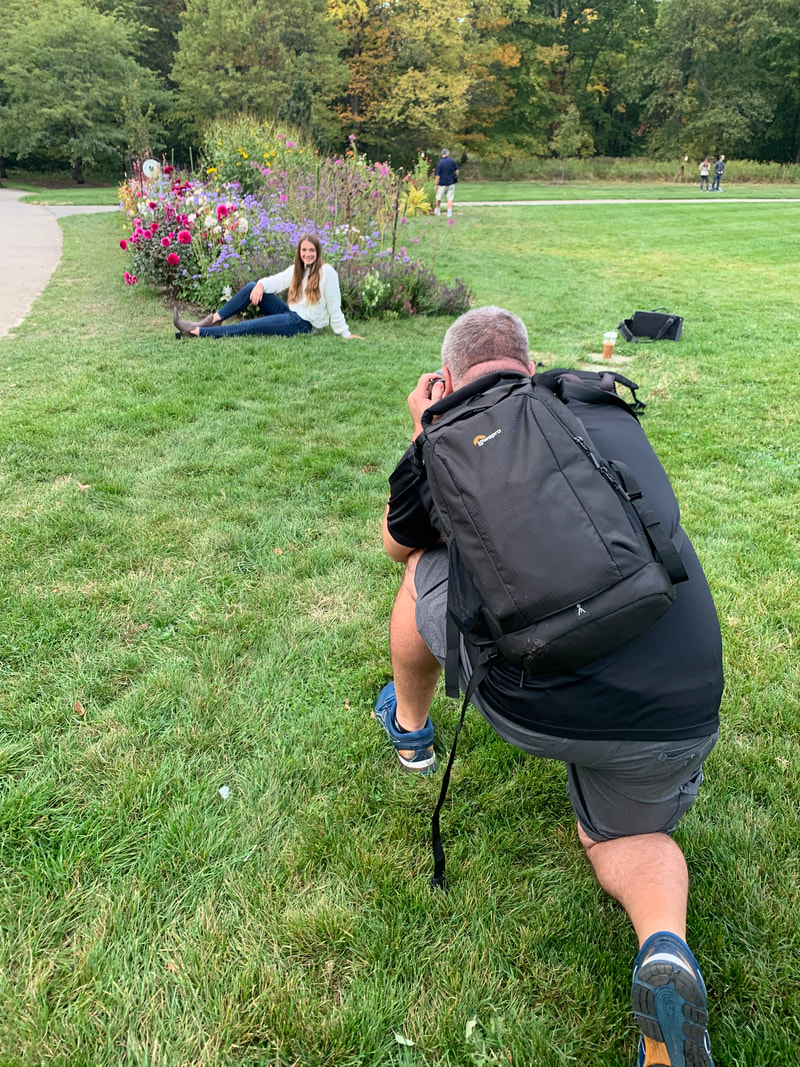
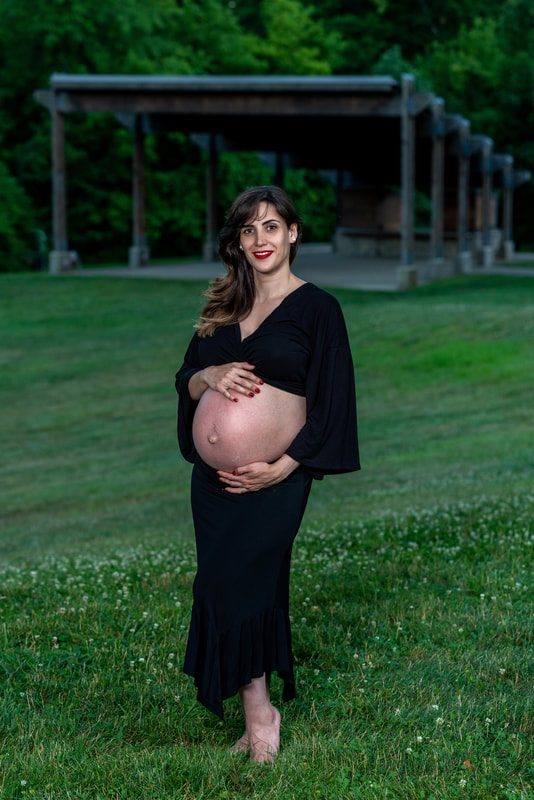
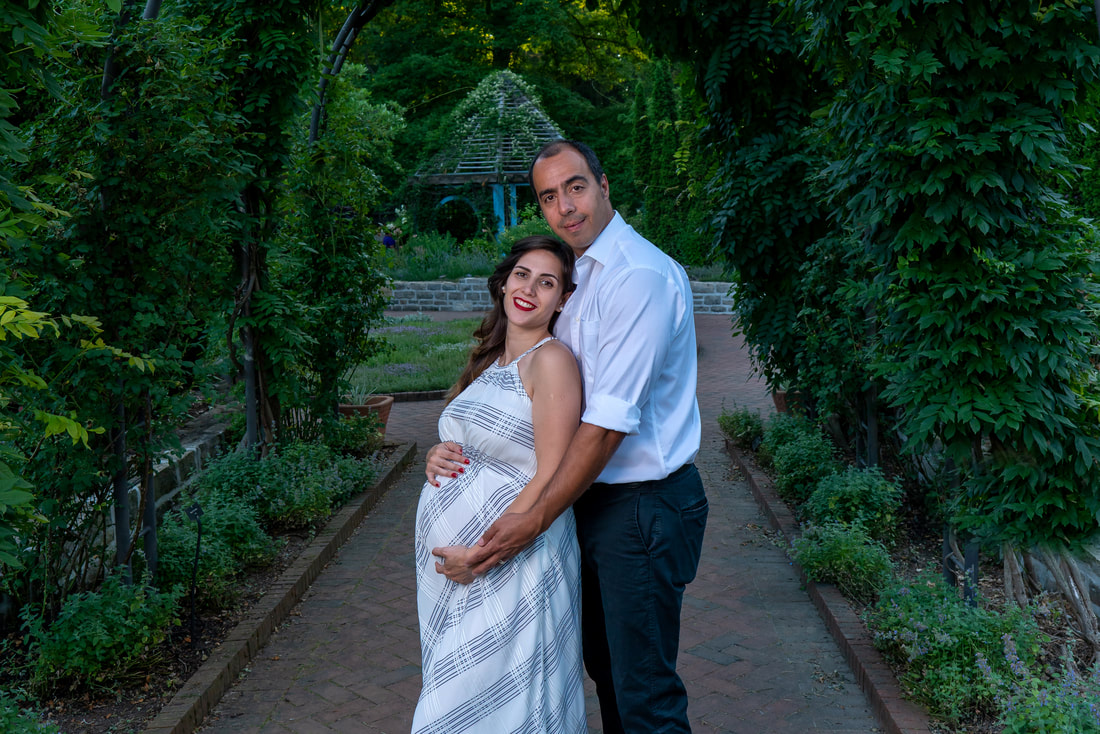
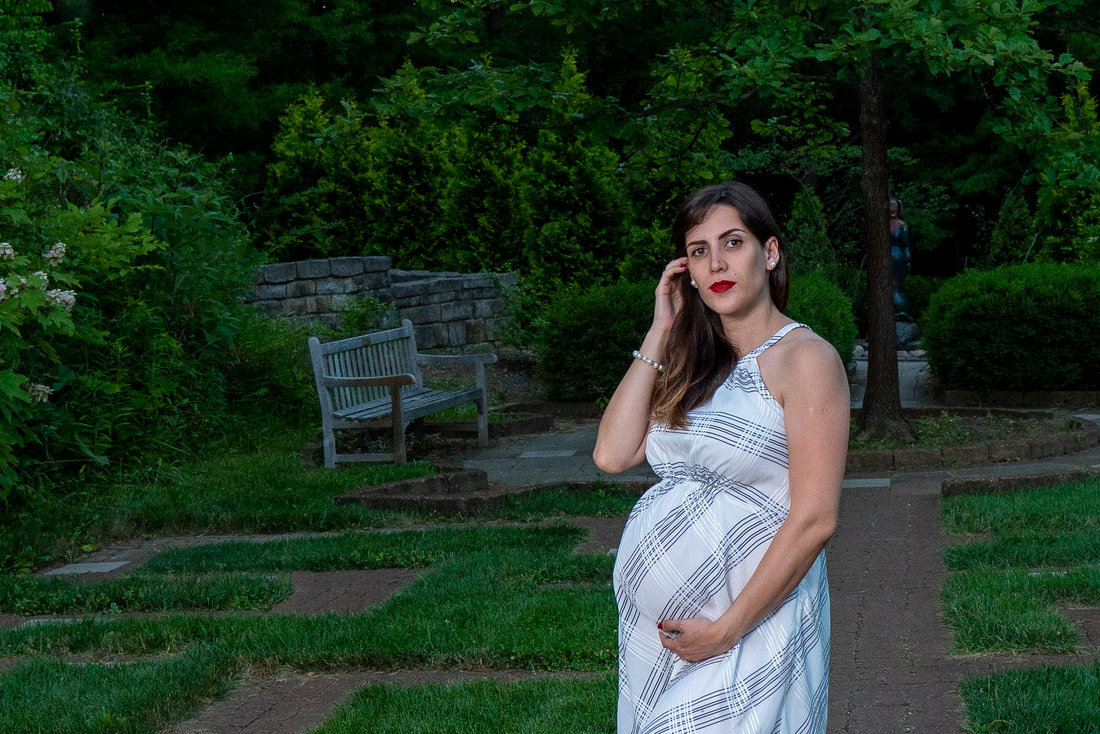
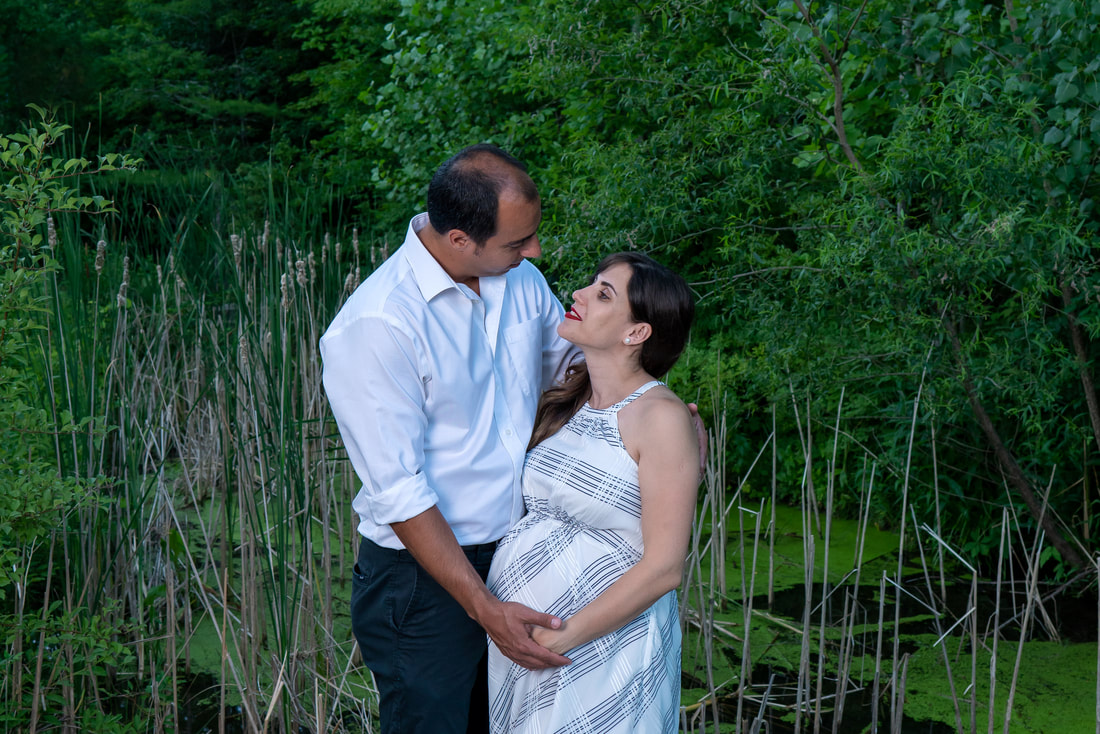
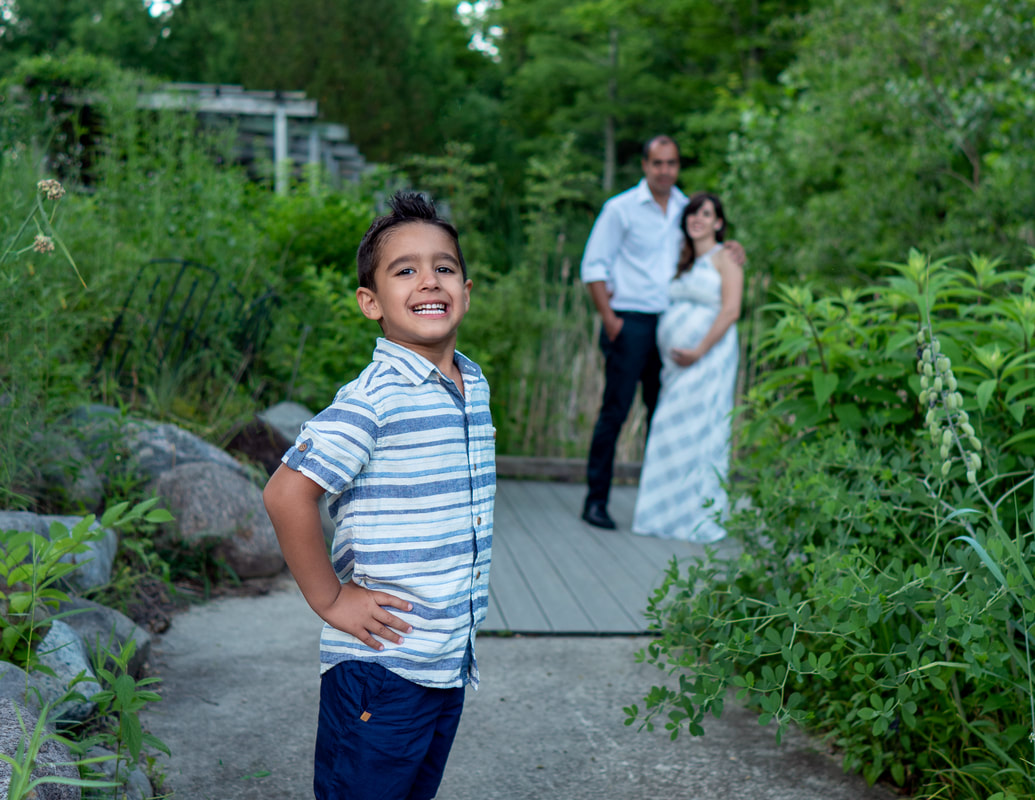
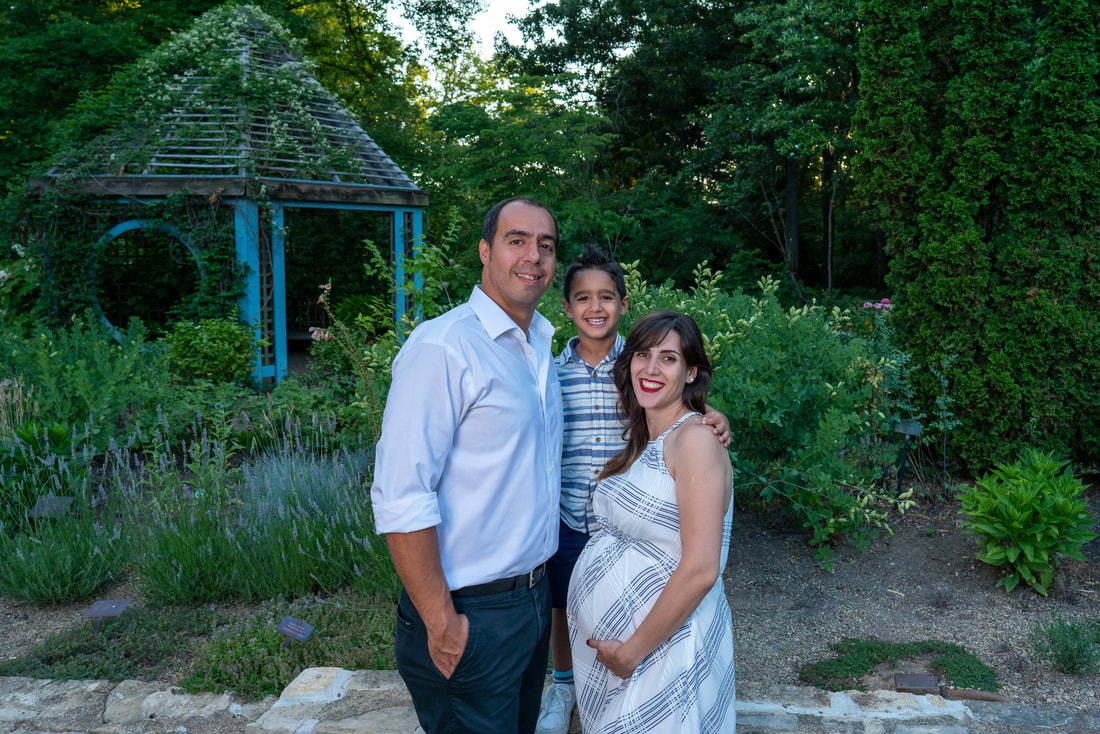
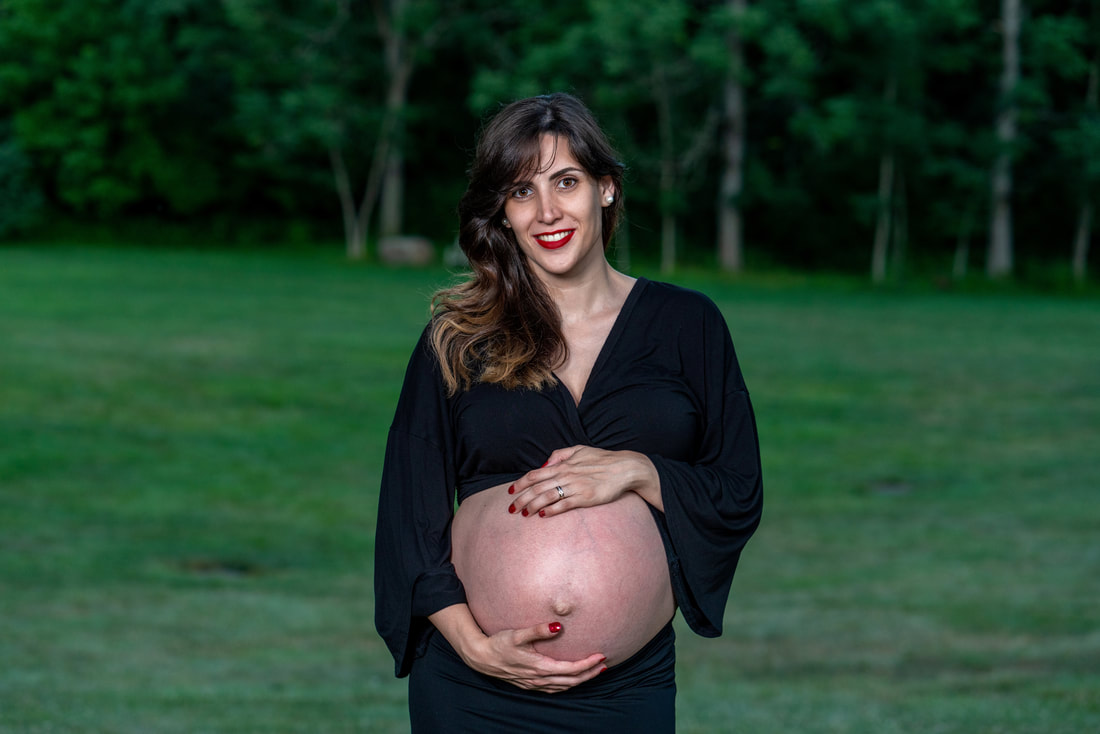
As 2022 comes to an end, reflection floods my mind and heart with fun times, laughs, getting dirty, getting wet...sometimes you do what you have to do in order to "GET THE SHOT!" My job as a photographer has taken me to so many amazing places/locations over the years and in 2022. Some locations are breathtaking while others one must use their imagination to "SEE THE SHOT!" Sometimes the most awkward location/photo spot produces an amazing image! Yes, I have stood atop mountains, battled currents chest high in streams, laid chest down in wet street puddles, battled bugs kneeling in waist high grasses, and lying flat on my belly in the dirt of a baseball field. Other times I may be dodging oncoming traffic or waiting on a stoplight to provide that opportune moment to capture the shot! I have leaned against light posts, telephone posts, street signs, trees, a building, a large rock, a car, a wall, and my camera bag to get special angle for the shot. While it is true that a picture is worth a thousand words what some of these behind the scenes (BTS) images don't convey is the ten degree temperature with zero degree windchill, 100 degree temperature of the August sun beating down, the cool temperature of the water as I wade in waist high or chest high even, the feeling of the cool breeze that cooperated and provided a natural model hair wind machine, or the laughs shared between subject, parent(s), and myself! At times the nitty gritty grunge work (not highly praised) is what pushed that one image over the top! A Flash Factor Photography photo session is definitely NOT a stuffy, pocket protector, or rigid type of photo session. It is fun, creative, and adventurous. There will be laughs! I have even shed a few tears at times. These BTS images don't show the blood, sweat, and tears that is exerted but it does show the passion I have for photography and working my behind off to make EVERY photo session unique and one-of-a-kind! I am passionate about photography and capturing you in your element - sometimes even capturing you out of your element because the contrast of a beautiful ballroom gown in an urban setting or a cello underneath a concrete bridge just ROCKS! 2022 has been a good year for me and Flash Factor Photography. I look forward to the adventures the future holds for my clients, my family and for me! What is your vision for a photo session? I am ALWAYS up for adventure! Reach out and schedule a time to discuss your unique photo session and how we can make it even better as a Flash Factor Photography session! What a super fun family maternity session. Sara and Kourosh reached out wanting to combine a maternity and family photo session.
We held their session at Inniswoods Metro Park because of the variety of backdrops it provides within the park itself. Plus, the park offered croaking bull frogs and snakes to search for keeping dad and son busy while I photographed mom alone in her outfits. Super fun session and I am so thrilled for this family to add another child (spoiler: it's a boy) to their family! Reach out to schedule your Flash Factor Photography maternity photo session today!
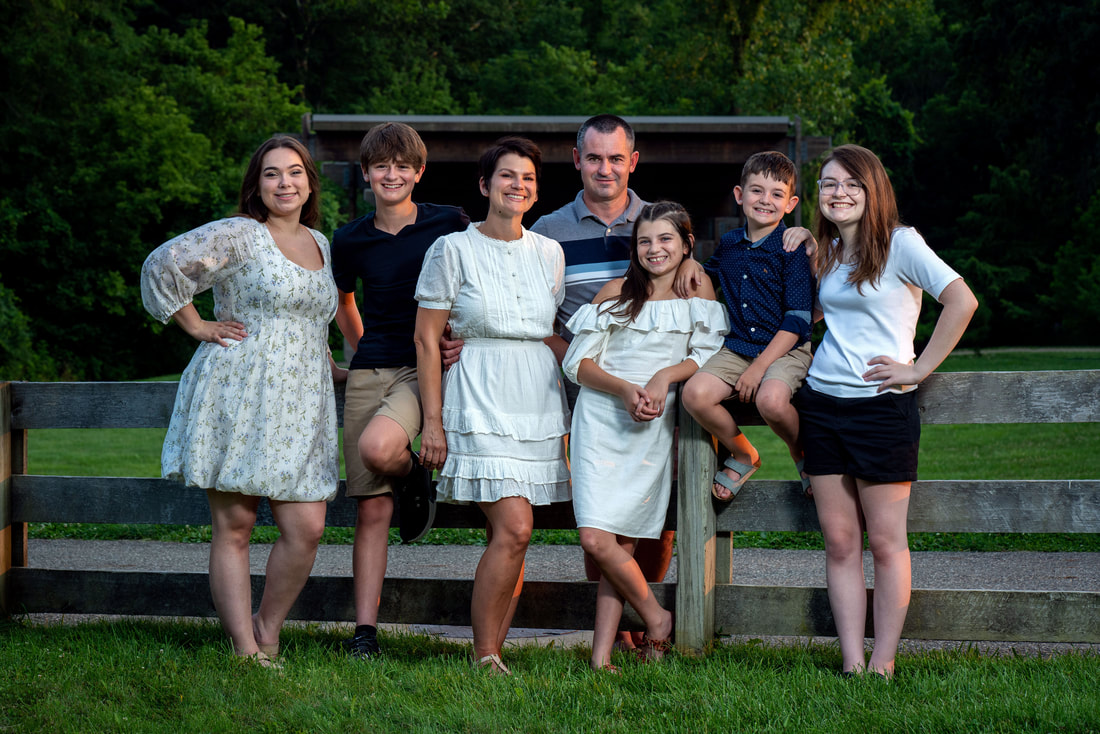
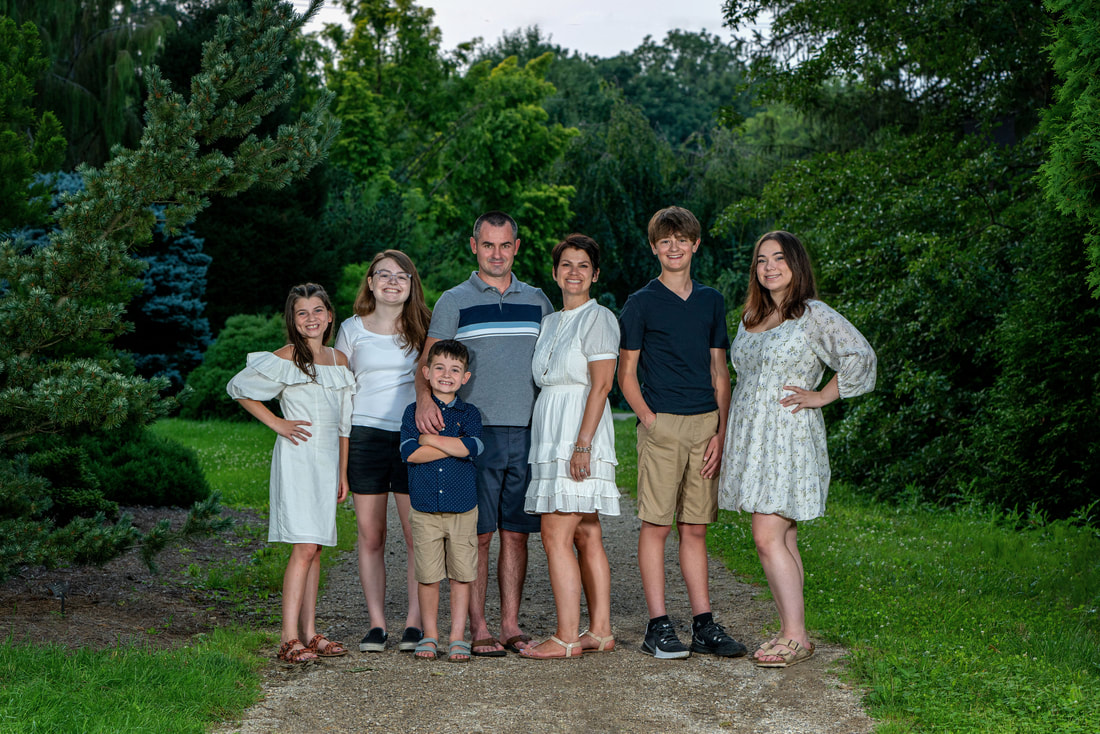
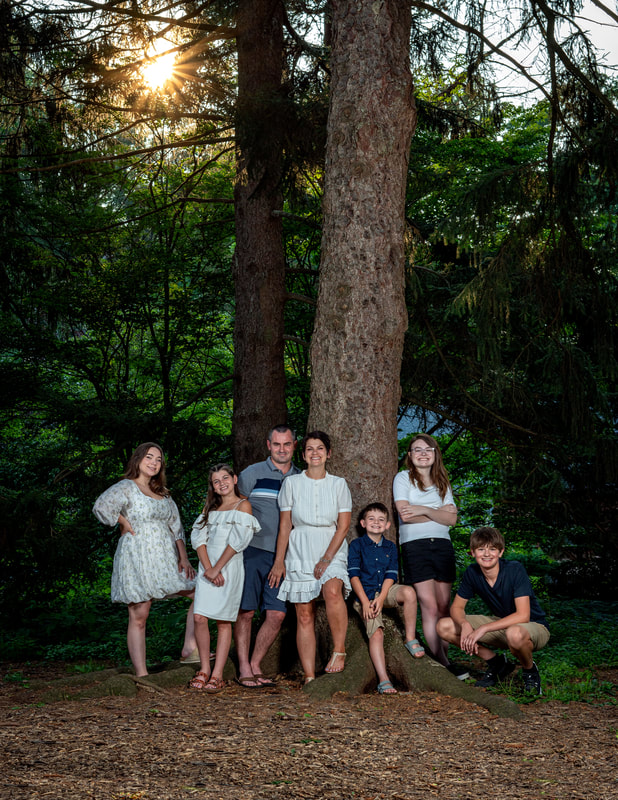
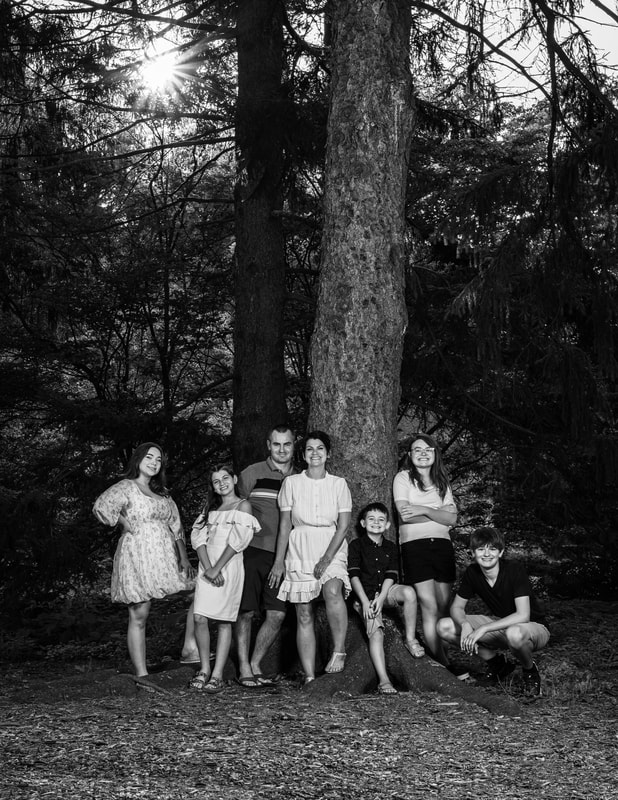
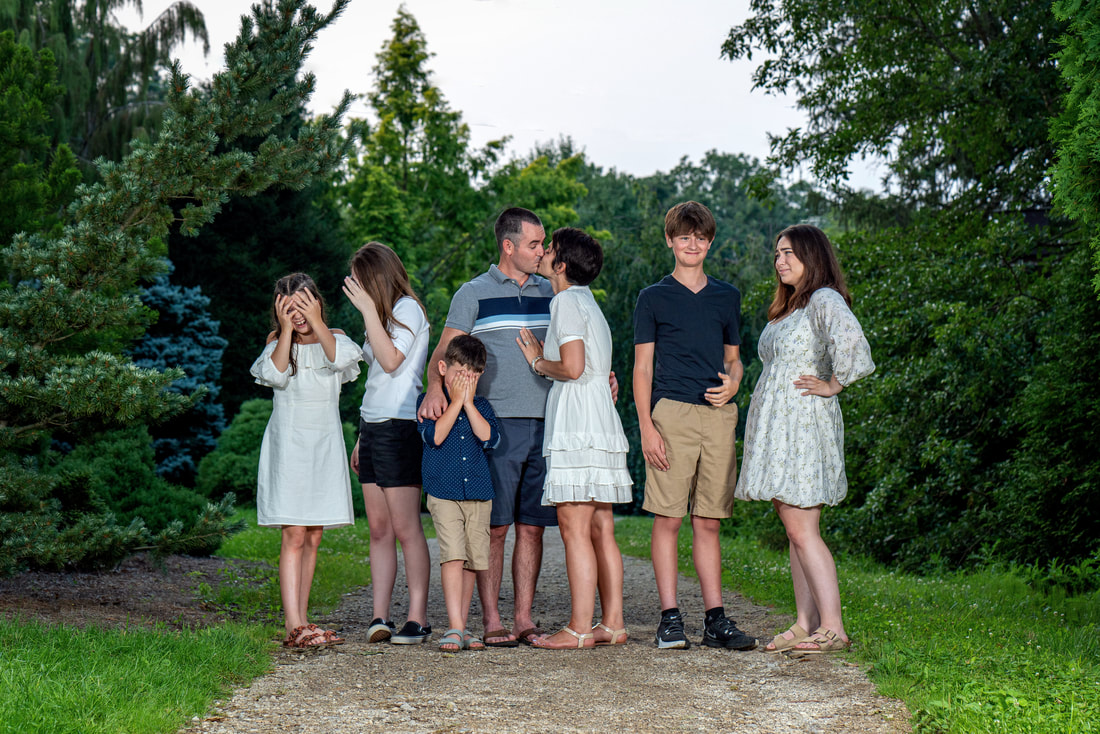
This family reached out about a family photo shoot for their family of seven: Mom, dad, and five children. We determined a local park, Inniswoods Metro Park and Gardens, would work best for their needs. This was their first family photo session and they were so friendly, excited, and yet relaxed having their portraits taken. I photographed the family together in multiple site locations within the park because it was so important to the parents to capture the family together. I also shot the parents and each child individually so that we could create a family collage of images. It had rained a lot days before their family photo session so I was concerned about the park grounds being too wet and their also being a high volume of photographers with their clients within the park trying to get photo shoots done on a nice weather day. The sun came out the evening before and day of their family photo session to dry up the park grounds. The park was not that crowded with the weather being so nice. The family was on time and had coordinated outfits nicely which always makes for a happy photographer! Professionally, I always have an idea of the images and location settings I want to shoot in and usually try to do something a little more creative on at least one shot regardless if I am shooting a family, engagement, or high school senior photo session. Sometimes that creativity pays off and sometimes it doesn't. In this case, I thought it was a huge success. After scouting out the park I had the idea to shoot the family under a bunch of pine trees around one tall tree and catch the sun setting starburst behind the family peeking around the tree. With a family of seven in a shaded area for this shot I used a two light system and I couldn't be happier with how this particular shot turned out (see images below).
After these family portrait shots we then continued the family photo session throughout the park shooting a four other settings including the rose garden, fence line, stone bridge, and pebble pathway. Personally I try to balance moving to a new location within the time constraints and speaking with each individual to learn something about them. I find it helps me to understand the personalities and also helps people relax more in front of the camera. My approach is pretty low key and relaxed and it worked perfectly capturing this family during their FIRST FAMILY PHOTO SESSION!
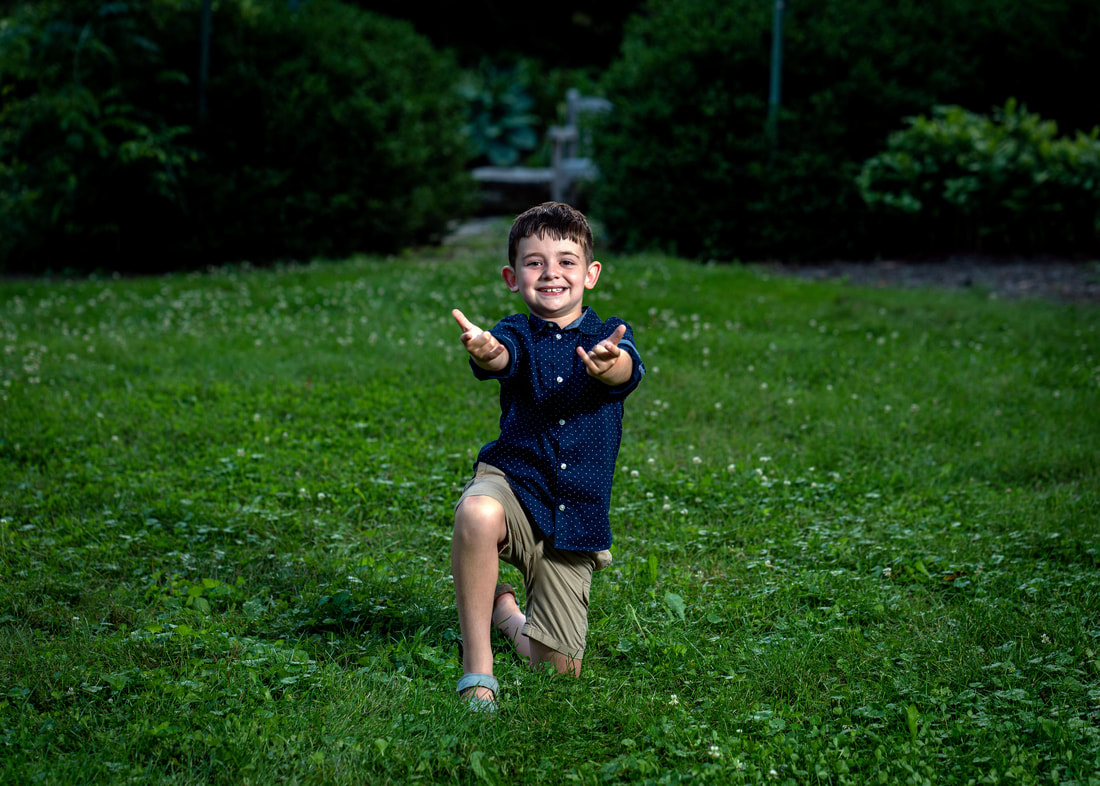
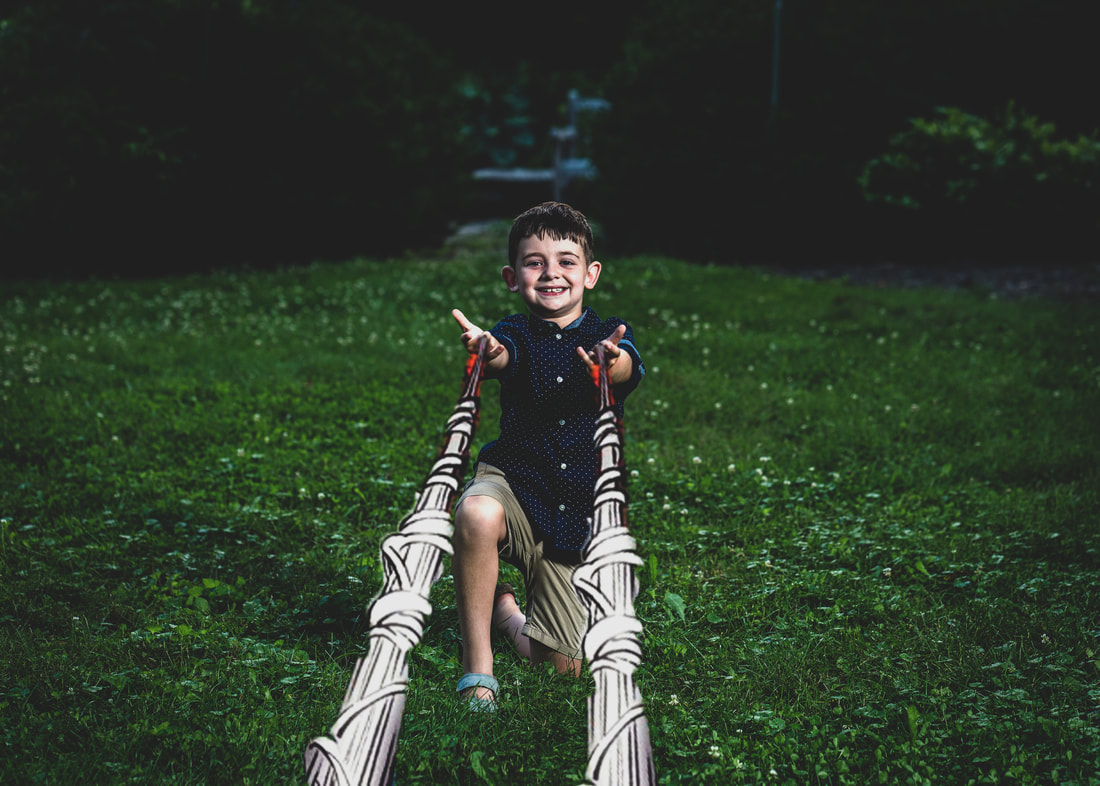
We finished up the family photo session with a little creative session of super hero poses. Here's what a stranger passing by would see versus what I see taking the photo. I think the family thought I was little crazy but they loved the superhero shots. This only stressed the importance of finding and working with a photographer you trust to capture you at your best!
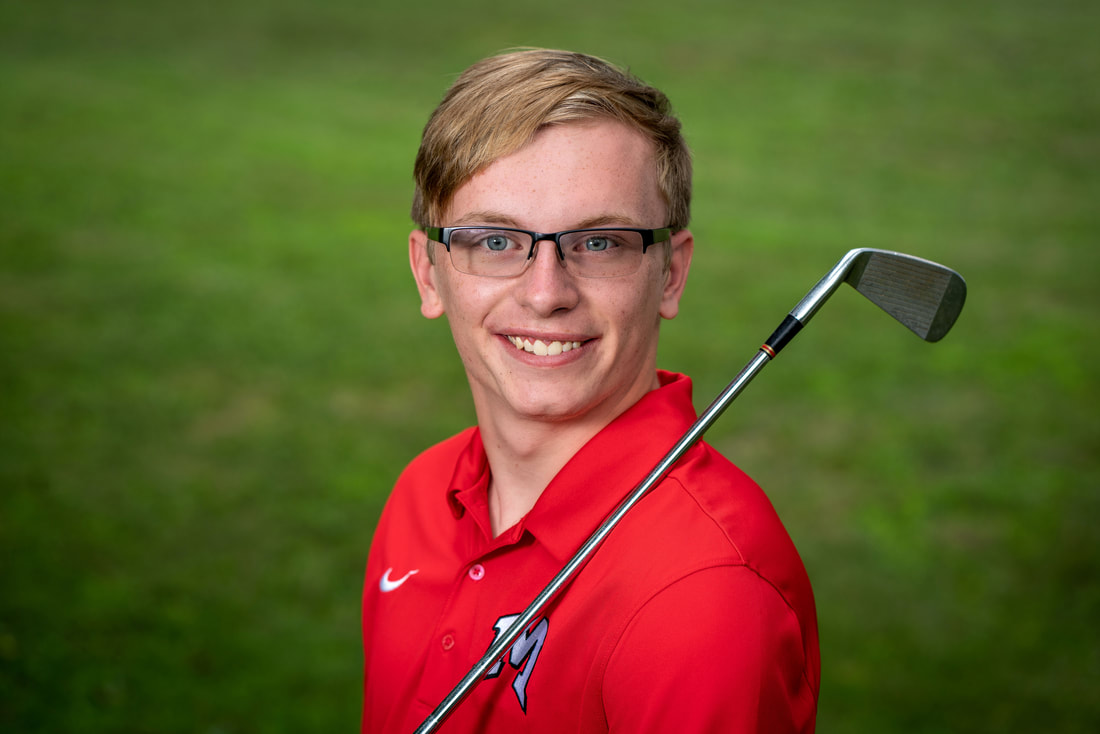
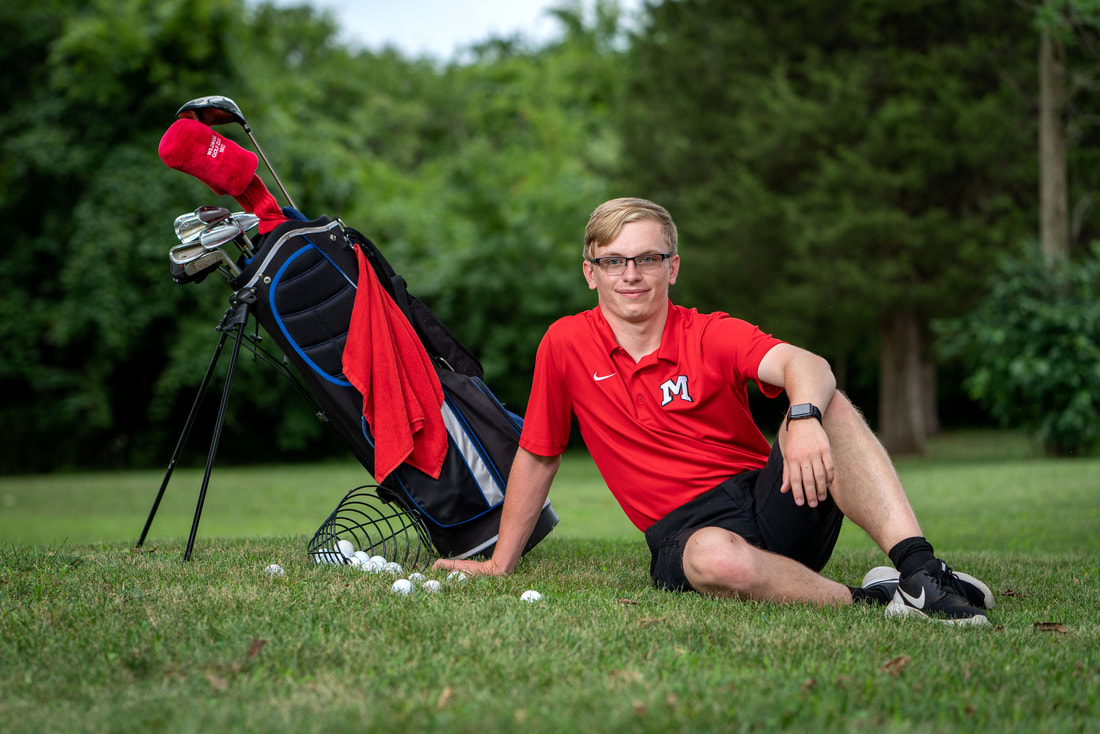
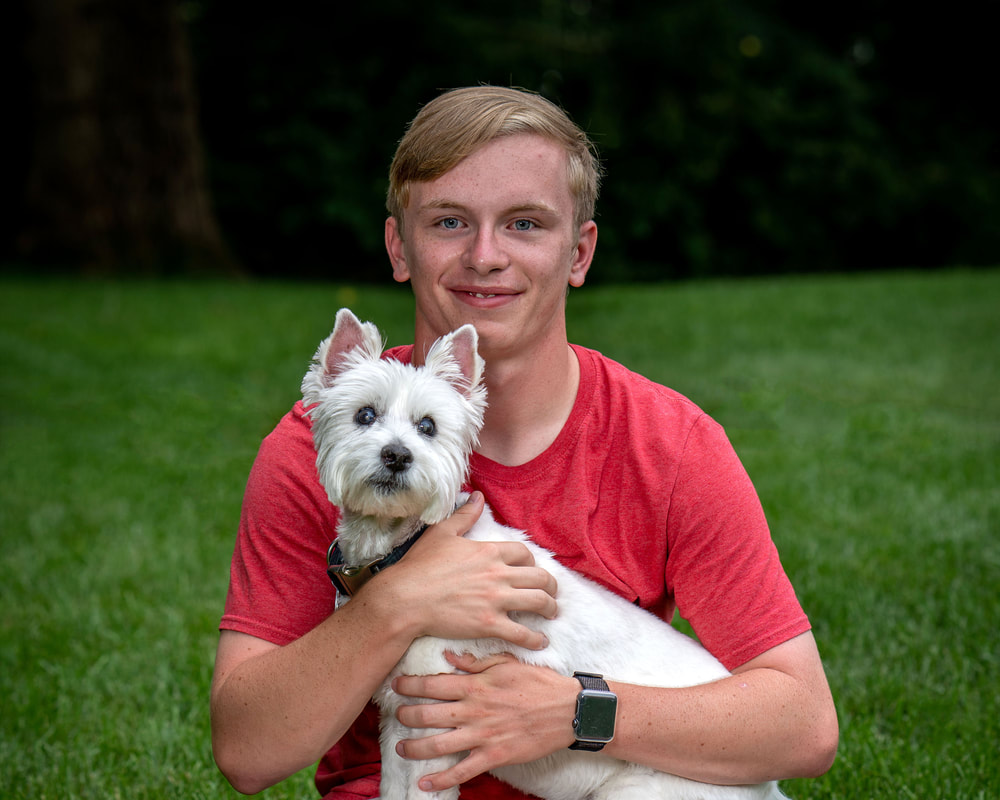
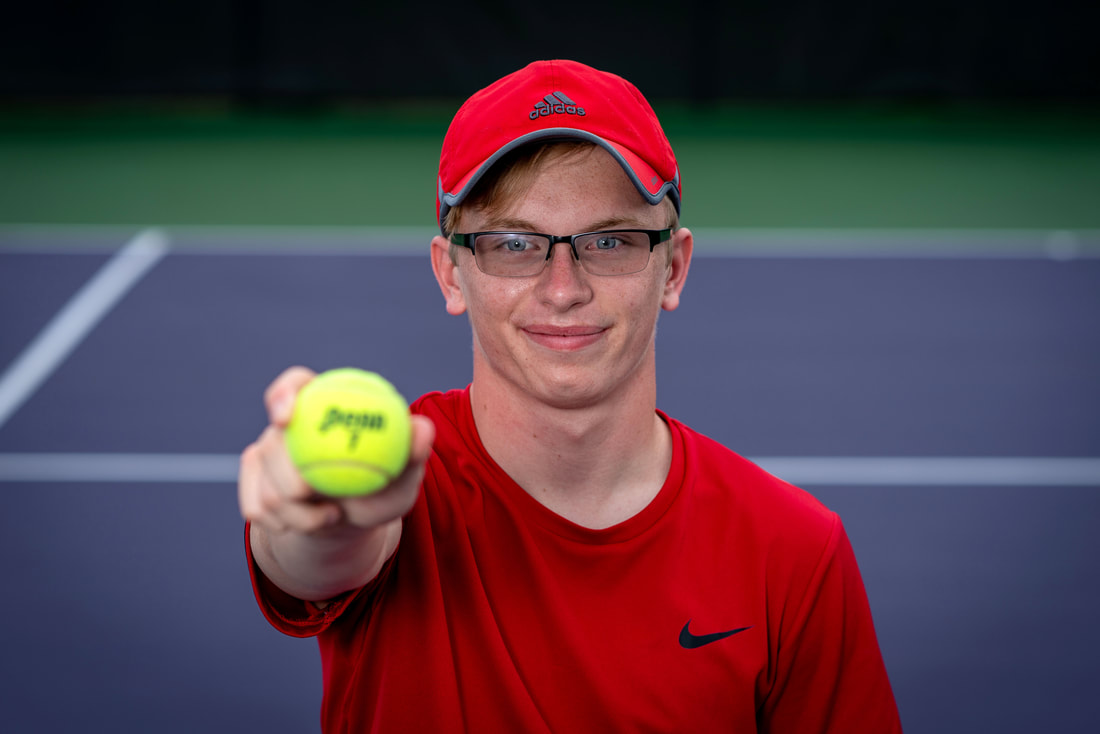
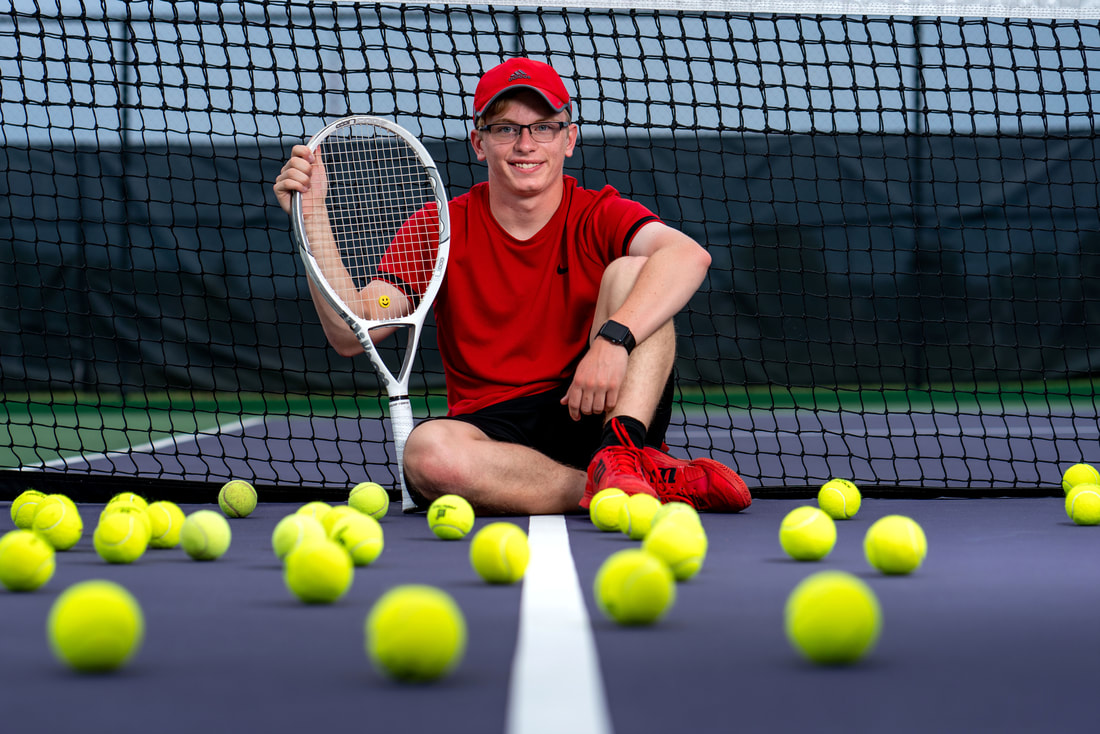
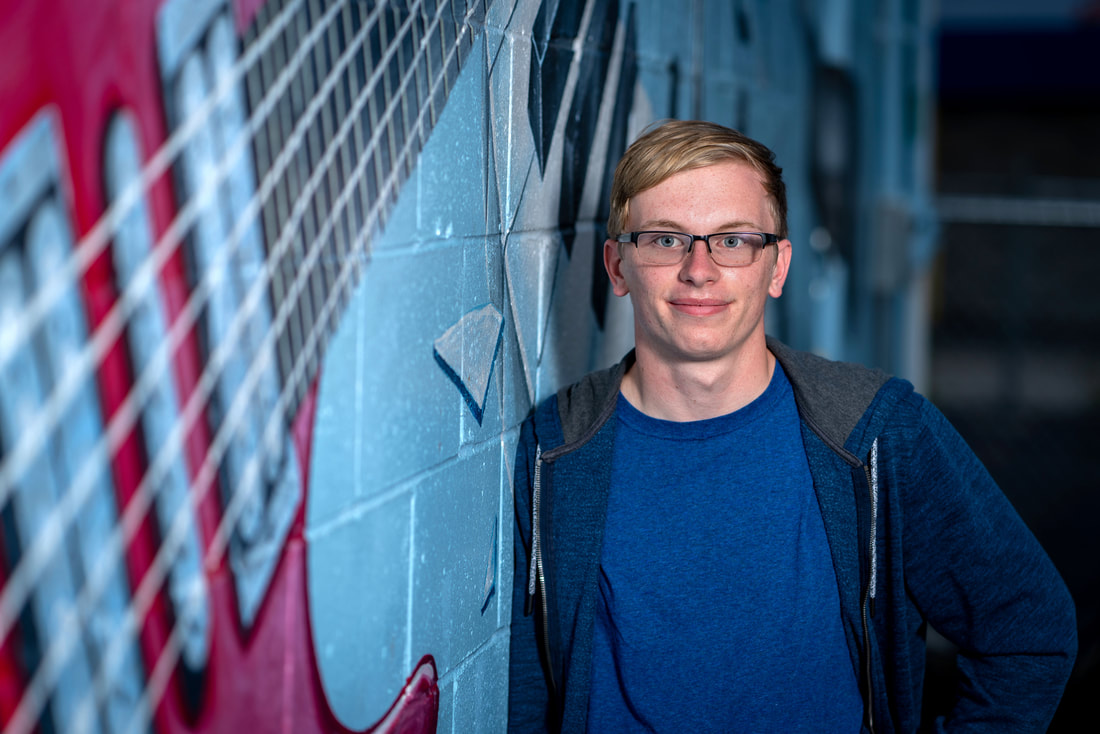
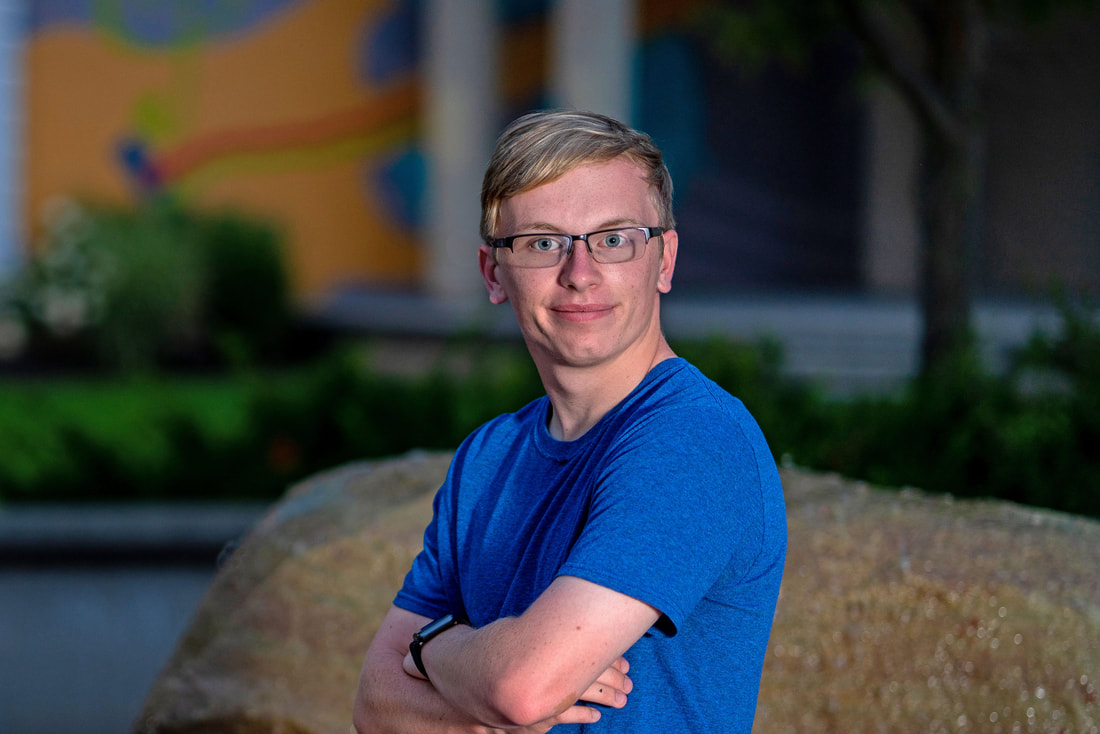
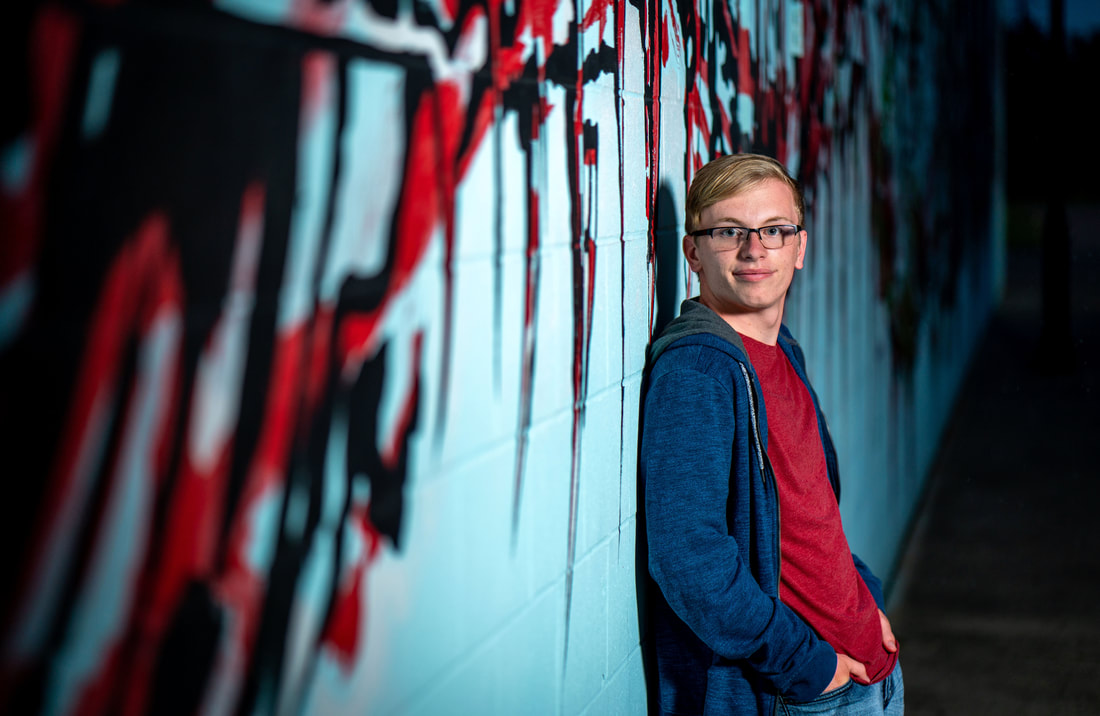
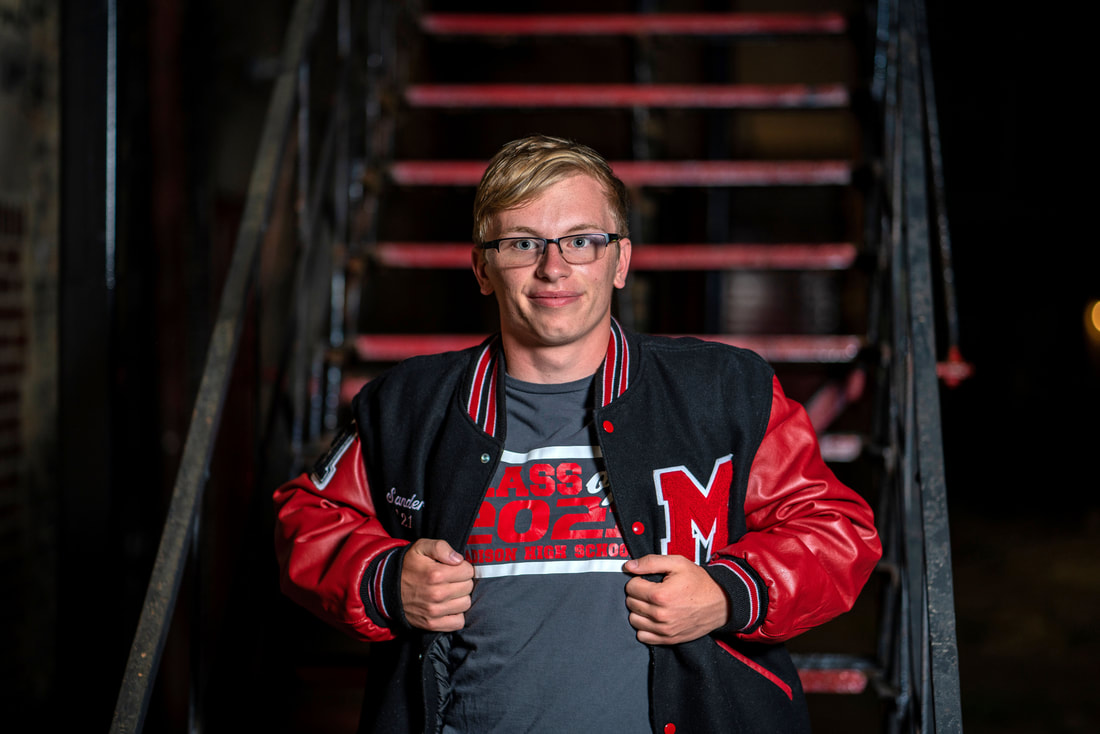
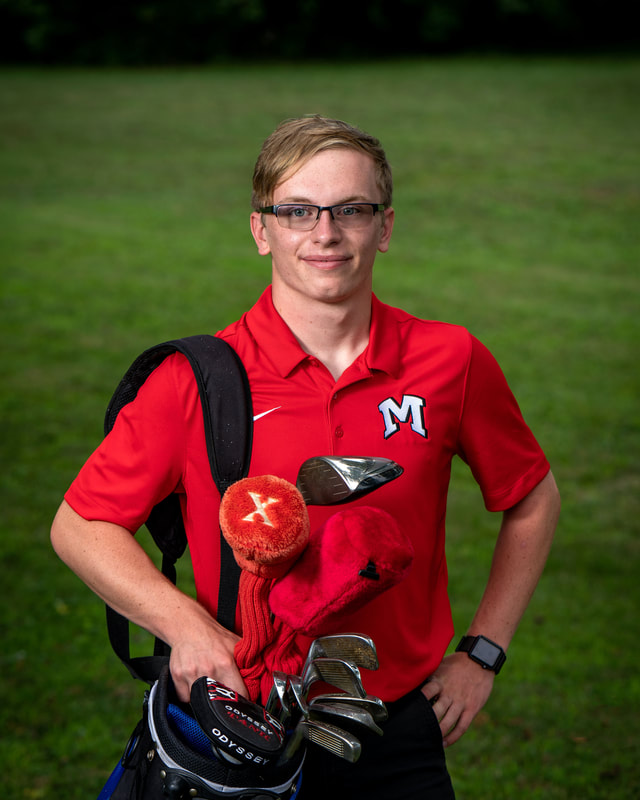
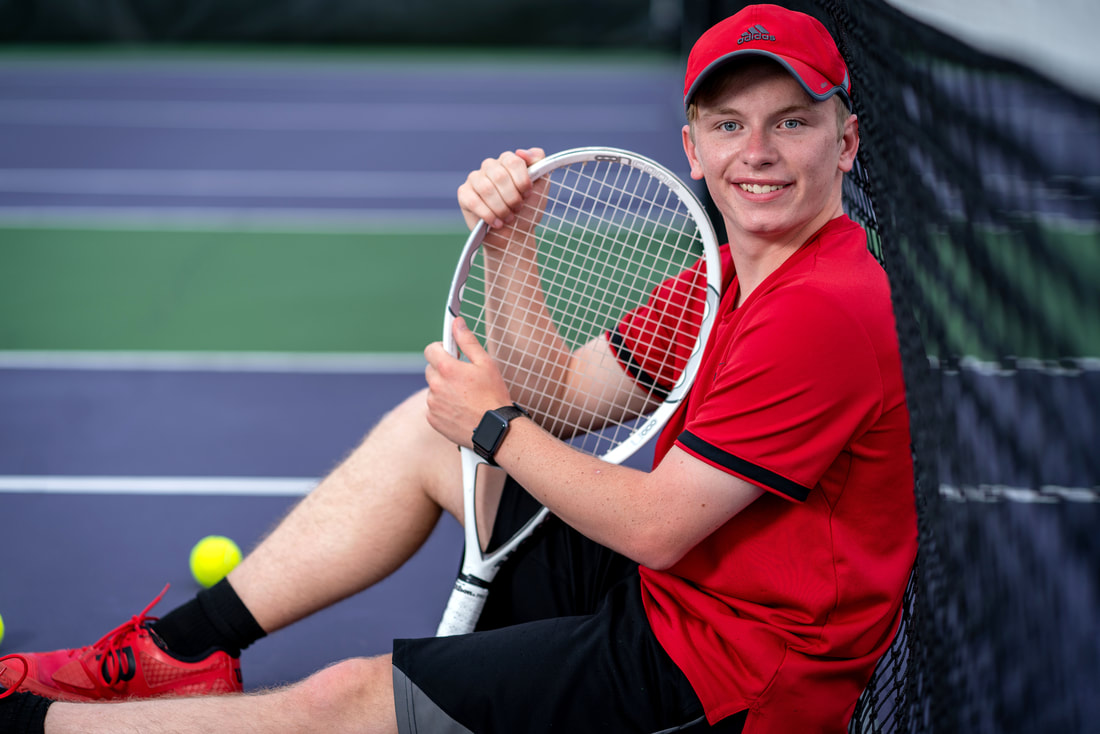
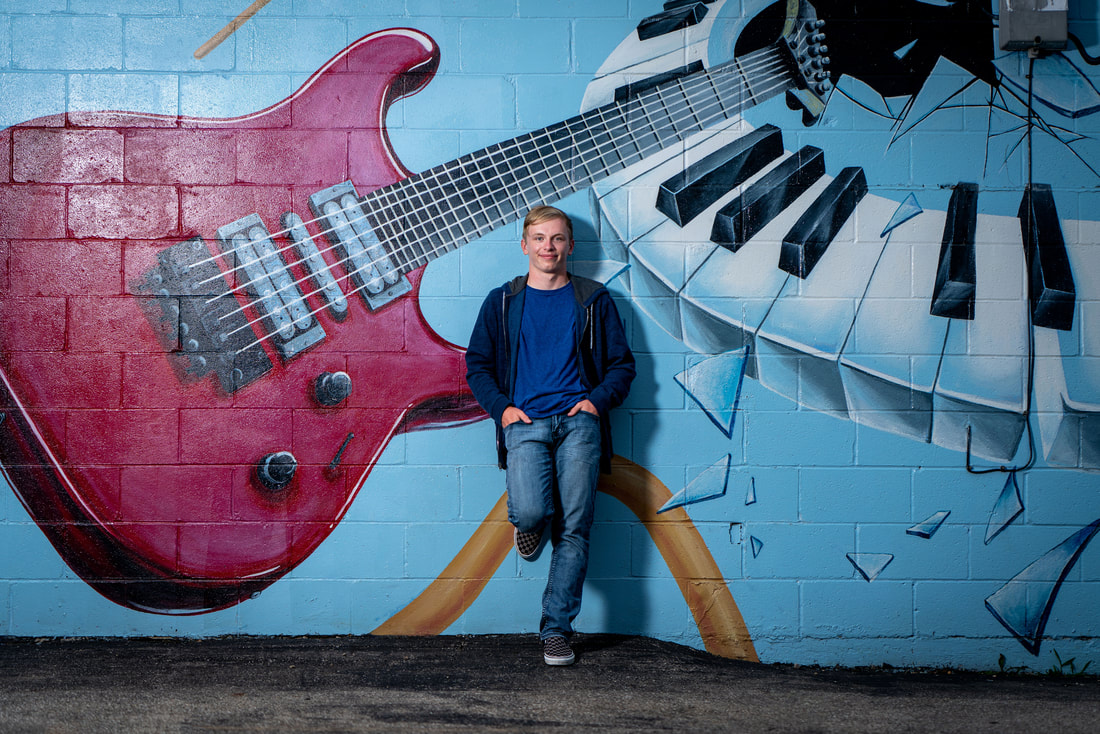
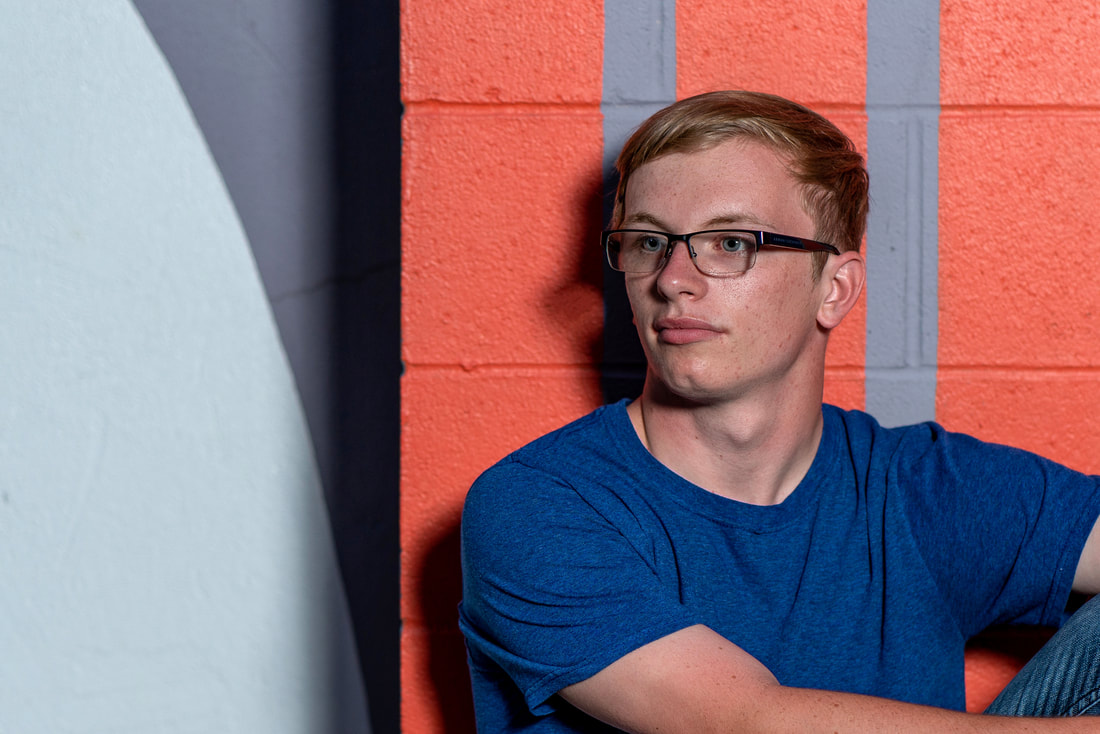
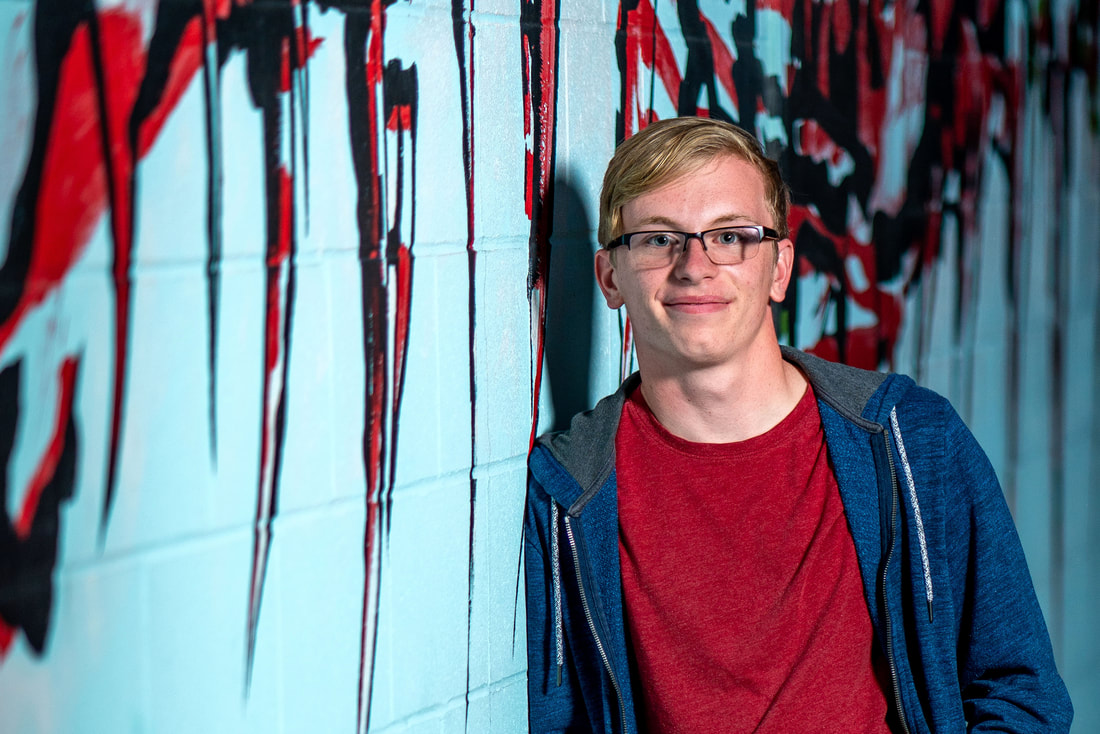
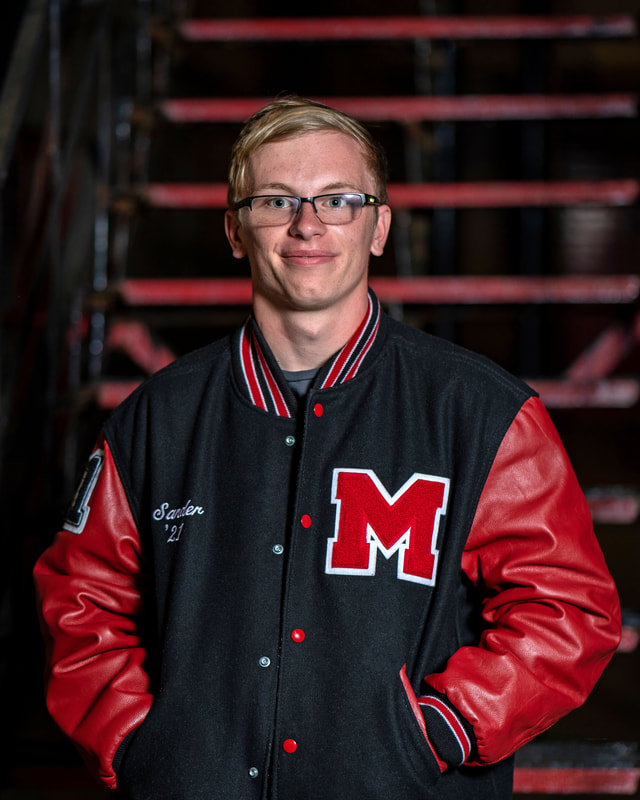
As Spring quickly approaches I wanted to feature Ethan in a blog post because of the sports he plays. Ethan is a high school senior who wanted a unique senior portrait session that captured who he is as a person. He wanted a local city urban feel for his senior portraits to represent his hometown, Middletown, Ohio. His senior photo session was an enjoyable evening with him and his parents. We started by capturing a few shots with his dog, Daisy, in the family backyard. We then captured some shots to showcase the sports he plays, golf and tennis. We shot some unique golf shots in the school golf uniform then headed over to the local tennis courts for some cool shots where I put his parents to work with ball patrol and lighting to help capture some cool shots. From there we headed downtown Middletown, Ohio for a walk shoot by what we thought were neat and unique settings including graffiti art murals, city fountain, courtyard, and street. We finished up Ethan's senior photo session in the dark at the Sorg Opera House fire escape is his high school letterman jacket. I feel the images captured of Ethan represent him well.
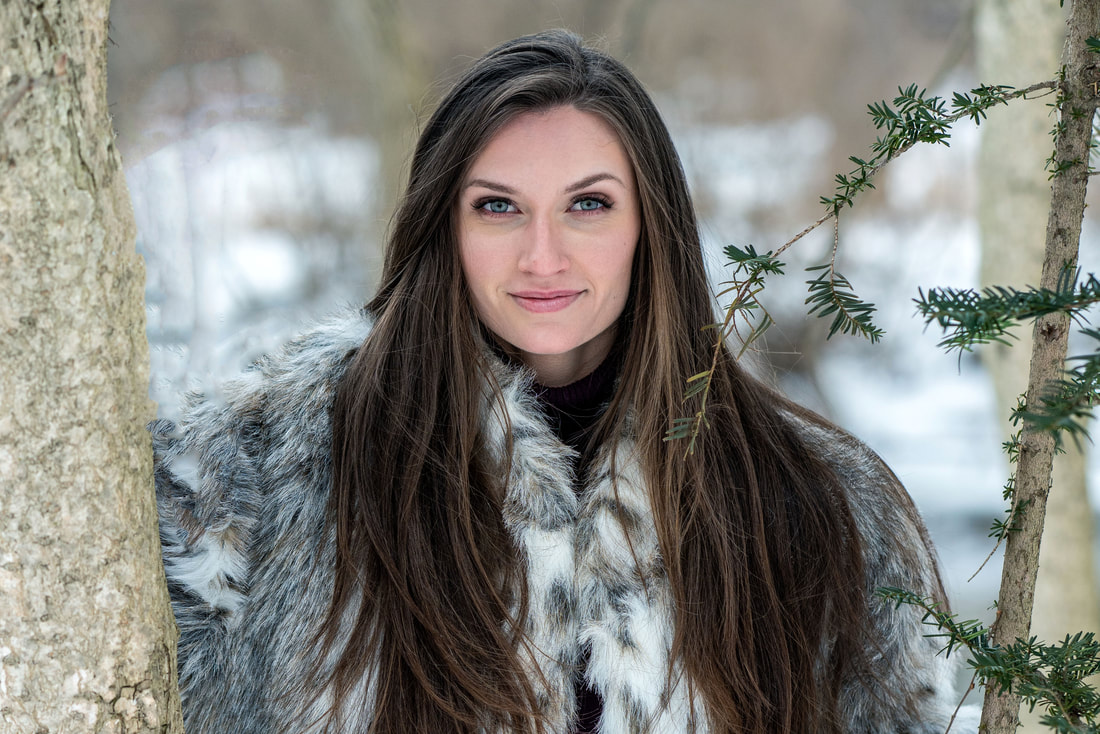
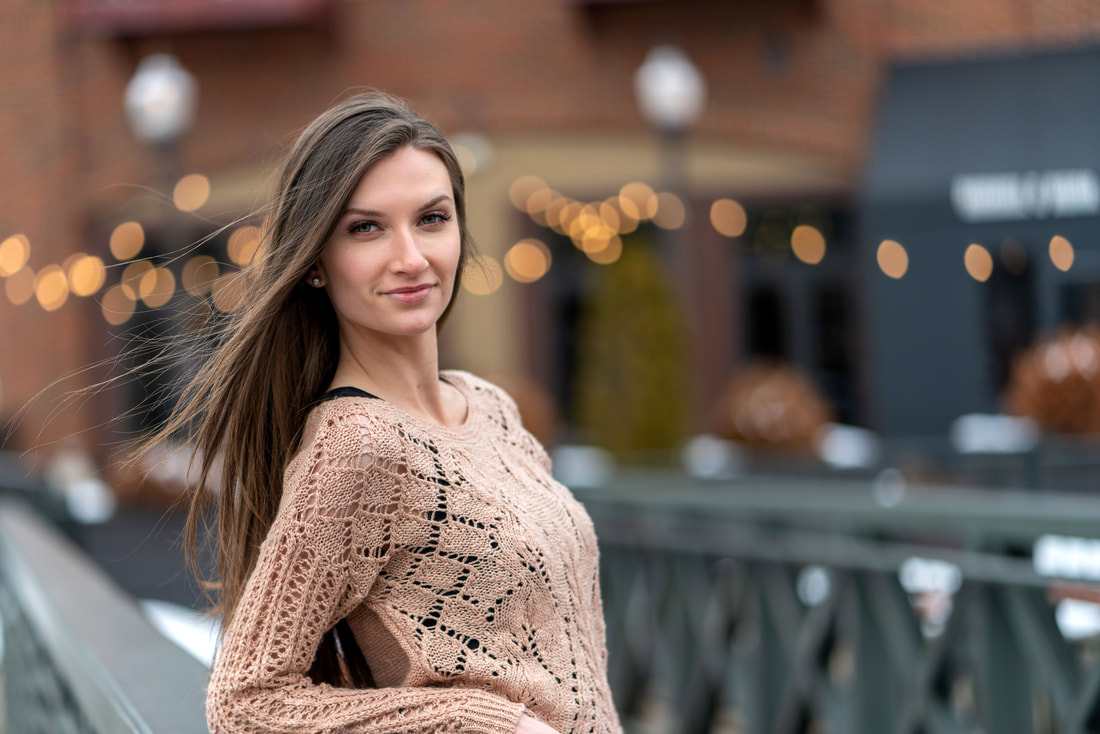
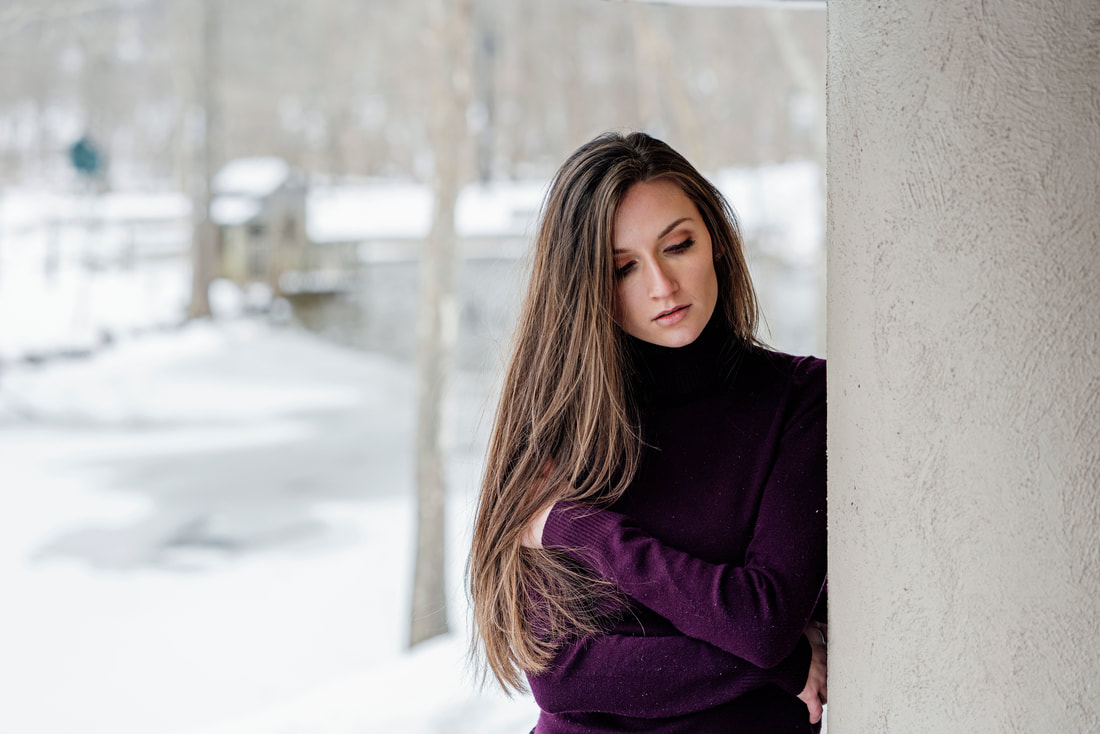
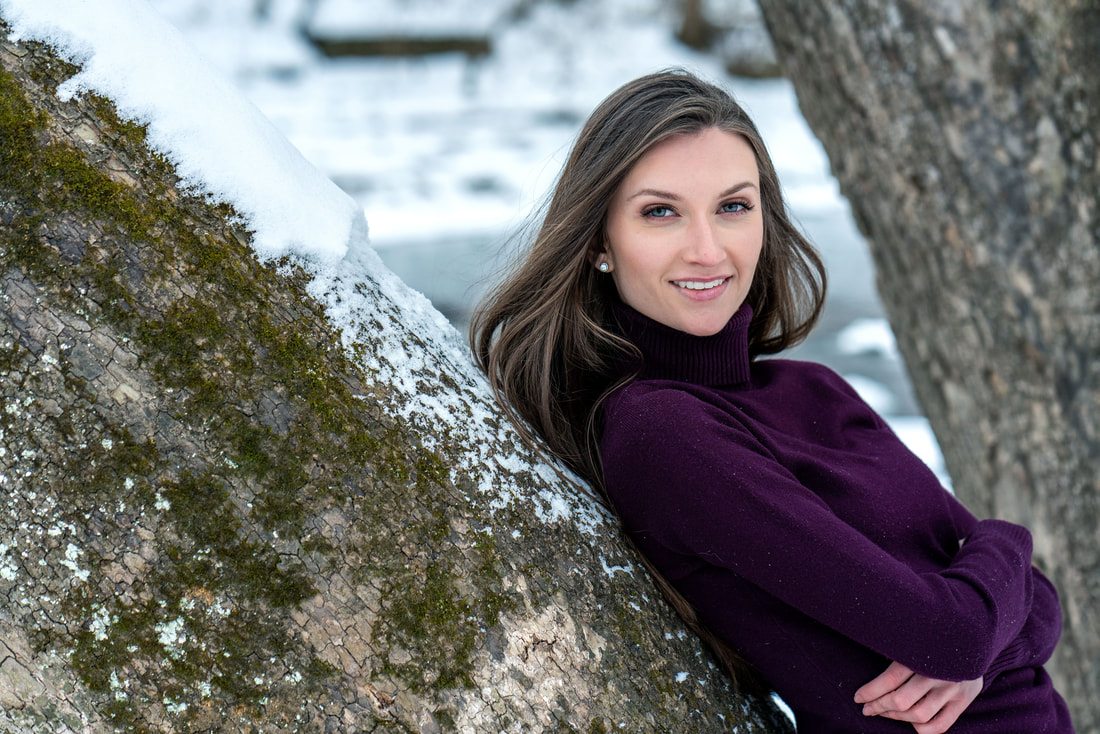
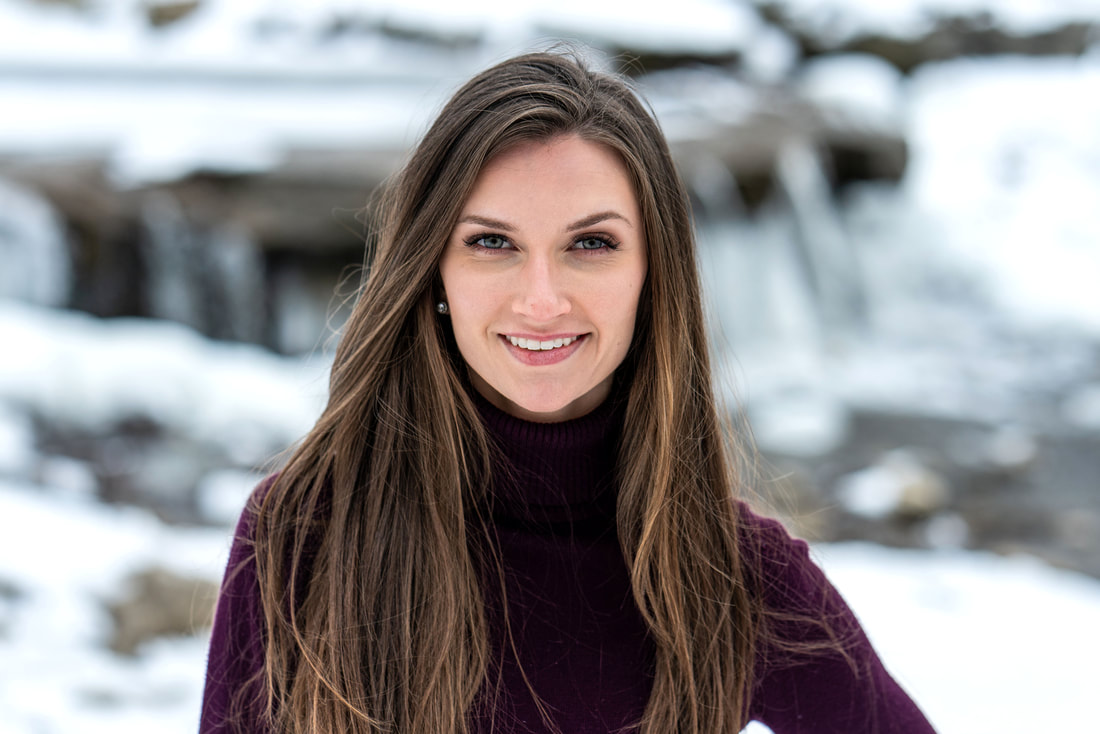
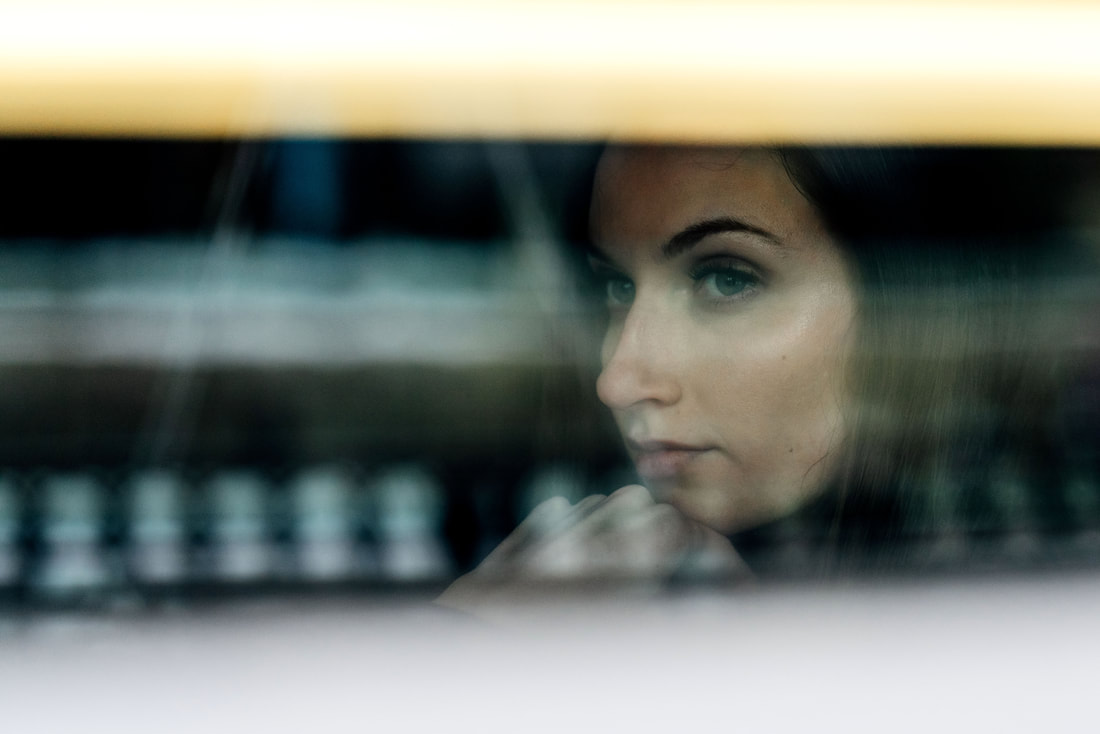
Madison and I partnered to help her build her modeling portfolio with some different looks. We shot our Winter Wonderland session on a cold winter day (26 degrees outside which felt like 10 degrees in the wind) in a super fun setting at Creekside in Gahanna, OH. I choose Creekside because it provides diverse background opportunities such as the wooded hiking area, urban street setting, bridges, waterfall, restaurants, AND it also had many locations for us to quickly step inside and warm up our bodies.
We started on the walk bridge because it gave us a fun picturesque location and the walk from the street to the bridge allowed us to talk and for me to discover more about Madison and her modeling journey. The wind picked at times during our session but we positioned her so that it turned into our own modeling wind machine! Make lemonade (or in this case lemon ice) from lemons right? From the walk bridge we then shot some in the fountain courtyard, on the hiking paths (on both sides of the river) and finished up inside a restaurant with some through the window shots. Madison started her modeling journey in January 2021 which is tough during the COVID pandemic. I believe our outdoor winter photo session provided her with some outstanding diverse looking shots to help her enhance her modeling portfolio. What do her images tell you about her Winter Wonderland session? "Unique, different, and industrial..." Senior Photography Session with Columbus Ohio Photographer6/28/2020
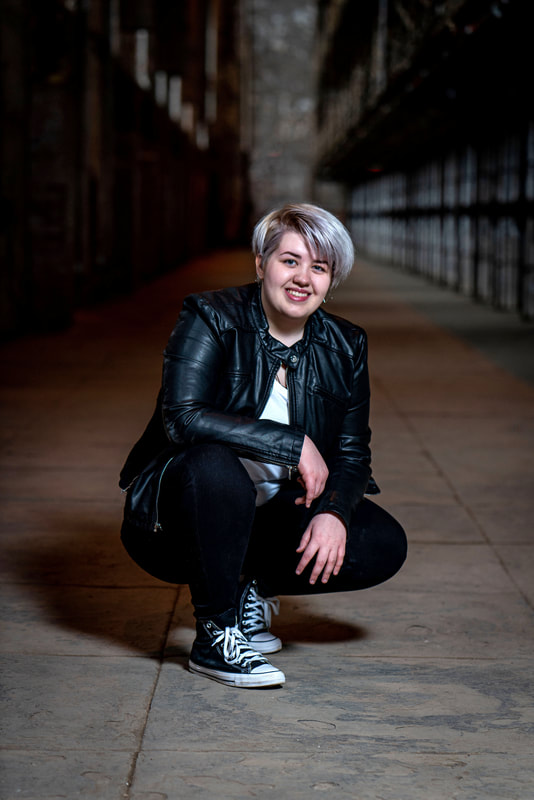
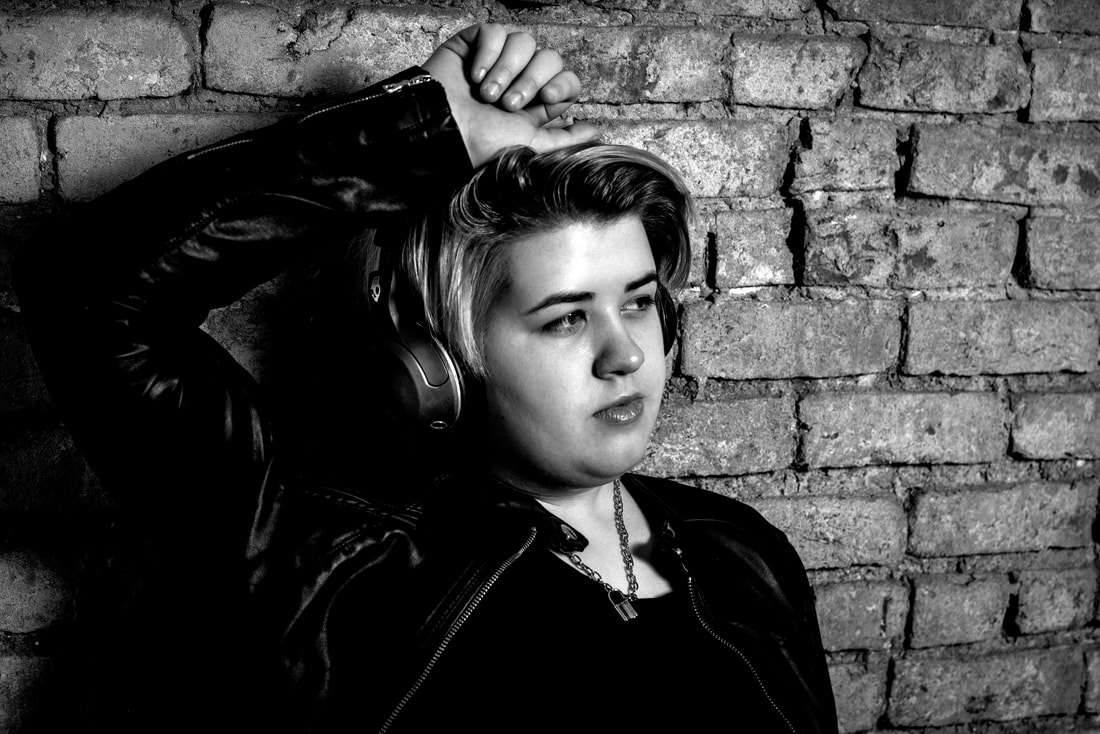
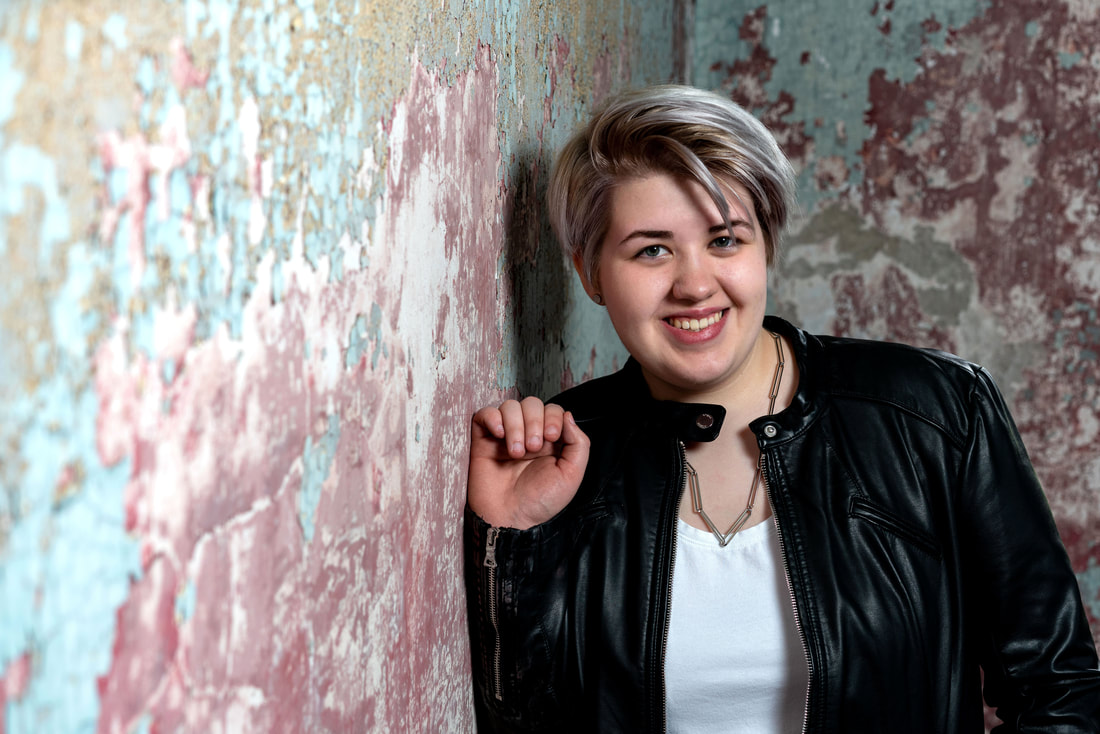
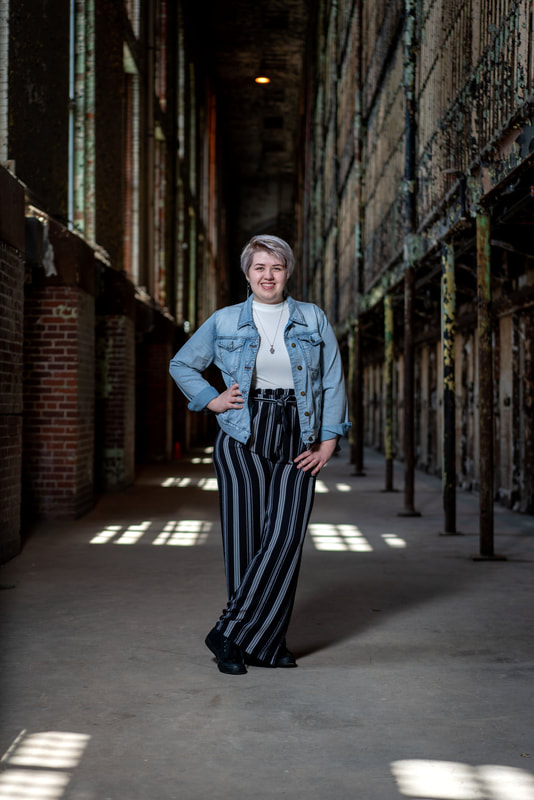
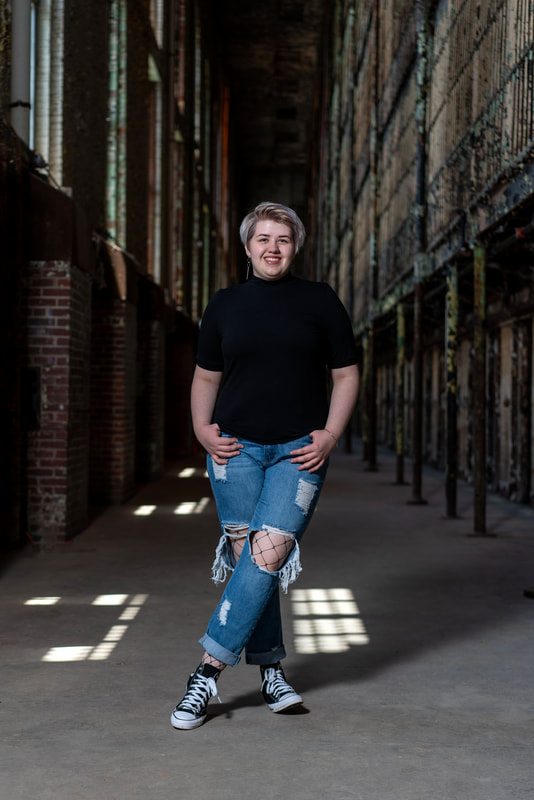
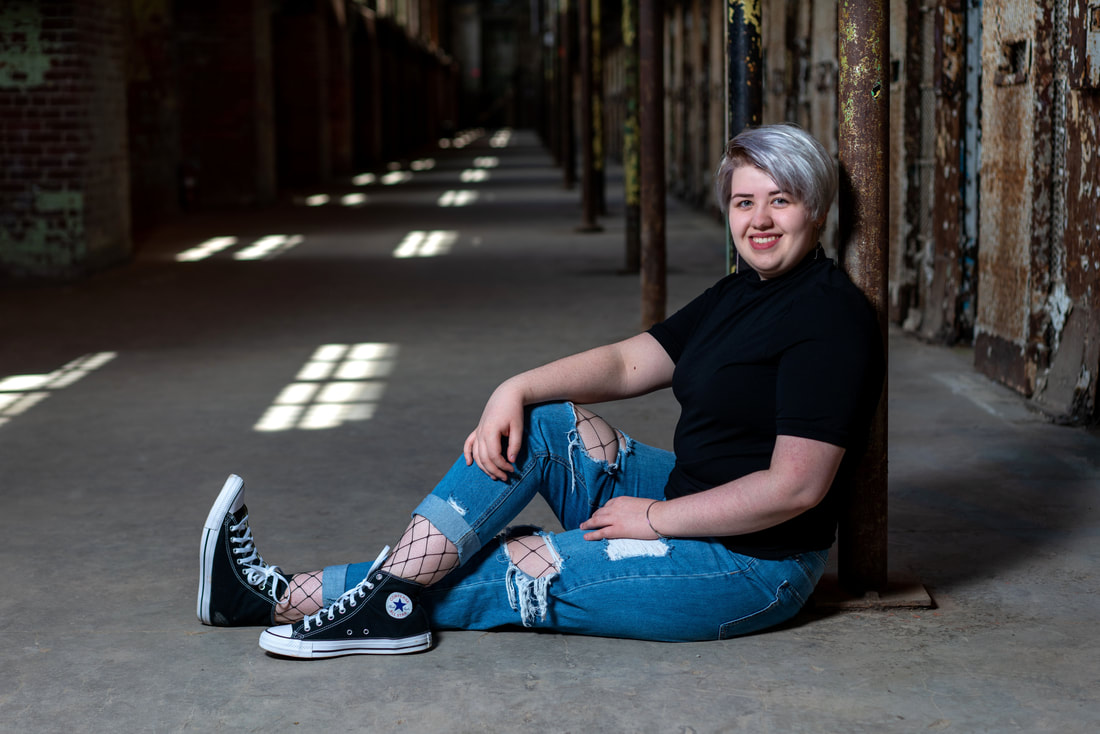
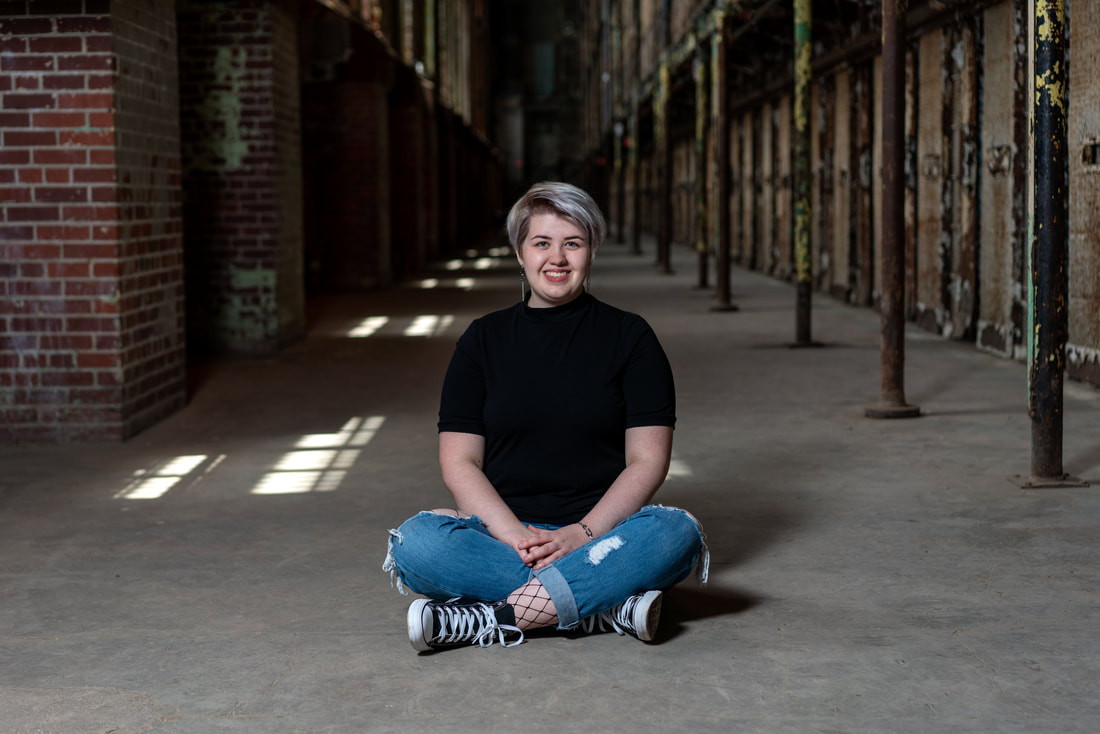
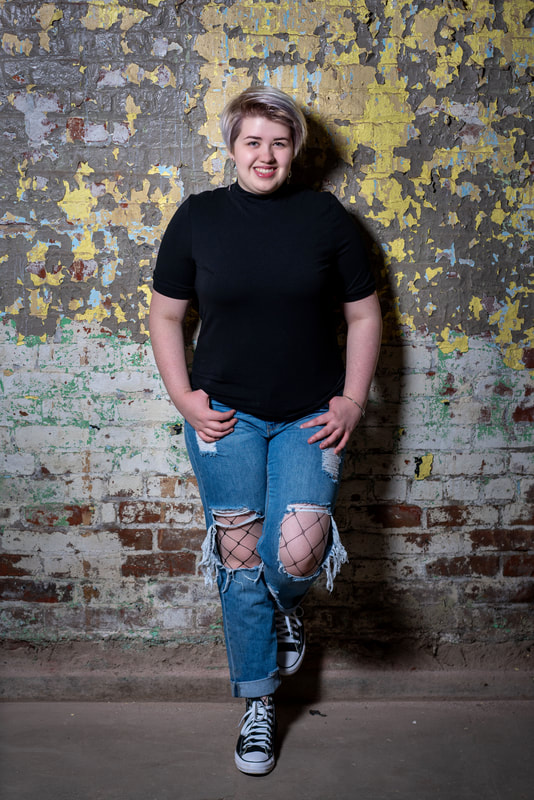
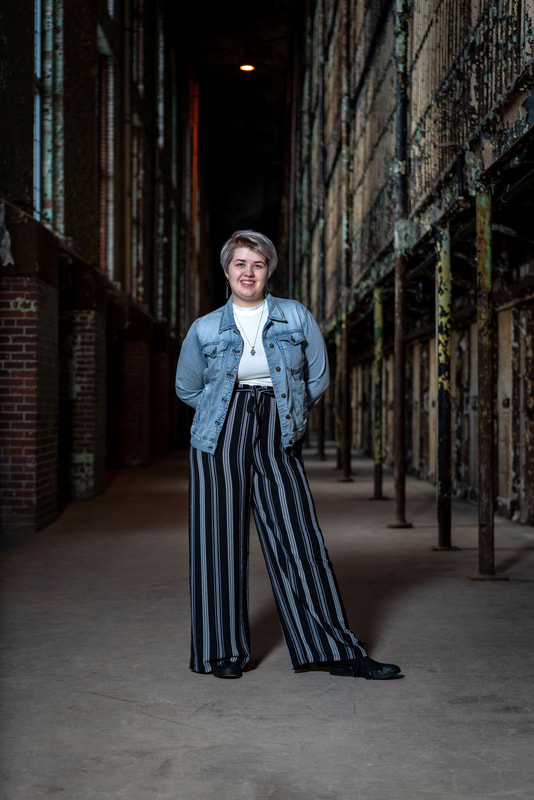
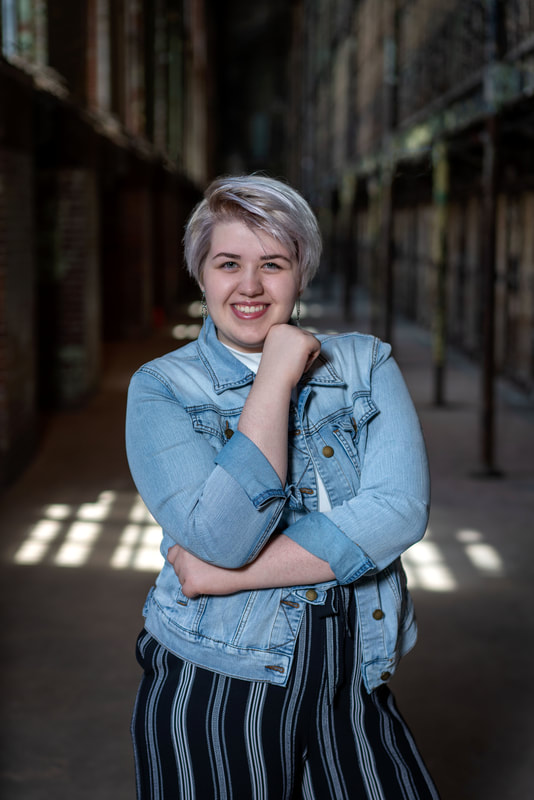
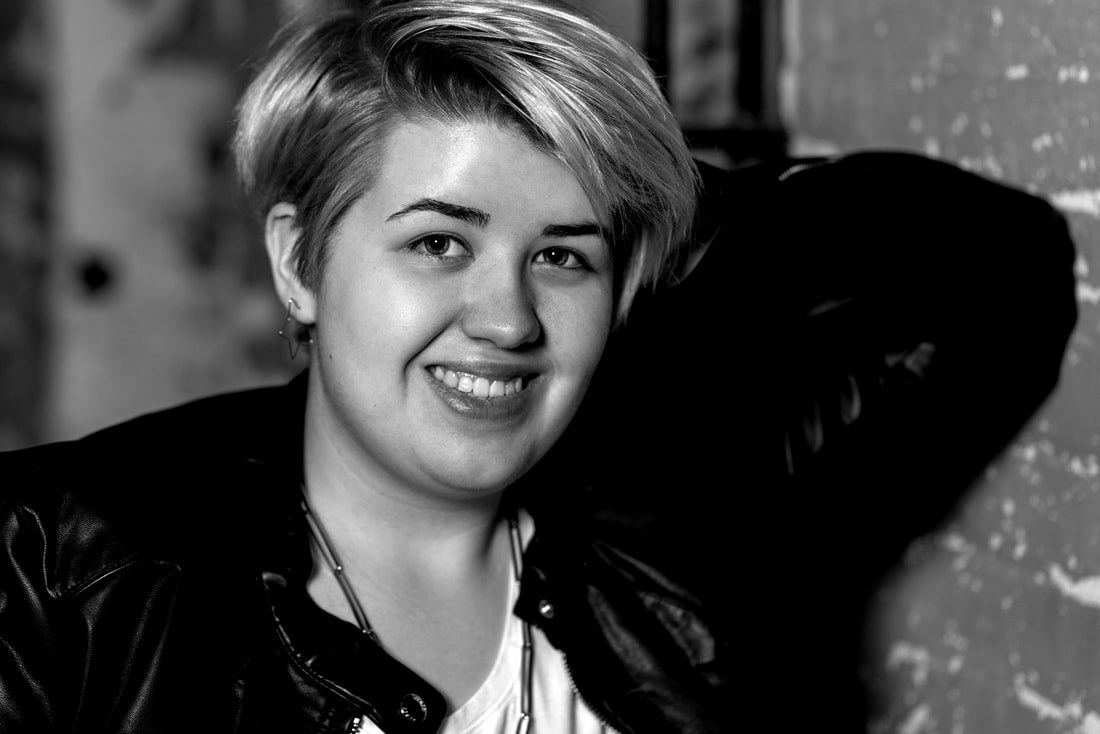
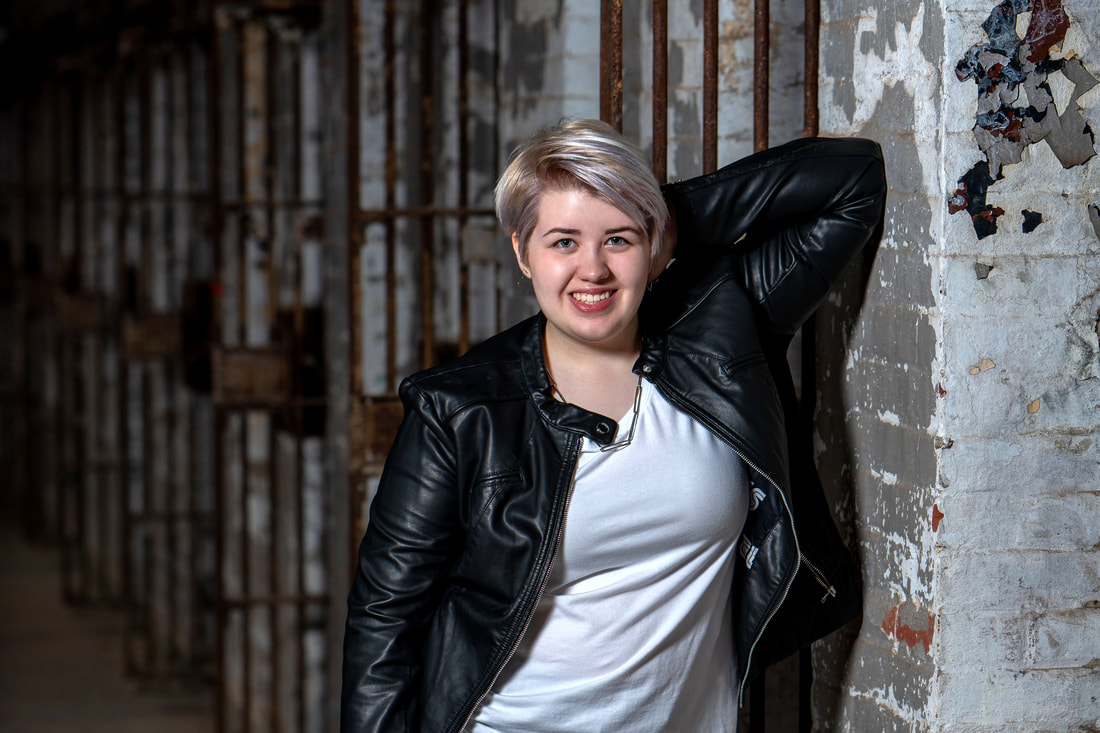
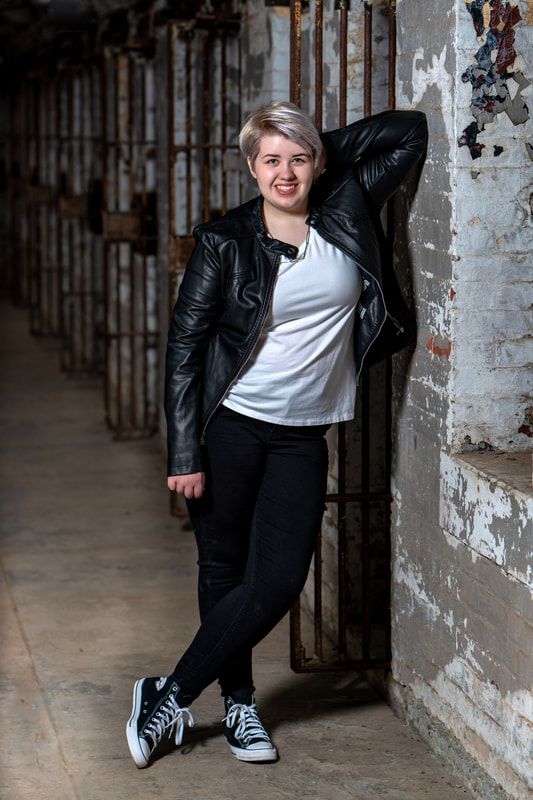
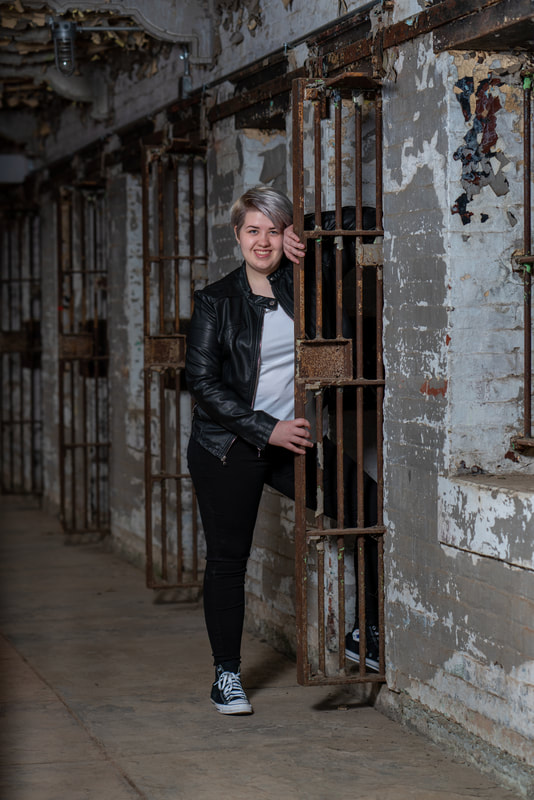
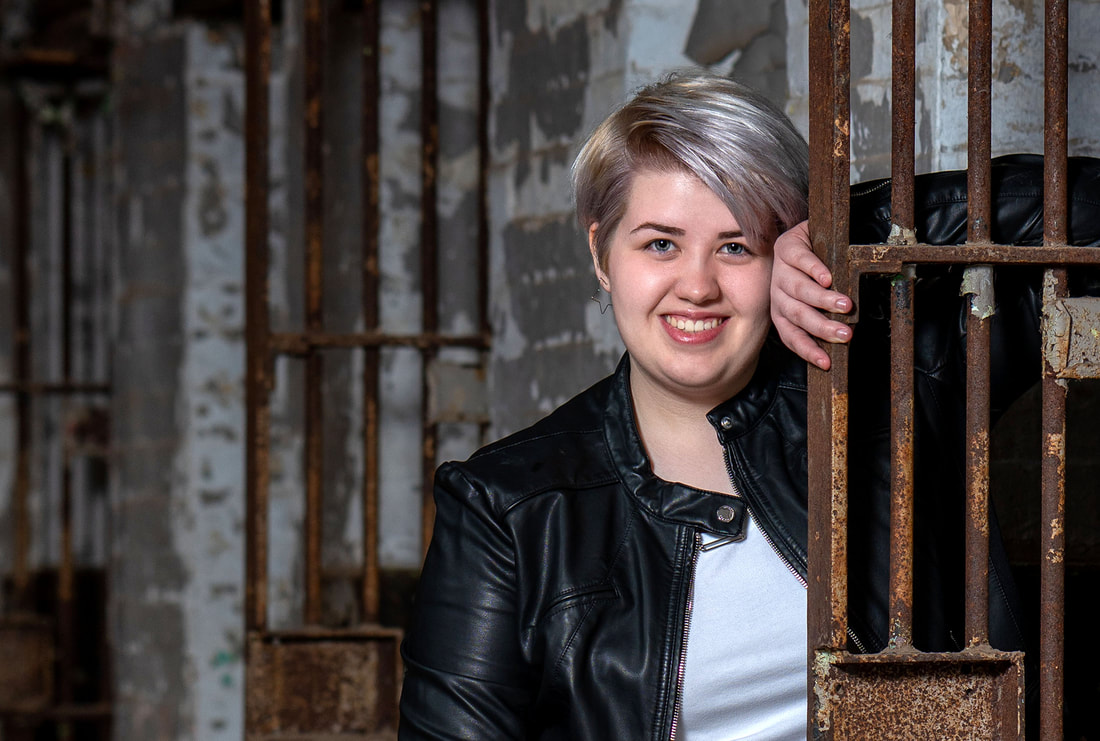
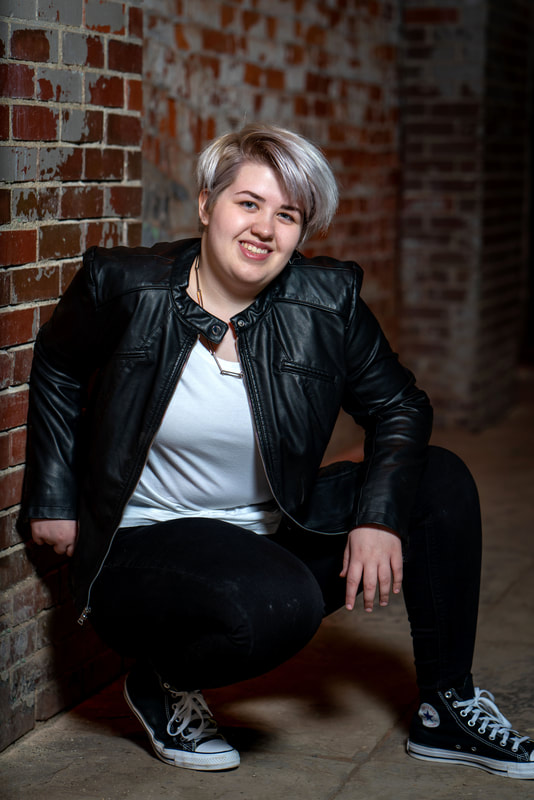
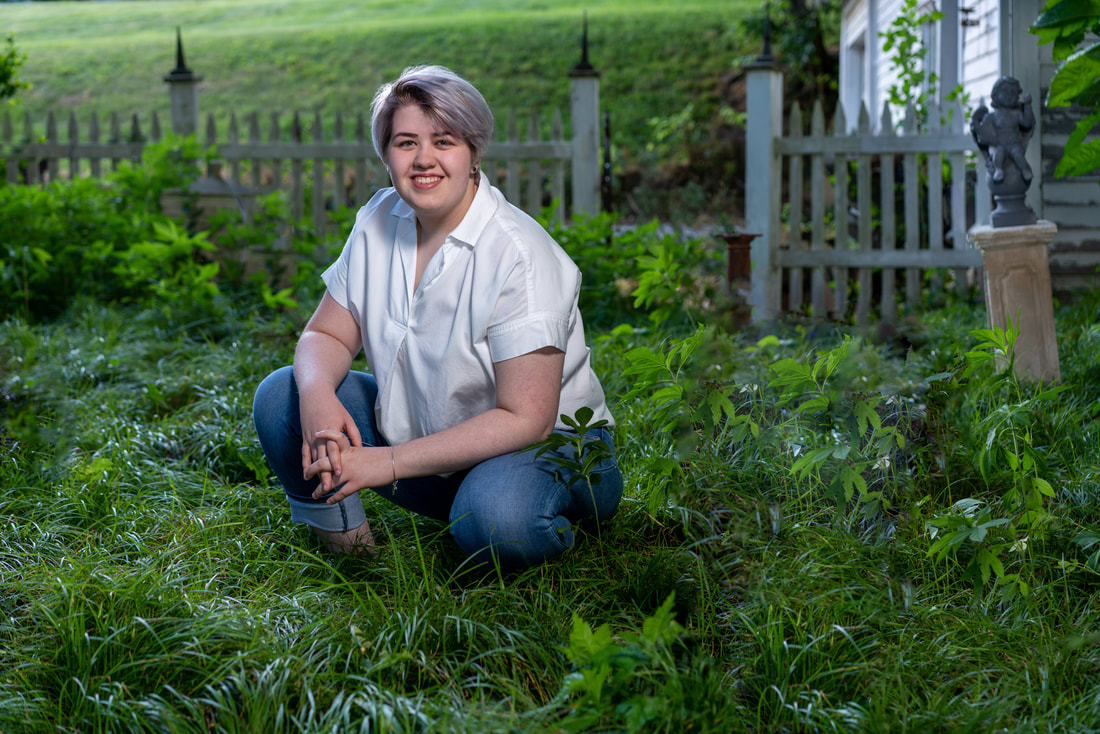
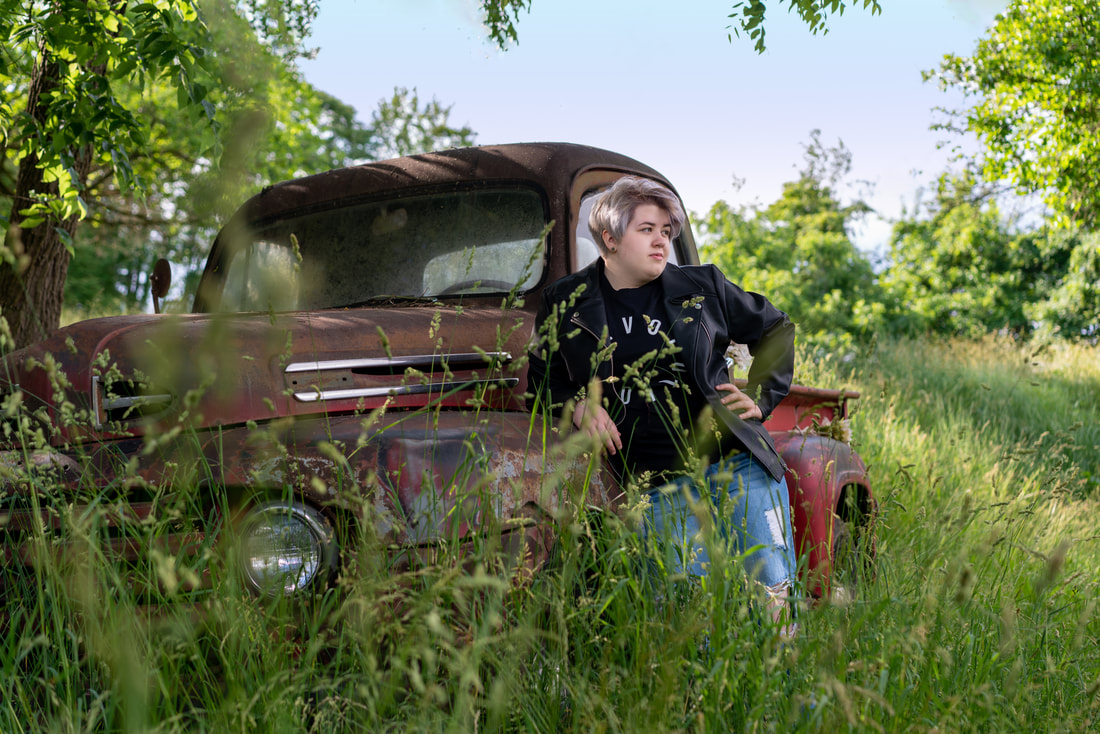
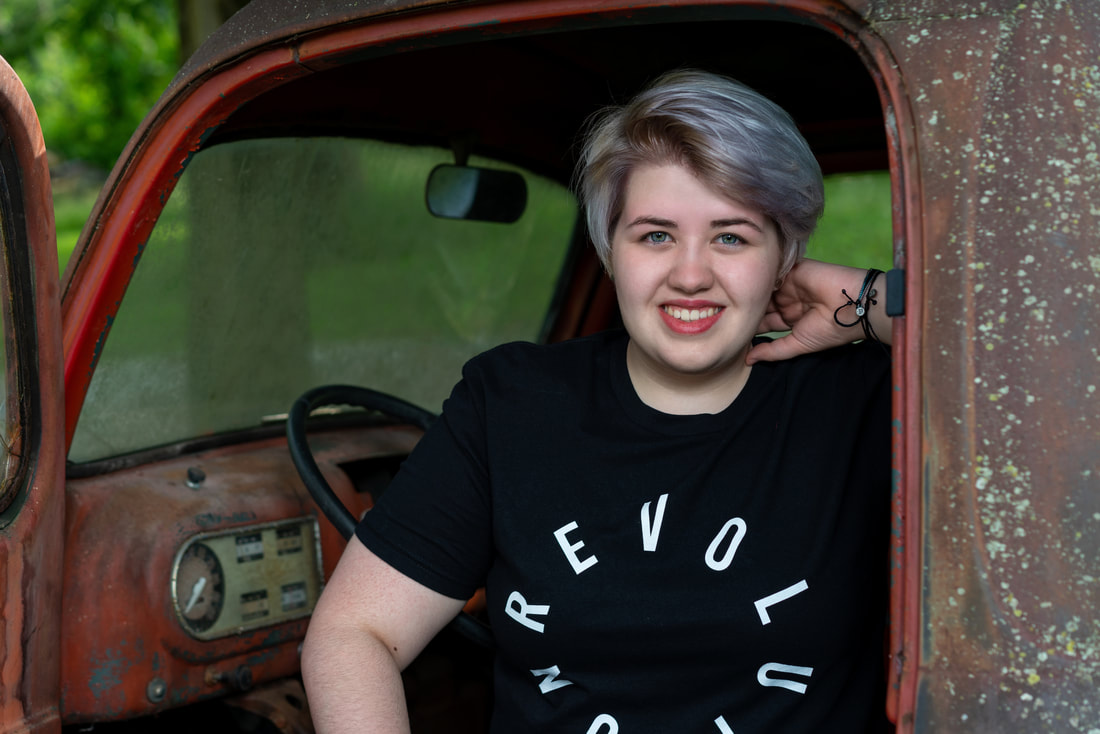
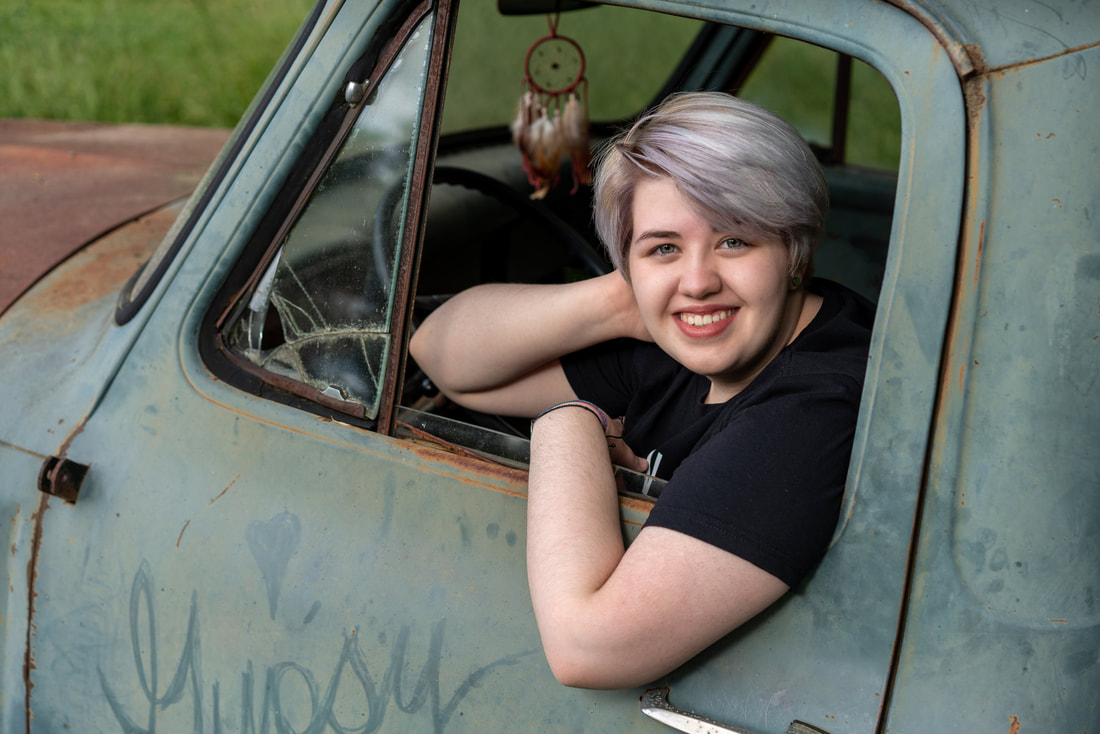
I’m speechless as I sit here and write this Flash Factor Photography Blog post! What a super fun and stunning senior photo session with Alayna! Yes, this is the right way to hold a senior photo session.
I think we totally nailed it with the location, styling, and posing! I love it when a plan comes together! I'd like to send out a huge "thank you" to Alayna for being so brave and working so hard during the shoot to generate such an amazing outcome! Yes, we can simply meet at the park and capture some great images of your son or daughter but truly these images speak for themselves! Who is going to be brave enough to sign up for their fun and unique Flash Factor Photography senior photo session? |
AuthorDavid Turner is the Owner and Lead Photographer of Flash Factor Wedding Photography which is based in Savannah, Georgia. He provides engagement and wedding photography services in Georgia, South Carolina, Florida, and beyond! Archives
April 2024
Categories |















 RSS Feed
All text and images copyright © Flash Factor Photography.
Experienced and Published Senior Portrait Photographer in Savannah, Georgia
David Turner is a seasoned senior portrait photographer that has been recognized internationally and published in many publications including Senior Year Magazine, Senior Inspire Magazine, SeniorMuse Magazine, Senior Style Guide, Dance SZN Magazine, Monochrome Magazine, and more for outstanding senior pictures. David will consult with you to create an unforgettable high school senior portrait session! Book your Senior Portrait Photography session today!
Personal Branding Headshot Photographer in Savannah, GA
David Turner is a seasoned personal branding and headshot photographer who has taken many thousands of headshots for business professionals. doctors, lawyers, sororities, fraternities, authors, dancers, models, professional athletes and more. Whether you want your personal branding headshots with a studio feel background or outside background reach out and book your headshot portrait photography session today!
Family Portrait Photographer in Savannah and Tybee Island Georgia and Hilton Head Island, SC Area
David Turner is an experienced family portrait photographer that relocated to Savannah, GA in 2023 from Ohio. Since arriving in Savannah, he has done family portrait photography in Savannah, GA, Hilton Head Island, SC, and all over the low country. Book your family portrait session today!
Branding Imagery for Artists, Bands and Musicians
David Turner partners with artists, bands and musicians to help them manage their image to match their unique personalities and sounds! Whether you want some new imagery for promotional fliers, social media content, or album/song cover art, David can deliver! Book your artist photography session today!